
Case Insight: Biosurgical Debridement in Diabetic Foot Ulcer Care
Understanding the role of MDT in selected chronic wound cases
Debridement is an important part of chronic wound management, including the treatment of diabetic foot ulcers. It involves the removal of non-viable tissue, slough, and foreign material from the wound bed in order to support wound healing and improve the condition of the wound.
Several debridement methods are available in wound care practice, including sharp or surgical debridement, mechanical debridement, autolytic debridement, enzymatic debridement, and biosurgical debridement.
Understanding Debridement in Chronic Wounds
In chronic wounds such as diabetic foot ulcers, the presence of non-viable tissue and slough may interfere with healing and make wound management more challenging. Effective debridement helps prepare the wound bed and supports a more favourable environment for healing.
The choice of debridement method depends on the wound condition, clinical goals, patient factors, and response to previous wound care approaches.

What Is Biosurgical Debridement?
Biosurgical debridement, also known as maggot debridement therapy (MDT), is a debridement method used in selected wound cases. It may be considered when other debridement methods have not achieved the desired wound bed progress or when further removal of non-viable tissue is needed.
As with other wound care approaches, its role should be considered within the broader context of structured wound management and clinical assessment.
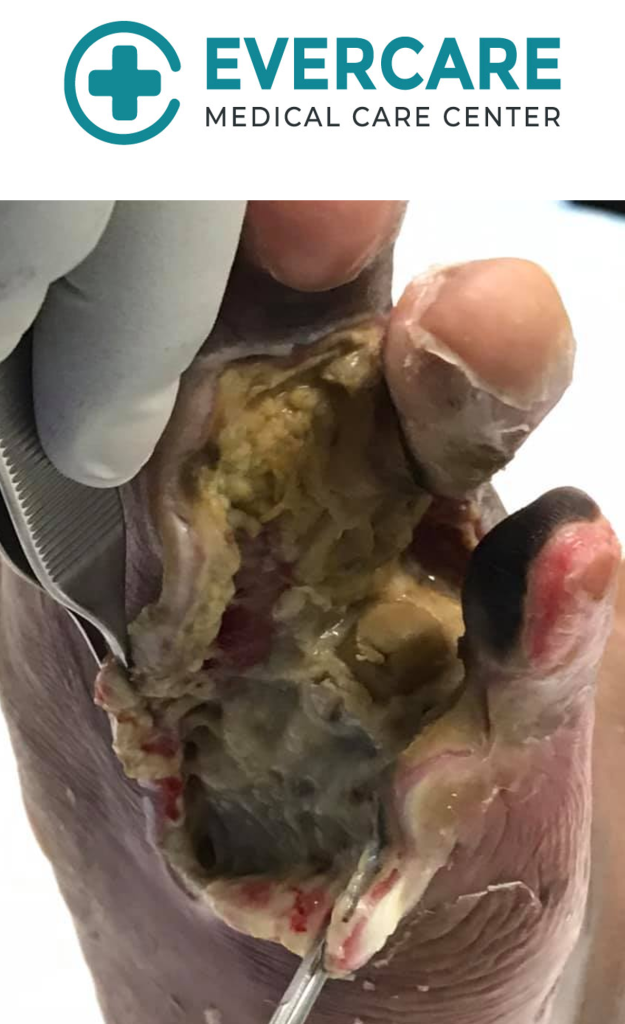
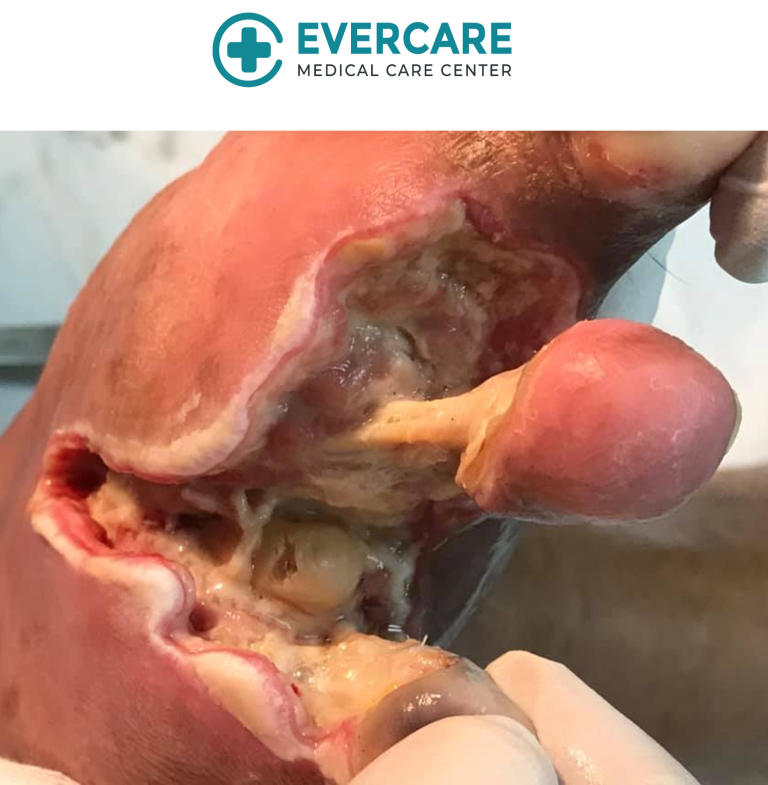
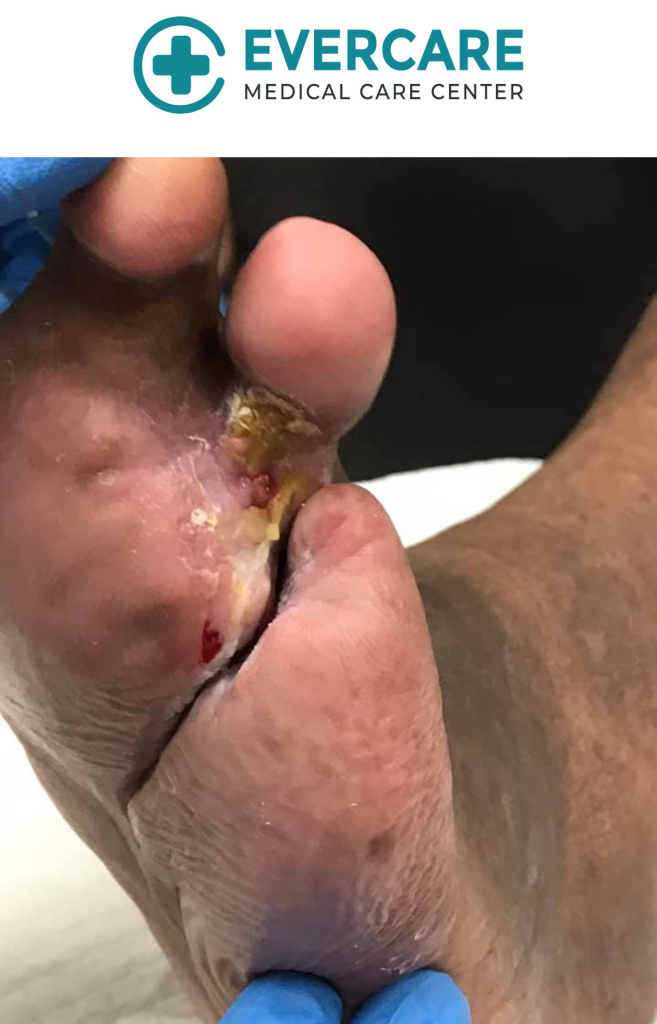
Clinical Focus of This Case
This clinical case focuses on the use of biosurgical debridement in the management of a diabetic foot ulcer that was not responding to other debridement methods.
The objective is to highlight the efficacy and efficiency of biosurgical debridement as part of wound care in selected diabetic foot ulcer cases where wound bed preparation remains a challenge.
Key Insights
Debridement remains an essential component of chronic wound care, including diabetic foot ulcer management. When wound progress is limited despite other debridement approaches, biosurgical debridement may be considered in selected cases as part of a structured wound care plan.
Appropriate wound bed preparation, ongoing monitoring, and selection of suitable debridement methods play a key role in supporting wound healing in chronic wounds.
– Dr Sreedharan Muniandy
Advanced Wound Care Centre
Evercare Medical Care Centre, Penang, Malaysia.
Disclaimer
This content is shared for educational purposes. Treatment suitability depends on wound condition, clinical assessment, and overall patient factors.