At Evercare Medical Care Centre, our Advanced Wound Care Centre focuses on the assessment and management of complex and non-healing wounds. Wound healing can be affected by factors such as diabetes, pressure, circulation problems, infection, and other underlying medical conditions. Early assessment and a structured treatment approach are important in supporting healing and reducing complications.
Our team provides wound care with close monitoring, regular follow-up, and attention to the underlying factors that may delay recovery.
Conditions We Manage
We provide care for a range of wound conditions, including:
Diabetic Foot Ulcers
Wounds affected by diabetes may require structured care, pressure offloading, and close monitoring, particularly when healing is delayed or infection risk is present.
These wounds are commonly associated with venous insufficiency, lower limb swelling, and delayed healing. Compression therapy may play an important role in suitable cases.
Pressure ulcers may develop in areas exposed to prolonged pressure, especially in patients with limited mobility. Pressure relief and timely wound care are important parts of management.
Traumatic wounds such as cuts, lacerations, abrasions, and puncture wounds may require proper assessment, wound care, and follow-up depending on the depth, location, and healing progress.
Some wounds remain slow to heal due to multiple contributing factors, including pressure, circulation issues, infection, or underlying medical conditions. These cases often require careful assessment and ongoing review.
Burn wounds, including thermal, chemical, or electrical burns, may require structured wound care and monitoring to support healing and reduce complications.
Wound care is not only about dressing changes (cuci luka). Effective management often requires a structured plan based on the type of wound, the patient’s overall condition, and the factors that may affect healing.
Our approach may include:
Wound assessment and regular review
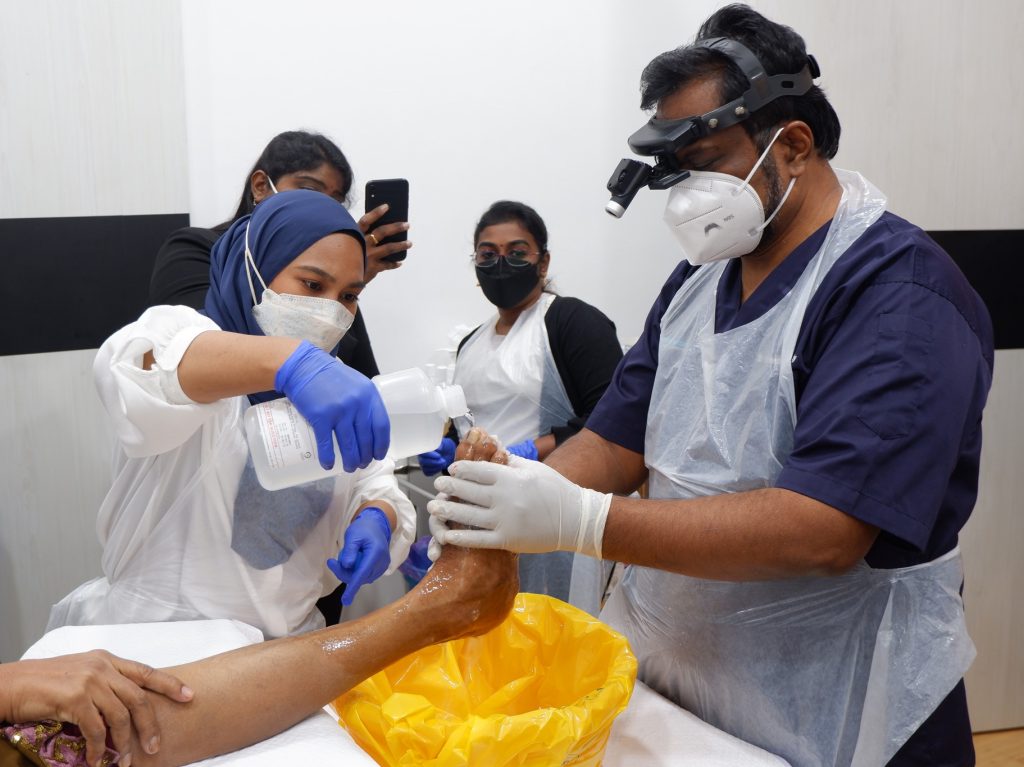
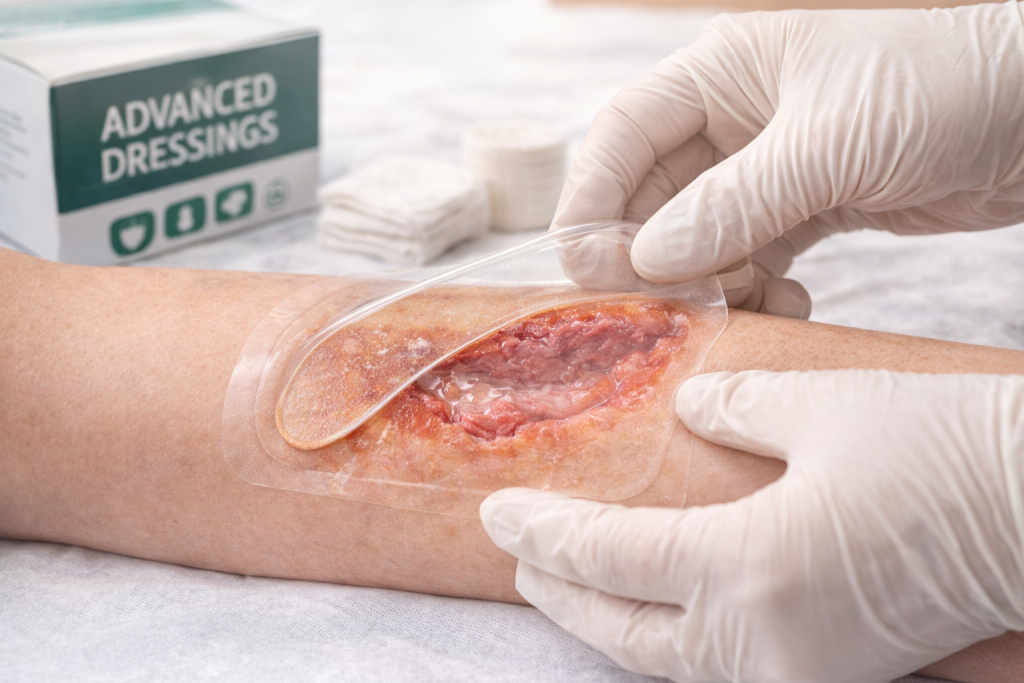
Appropriate wound cleansing and dressing
Pressure offloading where needed
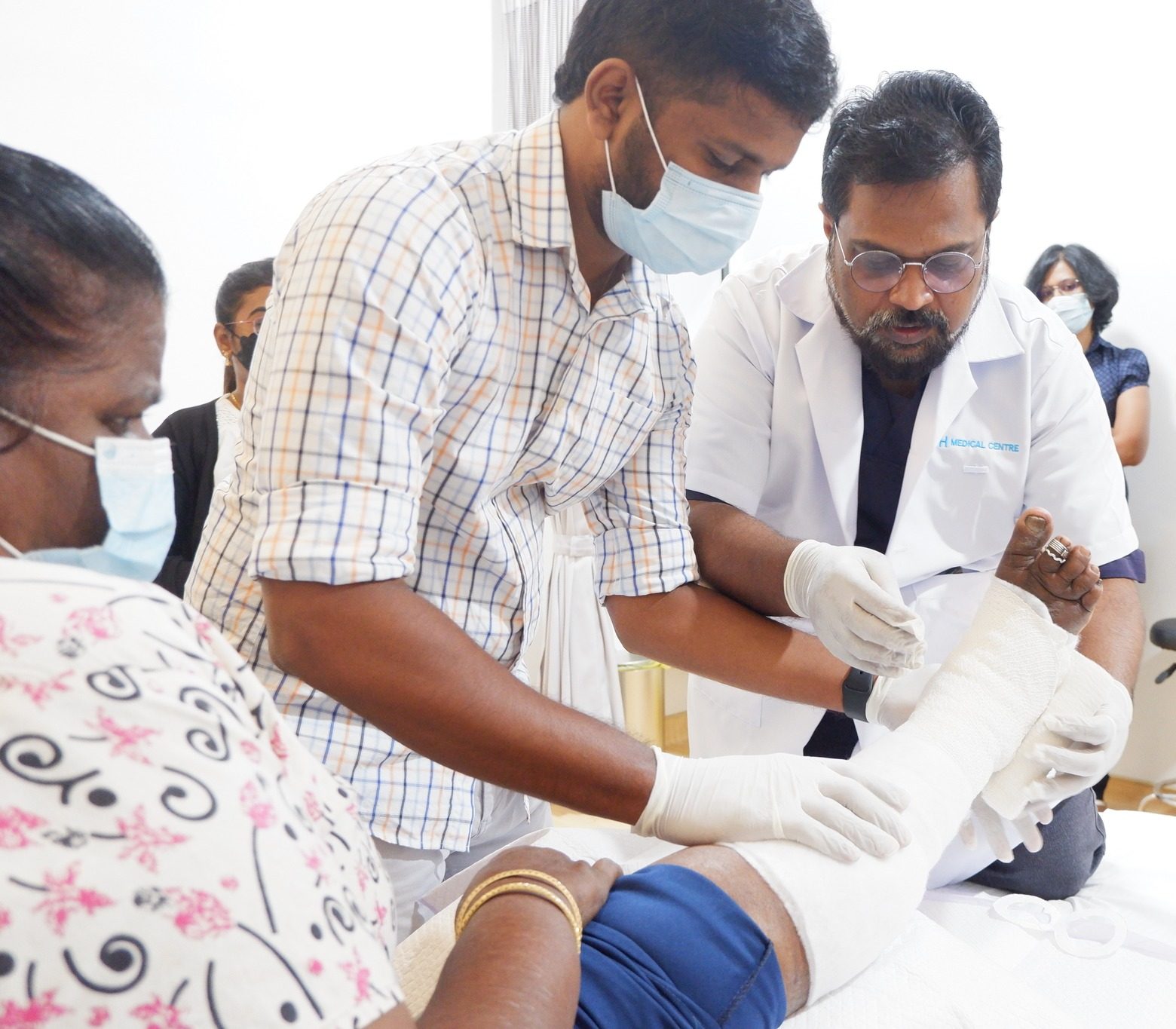
Compression therapy where appropriate
Monitoring for signs of infection or delayed healing
Monitoring for signs of infection or delayed healing
Ongoing follow-up and clinical reassessment
Patient and caregiver guidance on wound care support
Advanced Wound Care vS Conventional Wound Care
Not all wounds require the same level of management. Conventional wound care may be suitable for simpler wounds that respond well to routine dressing and follow-up. Advanced wound care is usually considered when wounds are complex, slow to heal, associated with underlying medical conditions, or require a more structured approach involving closer monitoring, pressure offloading, compression therapy, or ongoing reassessment.
This approach is particularly important in wounds affected by diabetes, poor circulation, prolonged pressure, or delayed healing.
Selected Wound Care Techniques and Approaches
Our wound care approach may include different techniques depending on the wound type, wound condition, underlying medical factors, and clinical assessment. Not every technique is suitable for every wound, and treatment decisions should always be individualised.
Moisture-Retentive Dressings
May be used in selected wounds to maintain a moist wound environment and support natural healing when clinically appropriate.
Antimicrobial Dressings
May be used in selected wounds to reduce microbial burden and support a cleaner healing environment when clinically appropriate.
Bioactive Dressings
May be used in selected wounds to support tissue repair and promote a better healing environment when clinically appropriate.
Negative Pressure Wound Therapy (NPWT)
May be used in selected wounds to remove excess fluid and support wound bed healing when clinically appropriate.
Alginate Dressings
May be used in selected wounds with heavier exudate to manage drainage and maintain moisture balance when clinically appropriate.
Hydrofiber Dressings
May be used in selected wounds to absorb excess exudate and maintain moisture balance when clinically appropriate.
Enzymatic Debridement Dressings
May be used in selected wounds to remove non-viable tissue and support wound bed healing when clinically appropriate.
Silicone Dressings
May be used in selected wounds to protect fragile skin and reduce dressing-related trauma when clinically appropriate.
Odour-Control Dressings
May be used in selected wounds to manage malodour and improve patient comfort when clinically appropriate.
Interactive Wound Dressings
May be used in selected wounds to support wound monitoring and more targeted wound care when clinically appropriate.
Topical Tissue Oxygen Therapy
May be used in selected wounds to support oxygen delivery and promote a better healing environment when clinically appropriate.
Compression Bandaging
May be used in selected venous ulcers to reduce swelling and support a better healing environment when clinically appropriate.
Maggot Debridement Therapy
May be used in selected chronic wounds to remove non-viable tissue while preserving healthy tissue when clinically appropriate.
Why Early Assessment Matters
Some wounds may appear small at first but can become more difficult to manage if treatment is delayed. This is especially important in patients with diabetes, reduced circulation, prolonged pressure, or other chronic medical conditions.
Early and appropriate wound care plays a key role in supporting healing, reducing complications, and guiding timely intervention when needed.
Clinical Insight
Our Clinical Insight articles share educational, case-based perspectives on wound care and healing progression across different wound conditions and management approaches.
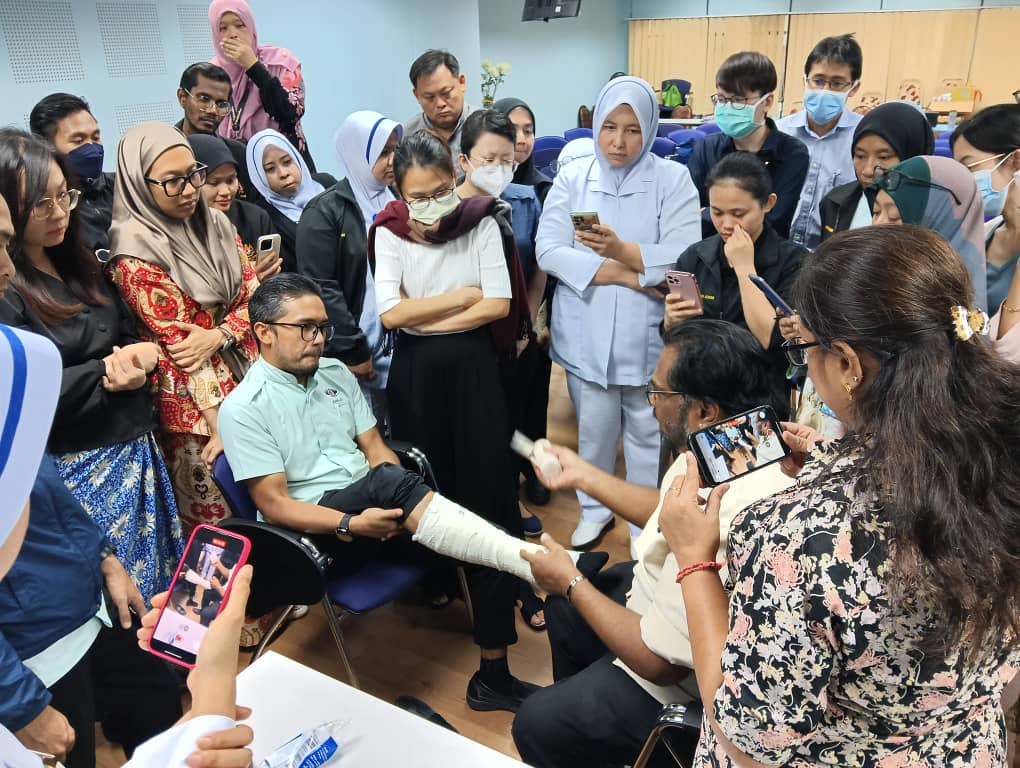
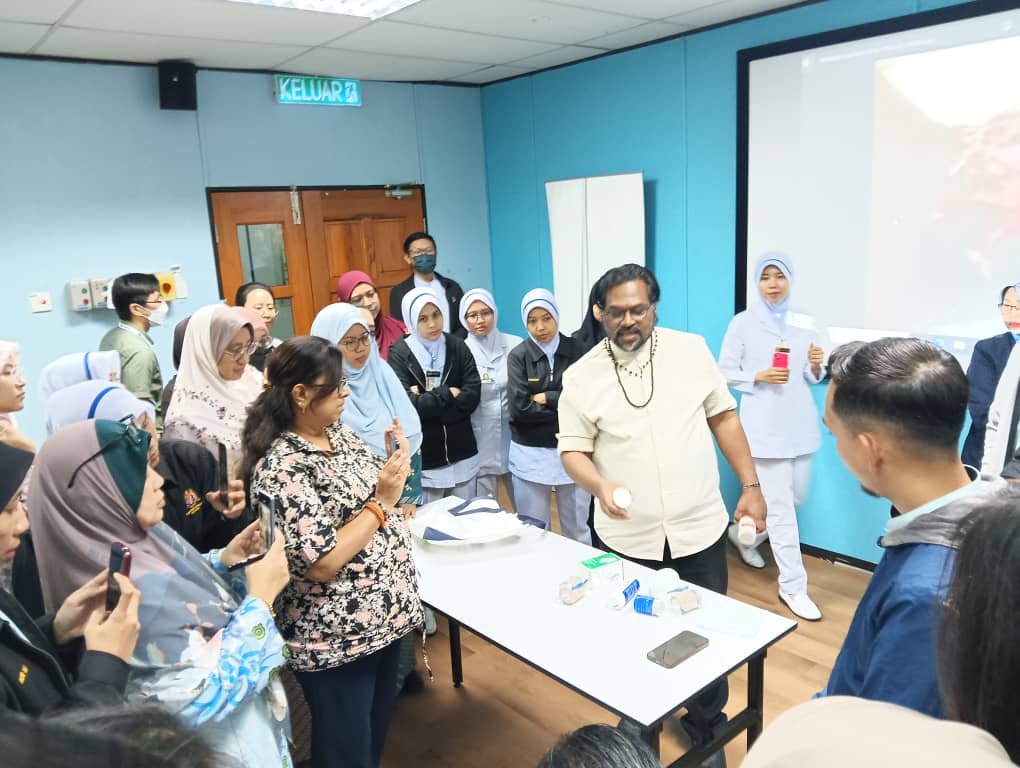
Our wound care services are led by Dr Sreedharan Muniandy. Alongside clinical practice, he has also been involved in teaching, case-based sharing, and professional learning sessions in wound management. Our centre has also welcomed educational visits from doctors and healthcare organisations interested in observing structured wound care approaches.
This ongoing involvement in clinical education and professional exchange reflects our commitment to maintaining a thoughtful, structured, and patient-centred approach to wound care.
Clinical Leadership and Professional Sharing
Our wound care services are led by Dr Sreedharan Muniandy. Alongside clinical practice, he has also been involved in teaching, case-based sharing, and professional learning sessions in wound management. Our centre has also welcomed educational visits from doctors and healthcare organisations interested in observing structured wound care approaches. This ongoing involvement in clinical education and professional exchange reflects our commitment to maintaining a thoughtful, structured, and patient-centred approach to wound care.
Clinical Insight
Our Clinical Insight articles share educational, case-based perspectives on wound care and healing progression across different wound conditions and management approaches.
Occurs in a patient with diabetes or poor circulation
Shows increasing redness, swelling, or discharge
Early attention can make a meaningful difference in wound care.
Book an Assessment
If you are looking for structured wound care, regular monitoring, and support for chronic or complex wounds, our team is available to assist with assessment and ongoing management.