
Case Insight: Chronic Lower Limb Wound in a Long-Standing Case
Understanding The Importance Of Structured Wound Care In Delayed Healing
We would like to share a clinical case (published with patient consent) involving one of our patients, an 81-year-old individual with underlying diabetes mellitus and hypertension, who presented with a chronic wound over the left lower limb that had persisted for more than five years.
Long-standing wounds can be particularly difficult to manage, especially when healing is affected by chronic medical conditions and prolonged wound duration.
Understanding Long-Standing Chronic Wounds
Chronic wounds that remain unhealed for years often require more than routine dressing alone. Delayed healing may be influenced by multiple factors, including diabetes, circulation-related issues, repeated tissue stress, and the overall condition of the wound bed.
In such cases, proper assessment and structured wound management are important in supporting recovery and reducing the risk of further complications.
Treatment Approach
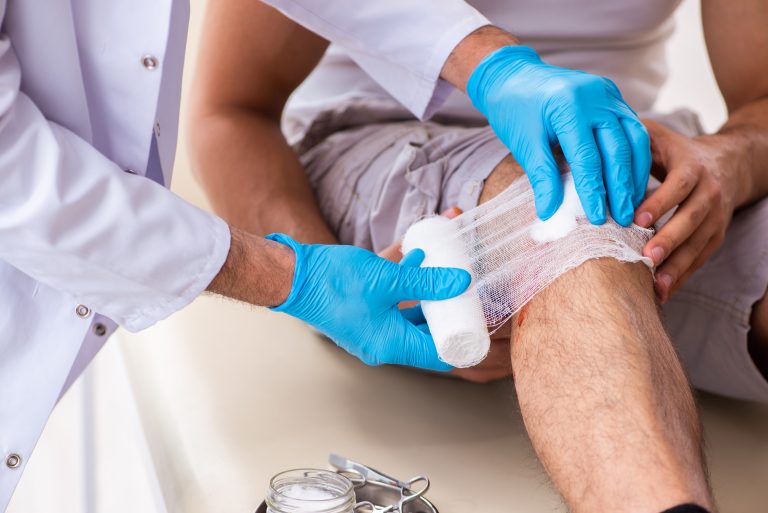
Management of long-standing wounds requires a coordinated and structured care plan under clinical supervision.
This typically includes:
- appropriate wound assessment and regular review
- wound cleansing and dressing based on wound condition
- monitoring of healing progression
- attention to underlying factors that may delay recovery
- ongoing follow-up and reassessment over time
In this case, the patient was referred for further wound care management, and a structured approach was implemented as part of ongoing treatment.
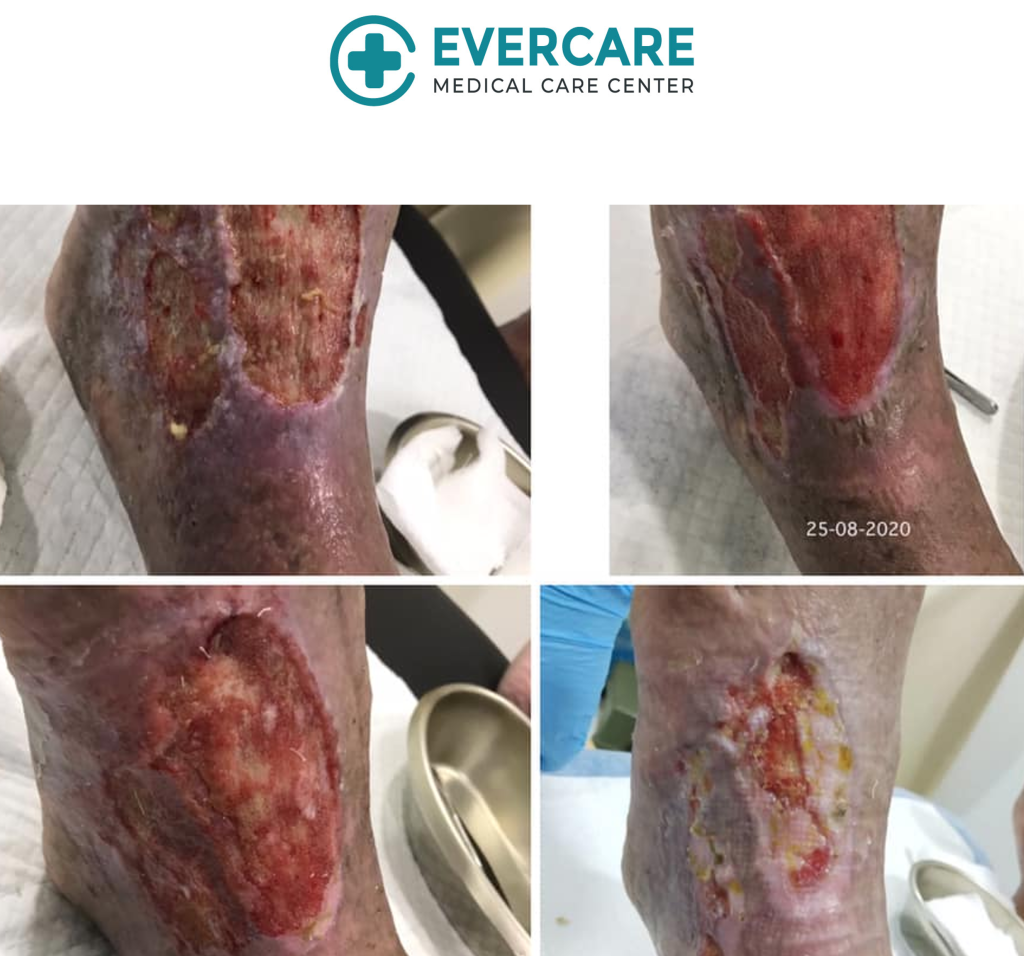
Healing Progress
Following initiation of care, gradual improvement in the wound condition was observed over time. Wound healing progressed within approximately six weeks, reflecting the importance of structured wound care and close monitoring in long-standing cases.
This case highlights how chronic wounds may respond more favourably when managed within a proper wound care framework supported by clinical oversight.
Key Insights
Long-standing wounds require more than repeated dressing alone. Proper wound assessment, structured management, and ongoing monitoring play a key role in supporting healing and reducing the risk of avoidable complications.
With appropriate wound care planning and clinical supervision, chronic wounds may be managed more effectively, with the aim of supporting healing and preserving limb function whenever possible.
– Dr Sreedharan Muniandy
Advanced Wound Care Centre
Evercare Medical Care Centre, Penang, Malaysia.
Disclaimer
This content is shared for educational purposes. Individual outcomes may vary depending on overall health, wound condition, and adherence to treatment recommendations.