Case Insight: Venous Insufficiency Ulcers and Their Management
Understanding chronic venous ulcers and the importance of structured care
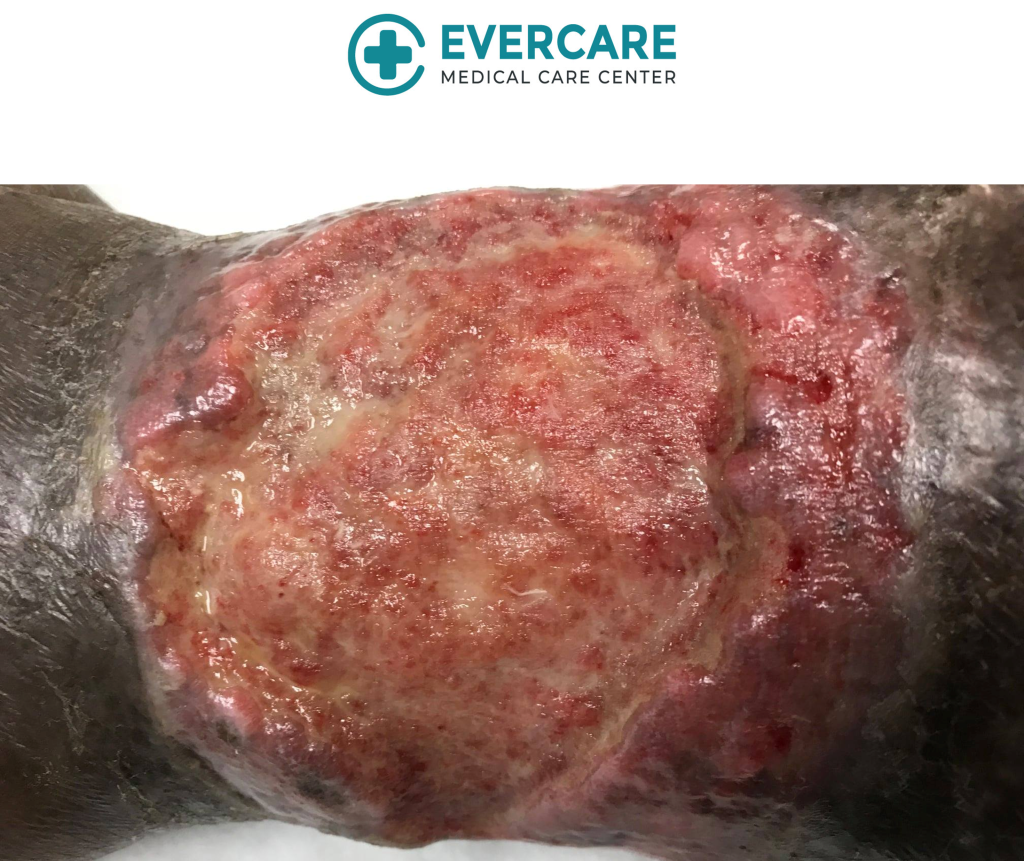
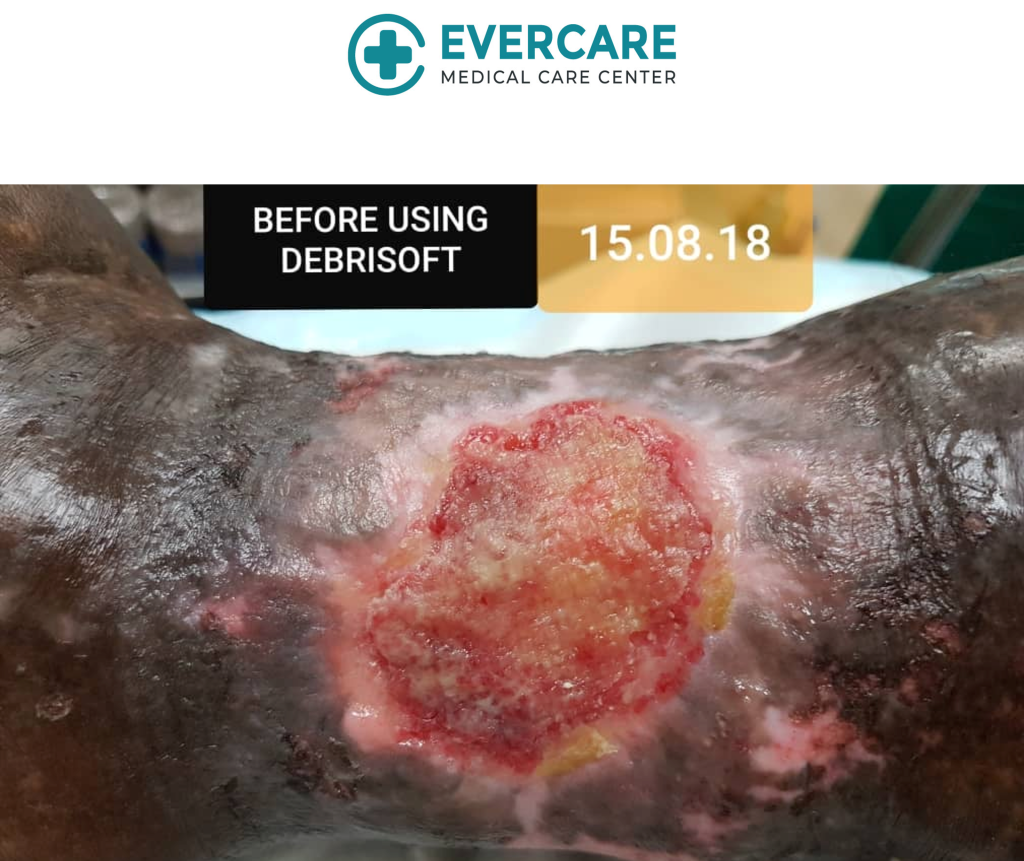
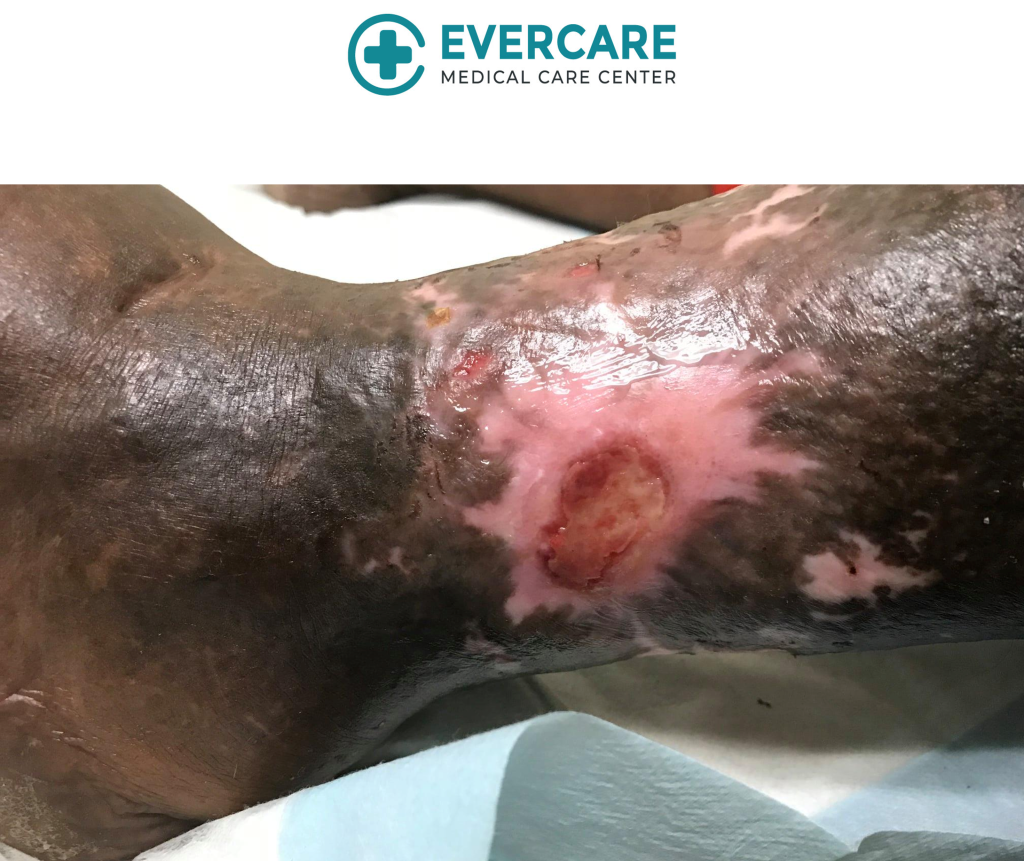
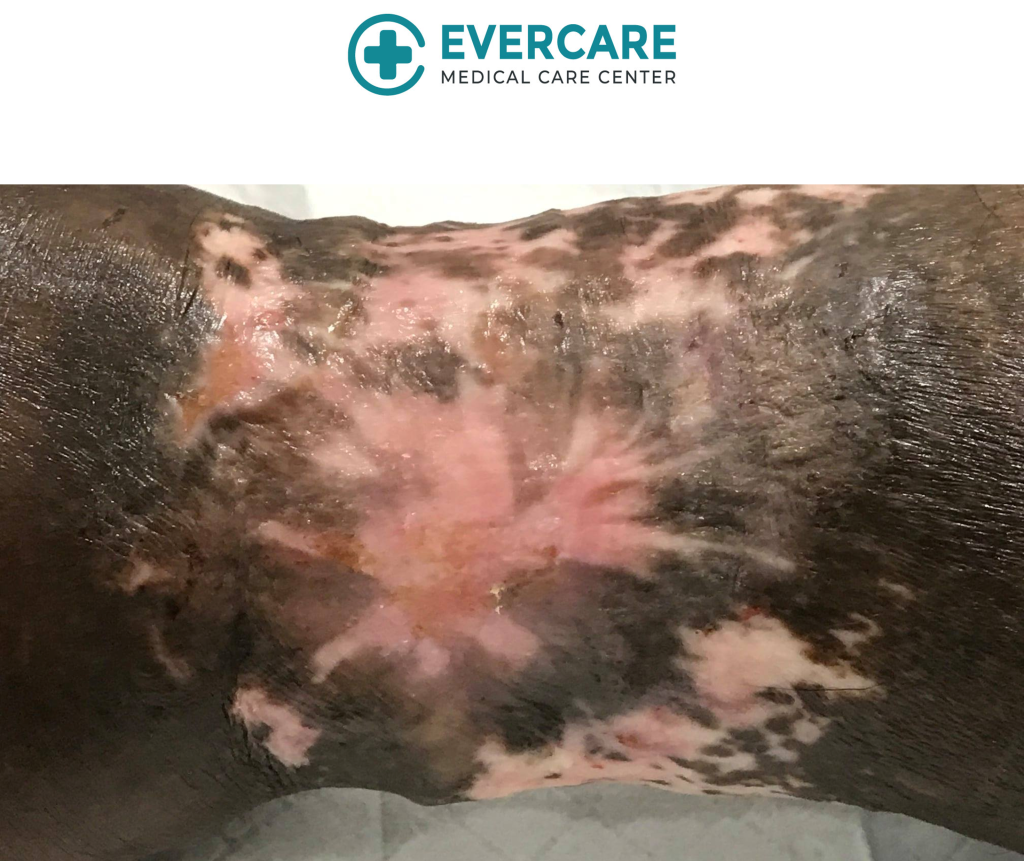
Venous insufficiency ulcers, also known as stasis ulcers or varicose ulcers, are chronic wounds that develop when the veins in the lower limbs do not return blood effectively to the heart. When the venous valves are not functioning properly, pressure builds up in the veins and may eventually lead to skin damage and ulcer formation.
These ulcers commonly occur over the medial or lateral distal lower limb, especially around the ankle and lower leg region.
Understanding Venous Insufficiency Ulcers
Venous ulcers are often associated with chronic venous insufficiency and may become recurrent if the underlying venous problem is not addressed.
Several factors may increase the risk of developing venous ulcers, including:
- older age
- obesity
- previous leg injuries
- deep vein thrombosis
- phlebitis
These wounds may persist for weeks, months, or even years, especially when healing is delayed or when recurrence occurs over time.
Clinical Presentation
Venous insufficiency may present with symptoms such as:
- dull aching pain
- swelling of the lower limbs
- heaviness or discomfort in the legs
- eczematous changes of the surrounding skin
- visible varicose veins
On examination, venous ulcers are often:
- shallow
- irregular in shape
- located over the lower leg, especially near the ankle region
Other associated findings may include:
- venous dermatitis
- hyperpigmentation
- haemoglobin deposition
- lipodermatosclerosis, which refers to thickening and fibrosis of tissue beneath the skin
These skin changes often reflect long-standing venous disease.
Management Approach
Management of venous ulcers requires attention to both the wound itself and the underlying venous insufficiency.
Treatment options may include:
- conservative wound care
- compression therapy where appropriate
- mechanical treatment
- medication
- surgical intervention in selected cases
A structured wound care plan, regular monitoring, and management of the underlying cause are important in supporting healing and reducing recurrence.
Prevention
Several measures may help reduce the risk of developing venous leg ulcers, especially in individuals at higher risk. These may include:
- wearing compression stockings where appropriate
- maintaining a healthy weight
- exercising regularly
- elevating the lower limbs when possible avoiding smoking
Key Insights
Venous insufficiency ulcers are chronic wounds linked to poor venous circulation and increased venous pressure in the lower limbs.
Early recognition, proper wound care, and appropriate management of the underlying venous condition play a key role in supporting healing and reducing recurrence.
– Dr Sreedharan Muniandy
Advanced Wound Care Centre
Evercare Medical Care Centre, Penang, Malaysia.
Disclaimer
This content is shared for educational purposes. Individual care and treatment suitability depend on clinical assessment and overall health condition.