
Why Sitting Too Long Can Damage Your Back: What I See in Patients Every Day
In my clinical practice, one of the most common complaints I hear is: “Doctor, my back hurts even though I didn’t injure it.” When I ask further, a frequent pattern appears—long hours of sitting, whether at work, while driving, or using digital devices.
Many people are surprised when I explain that sitting itself is not harmful, but prolonged, uninterrupted sitting is one of the most underestimated causes of chronic back pain.
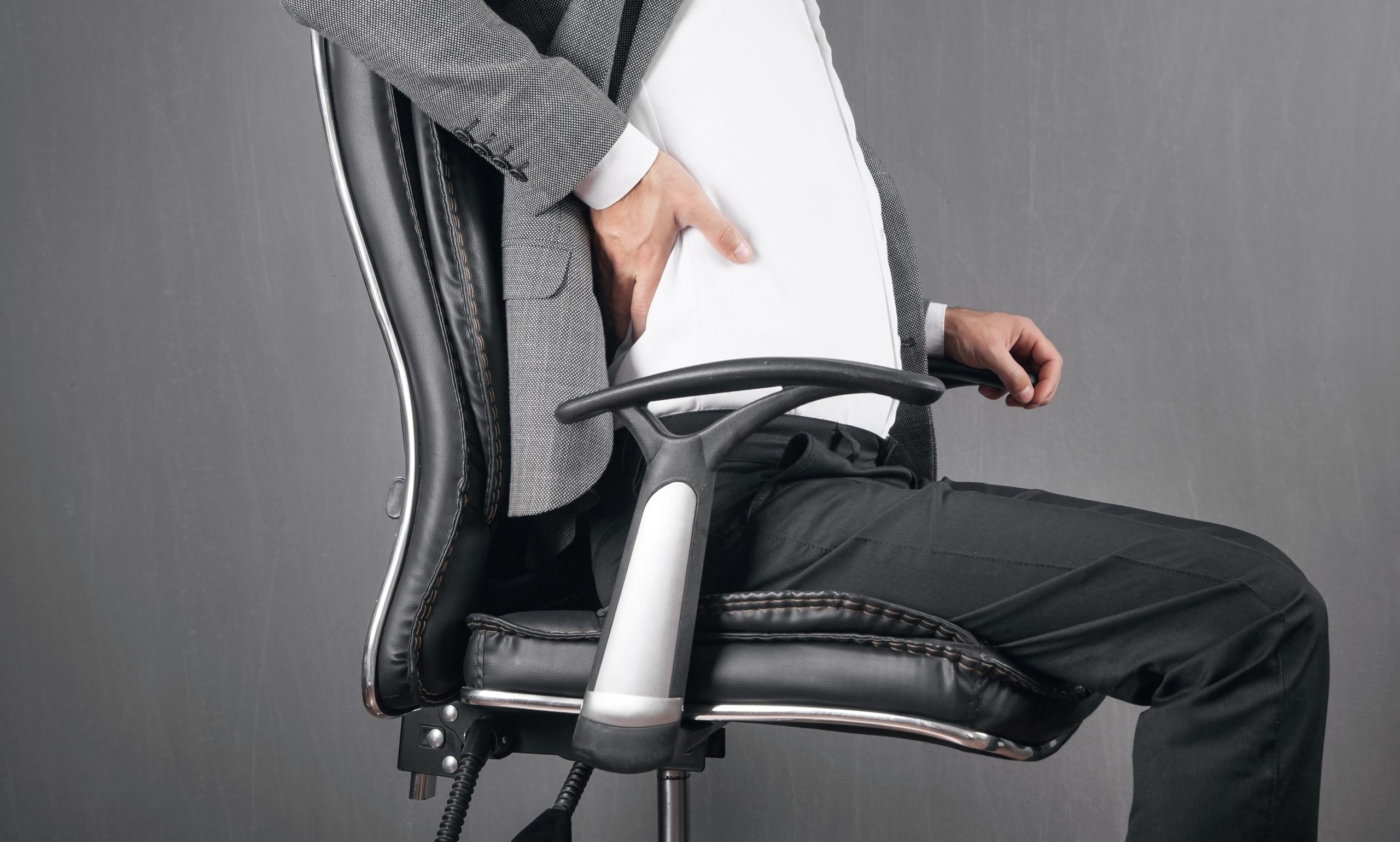
How Sitting Affects the Spine
When you sit for long periods, your spine is placed under continuous pressure. Unlike standing or walking, sitting reduces natural movement, which your back actually needs to stay healthy.
Over time, I often see these changes:
- Increased pressure on the lumbar spinal discs
- Tightening of hip flexor muscles
- Weakening of core and back stabilizing muscles
- Gradual postural changes such as slouching
These changes do not happen overnight, but they build up silently.
Why Pain Develops Over Time
In many patients, early symptoms start subtly:
- Mild stiffness when standing up
- Aching lower back after work
- Feeling “tight” or “stuck” in the lower spine
If ignored, this can progress into:
- Chronic lower back pain
- Disc strain or bulging
- Sciatic nerve irritation in some cases
The most important point I explain to patients is this: pain is often a late signal, not an early warning.
Who Is Most at Risk?
I commonly see higher risk in:
- Office workers sitting more than 6–8 hours daily
- Drivers with long commuting hours
- Students studying for long periods
- Individuals with minimal physical activity
Even with good chairs, prolonged immobility still stresses the spine.
When to Seek Medical Attention
You should consider medical evaluation if:
- Back pain persists for more than 2 weeks
- Pain radiates to the legs
- You feel numbness or tingling
- Pain worsens despite rest
Early assessment helps prevent long-term complications.
Doctor’s Practical Advice
What I usually advise my patients is simple but effective:
- Stand up every 30–45 minutes
- Stretch hips and lower back regularly
- Strengthen core muscles
- Maintain neutral sitting posture
- Avoid long uninterrupted sitting sessions
Small changes repeated daily often make the biggest difference.
Doctor's Insight
From my experience, most sitting-related back problems are preventable, not inevitable. The key is not to avoid sitting completely, but to break prolonged sitting habits and restore movement into daily routines.
If your back is already giving warning signs, it is your body’s way of asking for attention—not just rest, but proper evaluation.
– Prof. Dato’ Dr. William Teh Siew Guan
Clinical Radiologist
Evercare Medical Care Centre, Penang, Malaysia.
Frequently Asked Questions
Can sitting too long really cause back pain?
Yes. Prolonged sitting increases spinal pressure and muscle imbalance.
How long is too long to sit?
Generally, sitting beyond 30–60 minutes without movement increases risk.
Can this lead to slipped disc?
It can contribute to disc stress over time, especially with poor posture.
Will exercise help?
Yes. Core muscle strengthening and regular movement are key preventive measures.
When should I see a doctor?
If pain persists, worsens, or radiates to the legs.