
Early Symptoms of Slipped Disc Many People Ignore
In my clinical practice, I often see a very common pattern — patients come in only when their slipped disc has already progressed to the point of severe pain, leg weakness, or difficulty walking.
What is important to understand is that a slipped disc rarely happens suddenly. In most cases, the body gives early warning signs that are subtle, intermittent, and easy to dismiss.
A slipped disc occurs when the soft cushion (disc) between the spinal bones starts to bulge or tear, causing pressure on nearby nerves. When this happens gradually, the early symptoms may not feel alarming — but they are important signals that the spine is under stress.
Recognizing these early signs can prevent worsening nerve compression and reduce the risk of long-term complications.
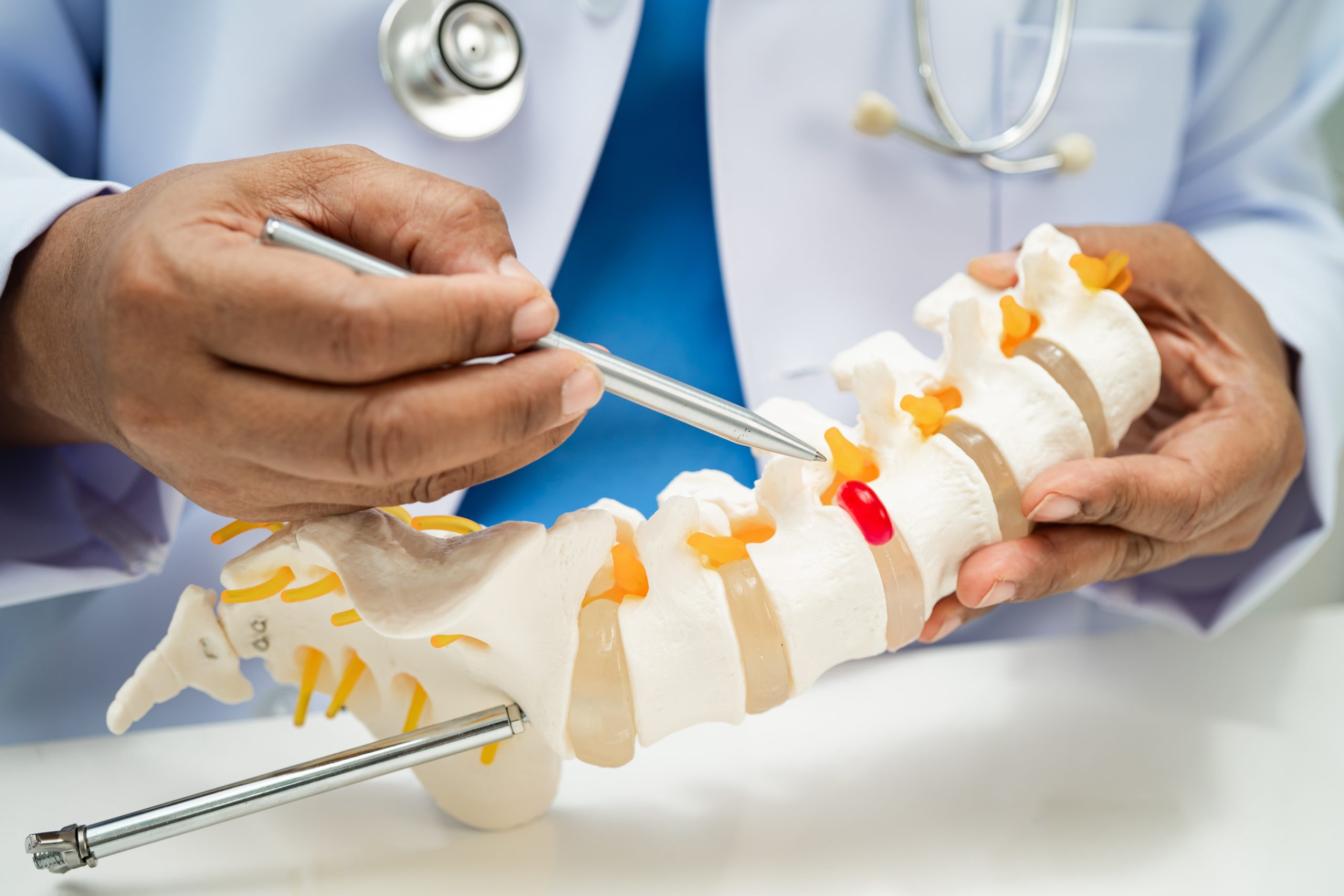
How a Slipped Disc Develops (Simple Explanation)
The spine is made up of bones called vertebrae, and between each bone is a disc that acts like a shock absorber.
Over time, due to:
- Poor posture
- Repetitive bending or lifting
- Long hours of sitting
- Age-related wear and tear
…the disc can weaken.
When the disc bulges or ruptures, it may press on nearby nerves, especially in the lower back. This is when symptoms begin.
Early Symptoms I Commonly See in Patients
1. Mild but Persistent Lower Back Pain
One of the earliest signs is a dull, aching pain in the lower back. Patients often describe it as:
- “on and off pain”
- “tightness after sitting too long”
- “muscle strain that doesn’t fully go away”
Because the pain is not severe at first, many assume it is just fatigue or posture-related strain.
2. Pain That Worsens With Sitting, Bending, or Coughing
A very important early clue is pain that:
- Increases when sitting for long periods
- Gets worse when bending forward
- Occasionally worsens when coughing or sneezing
This happens because these movements increase pressure inside the spinal discs.
3. Tingling or Pins-and-Needles Sensation
Some patients start experiencing unusual sensations such as:
- Tingling in the buttocks
- Pins and needles in the thigh or calf
- Mild numbness that comes and goes
This suggests early nerve irritation, even if pain is still mild.
4. Radiating Pain Down One Leg (Early Sciatica)
At this stage, pain may start moving from the lower back into one leg.
It may feel like:
- A pulling sensation
- Sharp, electric-like pain
- Discomfort traveling from buttock to thigh
Many people mistake this for muscle tightness, but it is often a sign of nerve involvement.
5. Subtle Weakness in the Leg or Foot
This is a more concerning early sign. Patients may notice:
- Slight difficulty lifting the foot
- Feeling of instability while walking
- Reduced strength on one side
Even if mild, this should not be ignored.
6. Pain That Improves With Rest but Returns Repeatedly
Another early pattern is:
- Pain improves after lying down
- Returns after activity or prolonged sitting
This “on-off” pattern often delays diagnosis because patients assume it is not serious.
Why These Early Symptoms Are Often Ignored
In my experience, there are three main reasons:
1. Symptoms are mild at first
Early nerve irritation does not always cause severe pain.
2. Symptoms come and go
Patients feel better temporarily, so they delay seeking care.
3. Misinterpretation as muscle strain
Many assume it is normal back pain from work or posture.
Unfortunately, this delay allows the disc problem to progress.
What Happens If It Is Ignored
If a slipped disc is not addressed early:
- Nerve compression may worsen
- Leg pain can become constant
- Numbness may increase
- Muscle weakness may develop
- Daily activities become limited
In severe cases, recovery may take longer and require more intensive treatment.
When You Should See a Doctor
You should seek medical evaluation if you experience:
- Back pain lasting more than 1–2 weeks
- Pain radiating to the leg
- Tingling or numbness in limbs
- Weakness in movement
- Pain affecting sleep or walking
Early assessment allows us to confirm the diagnosis and begin treatment before permanent nerve damage occurs.
Doctor's Insight
In many patients, early slipped disc can be managed without surgery through:
- Targeted physiotherapy
- Posture correction
- Anti-inflammatory treatment
- Lifestyle modification
The key factor is timing. The earlier we identify the problem, the better the outcome tends to be.
– Prof. Dato’ Dr. William Teh Siew Guan
Clinical Radiologist
Evercare Medical Care Centre, Penang, Malaysia.
Frequently Asked Questions
Can slipped disc heal on its own?
Some mild cases improve with conservative treatment, but proper diagnosis is important.
Is tingling in the leg always serious?
Not always, but it can be an early sign of nerve irritation.
How do I know if back pain is from a slipped disc?
Pain that radiates to the leg or worsens with sitting is a common indicator.