
A Dietitian’s Guide to Carbohydrates and Blood Sugar Control in Everyday Meals
Carbohydrates often receive mixed attention in nutrition discussions. Some people believe carbohydrates should be completely avoided to manage blood sugar, while others rely heavily on carbohydrate-rich foods as the foundation of their daily meals. The truth lies somewhere in between.
As diabetes and prediabetes continue to affect many Malaysians, understanding how carbohydrates influence blood sugar has become increasingly important. With the right dietary strategies, individuals can better manage their blood sugar levels while still enjoying a varied and balanced diet.
This guide explains carbohydrates in a practical way and offers simple strategies, focusing type, portion size, and meal balance for blood sugar control in everyday meals.
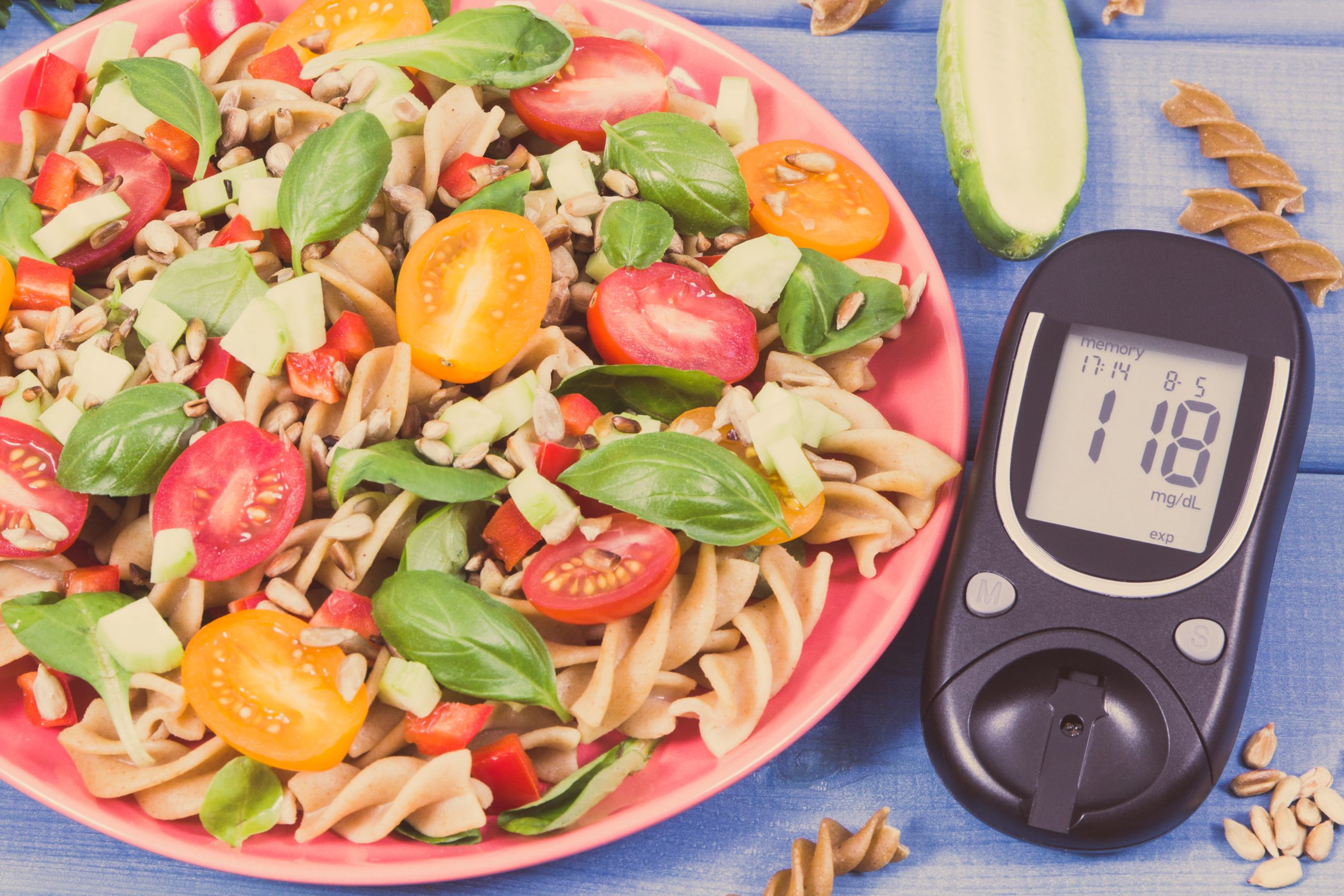
Understanding Carbohydrates in a Simple Way
Carbohydrates are one of the body’s main sources of energy. When we eat foods containing carbohydrates, they are broken down into glucose (sugar), which enters the bloodstream and provides fuel for our cells. However, not all carbohydrates behave the same way in the body.
We generally classify them into:
- Simple carbohydrates: sugar, sweet drinks, white bread, candy, condensed milk
- Complex carbohydrates: brown rice, oats, whole grains, vegetables, beans and lentils, sweet potatoes
Simple carbohydrates are digested quickly, causing rapid blood sugar spikes, while complex carbohydrates are digested more slowly. Remember the goal is not to eliminate carbohydrates but to choose better-quality carbohydrate sources and consume appropriate portions.
How Diet Impacts Blood Sugar
Other than that, the goal also focus on understanding glycemic control—keeping blood sugar stable throughout the day rather than eliminating food.
Blood sugar rises when:
- Large portions of refined carbs are eaten alone
- Meals lack protein, fiber, or healthy fats
- Sugary drinks are consumed frequently
A balanced eating pattern can help maintain more stable blood sugar levels throughout the day while supporting overall health and energy.
The “Balanced Plate” Method (Practical Guidance)
One of the simplest tools is the Balanced Plate method. Visualize your plate is divided into 3 sections:
- ½ plate (half): vegetables (fiber-rich foods: sawi, kangkong, bayam, cucumber, broccoli)
- ¼ plate (quarter): protein (fish, chicken without skin, tempeh, eggs, tofu)
- ¼ plate: carbohydrates (brown rice, whole grain noodles, sweet potatoes)
This helps naturally control carbohydrate portions without complicated counting.
Best Carbohydrate Choices (Dietitian Recommendations)
When selecting carbohydrates, focus on foods that provide fibre, vitamins, minerals, sustained energy and stable blood sugar:
- Whole grains: brown rice, red rice or parboiled rice, oats, barley and wholegrain biscuits
- Starchy vegetables: pumpkin, corn, sweet potato
- Legume: black beans, lentils, chickpeas
- Fruits: apple, guava, berries, orange, dragon
These foods contain fiber, which slows digestion and improves glucose control.
Carbohydrates to Limit (Not Eliminate)
I advise moderation rather than strict avoidance:
- Sugar-sweetened drinks: teh tarik, syrup drinks, carbonated soft drinks, bubble tea
- Refined carbohydrates: white bread, highly processed breakfast cereals, biscuits with added sugar, instant noodle
- Sweet desserts and traditional treat: cakes, pastries, ice cream, sweet puddings and kuih with high sugar content
These foods do not need to be completely avoided, but they should be enjoyed occasionally and in moderation.
Common Mistakes I See in Practice
- Skipping meals and overeating later
- Drinking sugar-sweetened beverages daily
- Eating rice in large portion
- Skips having vegetables
- Following restrictive diets
- Believing “fruit is always safe” in unlimited amounts
Even healthy foods can affect blood sugar if portions are too large.
When to Seek Professional Advice
It may be beneficial to consult a dietitian if you:
- Consistently high fasting blood sugar
- Difficulty controlling weight
- Family history of diabetes
- Confusion about meal planning
Early dietary intervention can significantly improve outcomes.
Dietitian’s Closing Insight
Carbohydrates are not the enemy of good health. In fact, they play an important role in providing energy and supporting daily activities. The key lies in choosing higher-quality carbohydrates, managing portion sizes, and building balanced meals that include vegetables, protein, and healthy fats.
For Malaysians, blood sugar control does not require giving up favourite foods entirely. Small, sustainable changes—such as choosing whole grains more often, reducing sugary beverages, and following the Balanced Plate Method—can make a meaningful difference over time.
Rather than focusing on strict restrictions, aim for balance, consistency, and informed food choices. These habits can support healthier blood sugar levels and contribute to long-term well-being.
– Wong Zhi Qi,
Certified Dietitian
Evercare Medical Care Centre, Penang, Malaysia.
Frequently Asked Questions
What is the best diet for diabetes management?
There is no single “best” diet for everyone. A balanced meal plan with controlled carbohydrates, adequate protein, healthy fats, and regular meal timing is usually the most sustainable approach for blood sugar control.
Are fruits bad for diabetics?
No. Fruits contain important vitamins, minerals, and fiber. The key is choosing appropriate portion sizes and avoiding excessive intake at one time.
Why does blood sugar remain high despite eating “healthy” foods?
Healthy foods can still raise blood glucose if portions are too large or meals contain excessive carbohydrates. Hidden sugars in drinks and irregular eating patterns may also contribute.
Is skipping meals good for lowering blood sugar?
Skipping meals is generally not recommended. Long gaps between meals may lead to overeating later and cause unstable blood glucose levels.