
Understanding Globulin: What Your Blood Protein Levels Are Telling You About Your Health
In my clinical practice, I often see patients who feel anxious after receiving blood test results showing “globulin” levels outside the normal range. Many immediately worry that it indicates a serious disease. However, globulin is just one part of a much bigger picture of your overall health.
Globulins are a group of proteins found in your blood that play important roles in immunity, liver function, and transporting substances throughout the body. When levels are too high or too low, it may signal an underlying condition—but not always something dangerous.
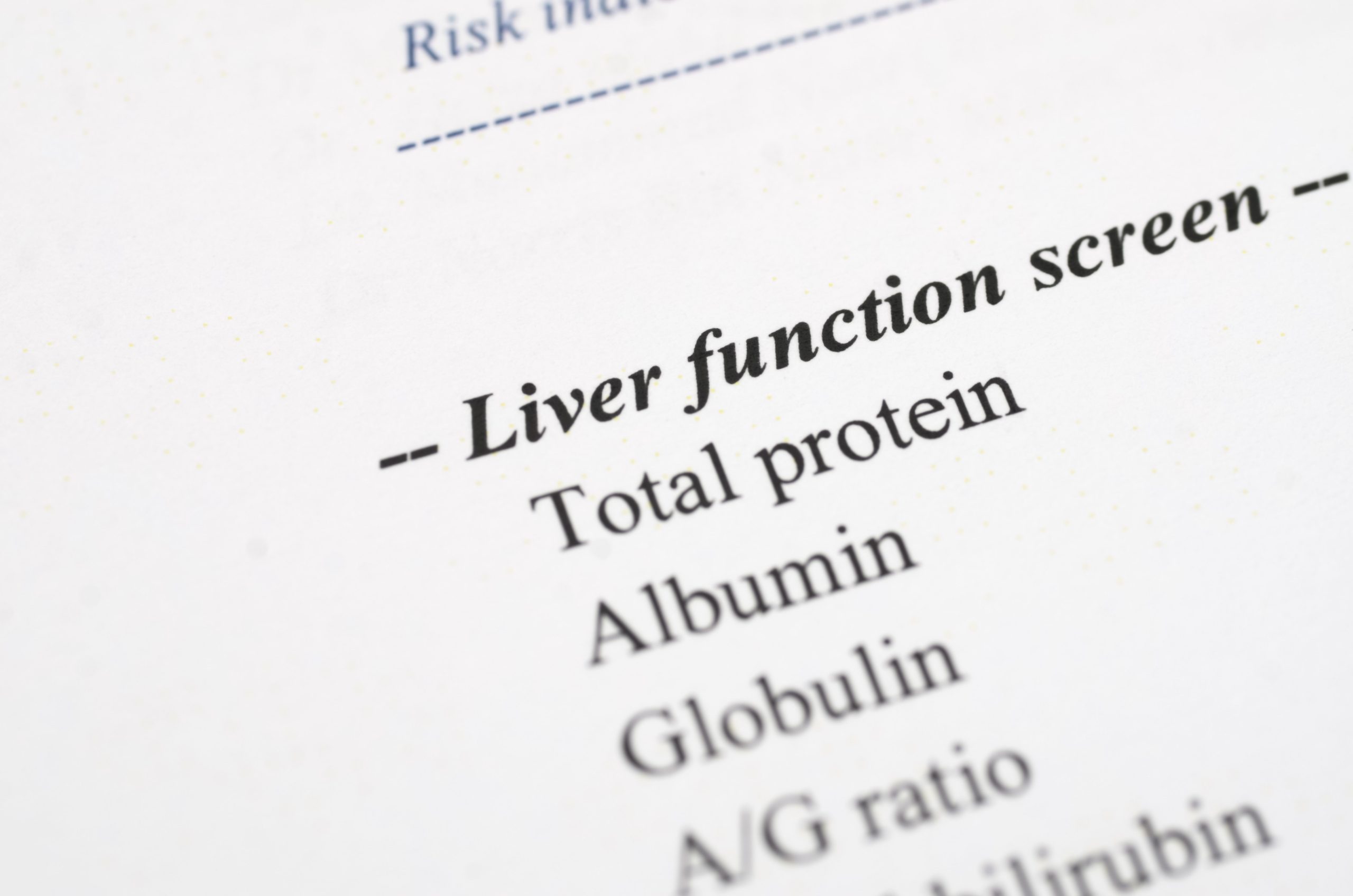
What is Globulin?
Globulin is not a single protein, but a group of proteins produced mainly by the liver and immune system. It makes up a portion of total blood protein alongside albumin.
In general, globulins help with:
- Fighting infections (antibodies)
- Blood clotting processes
- Transporting hormones and vitamins
- Supporting immune response
Doctors often assess globulin as part of a total protein test or calculate the albumin-to-globulin (A/G) ratio.
Normal Globulin Levels
Although ranges may vary slightly between laboratories, typical globulin levels are:
- 0 – 3.5 g/dL(general reference range)
Interpretation always depends on other blood markers, especially liver function tests and immune-related results.
What Does High Globulin Mean?
In my experience, elevated globulin levels often prompt further investigation rather than an immediate diagnosis.
Common causes include:
- Chronic infections
- Inflammatory conditions
- Liver diseases such as hepatitis or cirrhosis
- Immune system disorders
- Certain blood-related conditions
- Cancer
A high globulin level tells us the immune system may be more active than usual, but it does not automatically indicate a serious disease.
What Does Low Globulin Mean?
Low globulin levels are less common but can occur in:
- Liver dysfunction (reduced protein production)
- Kidney disease (protein loss in urine)
- Malnutrition or poor protein intake
- Immune deficiency conditions
Patients with low globulin may sometimes experience fatigue or increased susceptibility to infections, but again, interpretation must be combined with other findings.
Albumin-to-Globulin (A/G) Ratio
One of the most important interpretations in practice is theA/G ratio.
- A low ratio may suggest increased globulin production (often inflammation or immune activation)
- A high ratio may suggest low globulin or reduced immune proteins
I often remind patients that this ratio provides more clinical insight than globulin alone.
When Should You Be Concerned?
From a clinical standpoint, I advise patients not to focus on a single number. Instead, attention is needed when:
- Globulin levels are persistently abnormal
- There are associated symptoms (fatigue, weight loss, recurrent infections)
- Other liver or kidney markers are abnormal
A repeat test or further investigations may be recommended depending on the overall picture.
Doctor's Insight
Many patients I see assume abnormal globulin results directly mean cancer or severe disease. In reality, globulin changes are more commonly linked to inflammation, infection, or immune activity rather than rare conditions.
The key is not to self-interpret blood results in isolation, but to review them in context with a healthcare professional who can correlate symptoms and additional lab findings.
– Dr. Balavendrian Anthony
Physician | Palliative Care
Evercare
International Health Screening Centre
Medical Care Centre, Penang, Malaysia.
Frequently Asked Questions
Is globulin a cancer marker?
No. It is not a cancer-specific marker.
Can stress affect globulin levels?
Indirectly, through immune system changes.
Do I need fasting for a globulin test?
Usually no, but depends on full blood panel.
Can globulin levels return to normal?
Yes, it can be transmitted through blood and body fluids.