
Urine Specific Gravity (Urine SG): What Your Urine Test Is Really Telling You About Your Health
In my daily practice, urine test results are one of the most common investigations patients bring to me for interpretation. One value that often causes confusion is urine specific gravity (Urine SG).
Many patients ask me, “Doctor, my Urine SG is high/low — does it mean my kidneys are failing?” In most cases, the answer is not that simple. Urine SG is a reflection of how well your kidneys are concentrating urine, and it can change due to many normal and medical reasons.
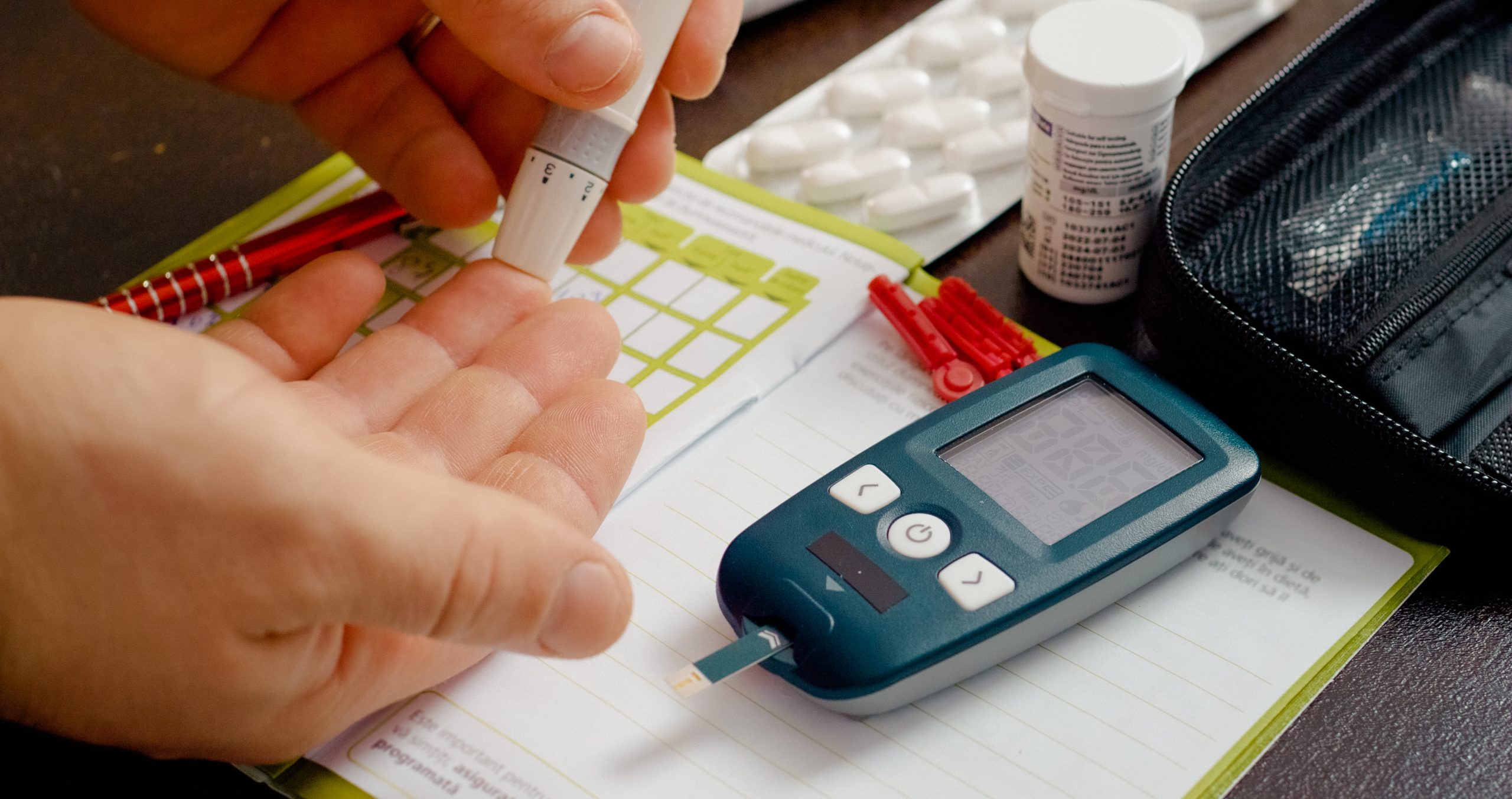
What is Urine Specific Gravity?
Urine specific gravity measures the concentration of particles in urine compared to water. In simple terms, it tells us how “strong” or “diluted” your urine is.
- Normal range is usually 005 to 1.030
- Higher values mean more concentrated urine
- Lower values mean more diluted urine
This test gives indirect information about hydration status and kidney function.
What Does High Urine SG Mean?
When I see a higher-than-normal urine SG, the first thing I consider is dehydration.
Common causes include:
- Not drinking enough water
- Excessive sweating (hot weather, exercise)
- Vomiting or diarrhea
- Fever
In some cases, high urine SG may also be seen in:
- Sugar in urine (uncontrolled diabetes)
- Protein in urine (kidney conditions)
However, I always interpret it together with other tests — not in isolation.
What Does Low Urine SG Mean?
Low urine SG suggests very diluted urine.
Possible reasons include:
- Drinking large amounts of water
- Use of diuretics (“water pills”)
- Diabetes insipidus (a rare condition affecting water balance)
- Reduced kidney concentrating ability in chronic kidney disease
In early stages, it may simply reflect high fluid intake rather than disease.
When Should You Be Concerned?
From my clinical experience, urine SG alone is rarely diagnostic. I become more concerned when it is:
- Persistently abnormal
- Combined with abnormal creatinine or eGFR
- Associated with symptoms like swelling, fatigue, or changes in urination
That is when further kidney evaluation is important.
How Doctors Interpret It
In practice, I never rely on urine SG alone. I usually interpret it together with:
- Blood kidney function tests (creatinine, urea)
- Urine protein levels
- Blood sugar levels
- Clinical symptoms and hydration status
- Urine FEME
This combined approach gives a much clearer picture of kidney health.
When to Seek Medical Advice
You should consider seeing a doctor if:
- Your urine test repeatedly shows abnormal SG
- You have swelling in legs or face
- You notice foamy urine or blood in urine
- You feel persistently thirsty or dehydrated
- You have diabetes or hypertension with abnormal urine results
Early evaluation helps prevent silent kidney disease progression.
Doctor's Insight
In my experience, urine specific gravity is a helpful but often misunderstood marker. On its own, it does not diagnose kidney disease — but it gives us important clues about hydration and kidney concentration ability.
What matters most is the overall clinical picture, not a single number on the report.
– Dr. Balavendrian Anthony
Physician | Palliative Care
Evercare
International Health Screening Centre
Medical Care Centre, Penang, Malaysia.
Frequently Asked Questions
What is Urine Specific Gravity?
Urine Specific Gravity measures how concentrated or diluted urine is compared with water.
What does Urine SG tell me?
It provides information about urine concentration and can offer useful clinical context when assessing hydration and kidney function.
Is high Urine SG always a sign of kidney disease?
No. A high result can occur when urine is concentrated, including when someone has not consumed enough fluid. Other factors can also affect the result.
Is low Urine SG always abnormal?
No. Drinking a large amount of fluid can produce dilute urine. Persistent abnormalities may require further assessment depending on the clinical situation.
What is the normal Urine SG range?
The reference range can vary between laboratories and testing methods. Patients should refer to the reference range provided on their own laboratory report.
Can Urine SG diagnose kidney disease?
No. Urine SG should not be used by itself to diagnose kidney disease. Doctors may assess kidney health using blood tests, urine protein or albumin measurements, blood pressure and other investigations.
Should I worry if my Urine SG is outside the reference range?
Not necessarily. An isolated abnormal result may have several explanations. It is best interpreted together with your symptoms and other test results.
When should I see a doctor?
Speak with a doctor if your result remains abnormal, you have concerning urinary symptoms, or other urine or blood tests are also abnormal.