
What Is Glucose? Understanding Blood Sugar and Why It Matters
One of the most common questions I hear from patients is, “Doctor, what exactly is glucose, and why is everyone talking about it?” Many people associate glucose only with diabetes, but glucose is actually an essential source of energy that every cell in our body needs to function.
Understanding how glucose works can help you make healthier lifestyle choices and recognize when your blood sugar may need medical attention.
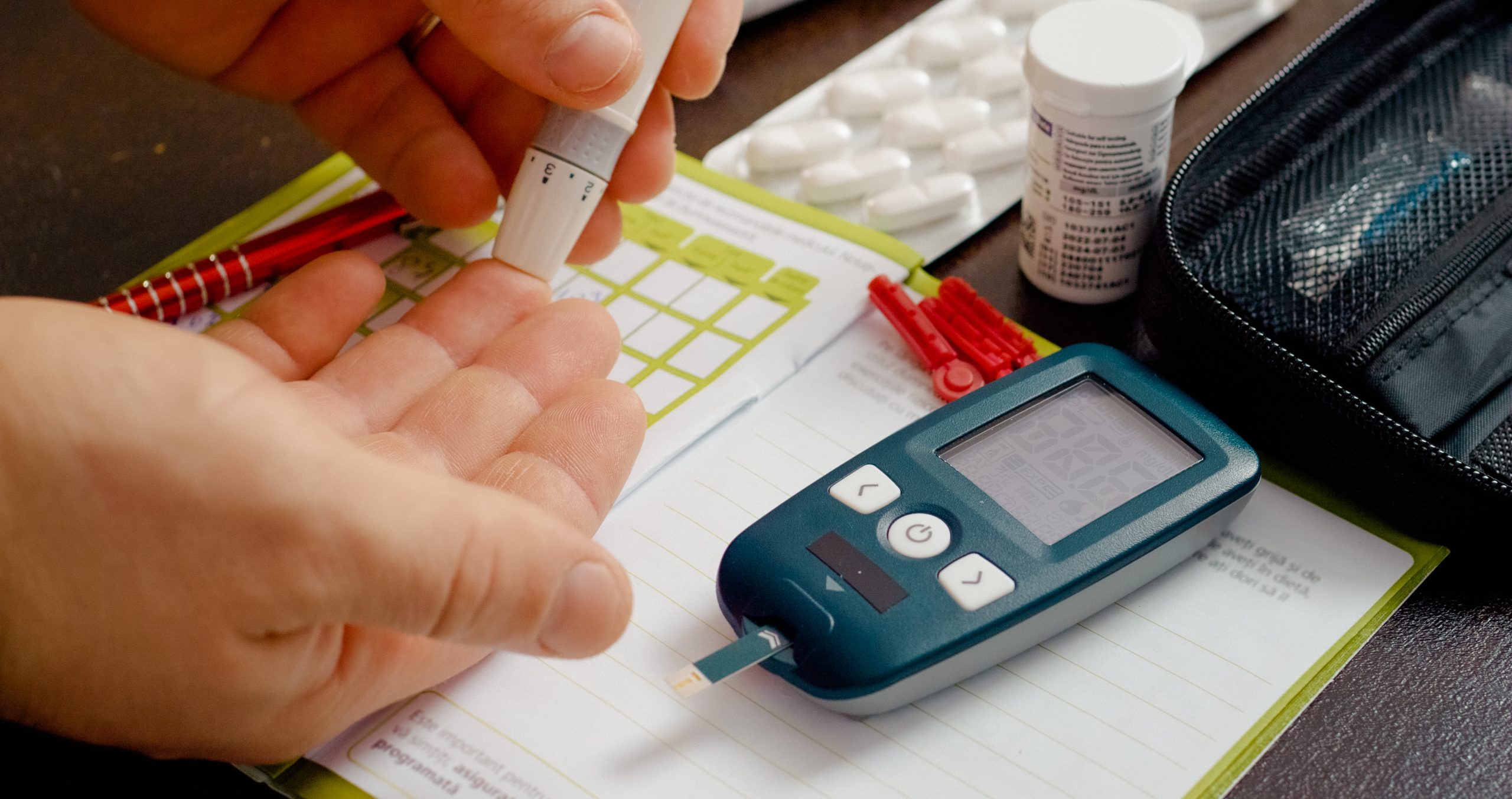
What Is Glucose?
Glucose is a simple sugar that serves as the body’s primary source of energy. It comes mainly from carbohydrates found in foods such as rice, bread, fruits, vegetables, and cereals.
After eating, carbohydrates are broken down into glucose, which enters the bloodstream. The hormone insulin helps move glucose from the blood into the body’s cells, where it is used for energy.
Why Is Glucose Important?
Every organ depends on glucose, especially:
- The brain
- Muscles
- Heart
- Kidneys
- Nervous system
Maintaining glucose within a healthy range allows these organs to function properly.
What Happens When Blood Glucose Is Too High?
High blood glucose (hyperglycaemia) occurs when the body does not produce enough insulin or cannot use insulin effectively.
Common symptoms include:
- Increased thirst
- Frequent urination
- Blurred vision
- Fatigue
- Slow wound healing
- Unexplained weight loss
If left untreated, persistently high glucose can damage blood vessels and organs over time.
What Happens When Blood Glucose Is Too Low?
Low blood glucose (hypoglycaemia) can occur if glucose levels fall below the body’s needs.
Symptoms may include:
- Sweating
- Shaking
- Hunger
- Dizziness
- Confusion
- Difficulty concentrating
- Palpitations
Prompt recognition and appropriate treatment are important to prevent more serious complications.
How Is Blood Glucose Measured?
- Fasting blood glucose
- Random blood glucose
- HbA1c (average blood sugar over the previous 2–3 months)
- Oral glucose tolerance test (when indicated)
These tests help assess how well the body regulates blood sugar.
How Can You Maintain Healthy Glucose Levels?
In my practice, I encourage patients to focus on healthy daily habits rather than quick fixes.
These include:
- Eating a balanced diet
- Limiting sugary drinks
- Staying physically active
- Maintaining a healthy weight
- Getting enough sleep
- Managing stress
- Attending regular health screenings, especially if you have risk factors for diabetes
When Should You Seek Medical Evaluation?
You should consider seeing a doctor if you experience:
- Persistent excessive thirst
- Frequent urination
- Unexplained weight loss
- Recurrent infections
- Blurred vision
- A family history of diabetes
- Abnormal blood glucose results during a health screening
Early evaluation can help identify problems before complications develop.
Doctor's Insight
As a doctor, I remind my patients that glucose is not something to fear—it is something to understand. Glucose is essential for life, but maintaining it within a healthy range is key to protecting your long-term health. Regular check-ups, healthy lifestyle choices, and early medical evaluation when symptoms arise can make a significant difference.
– Dr. Balavendrian Anthony
Physician | Palliative Care
Evercare
International Health Screening Centre
Medical Care Centre, Penang, Malaysia.
Frequently Asked Questions
Is glucose the same as sugar?
Glucose is a type of simple sugar that the body uses as its main energy source.
Does having high glucose mean I have diabetes?
Not always. Further assessment and blood tests are needed to determine the cause.
Can healthy people have high glucose?
Yes. Temporary increases may occur after meals, illness, stress, or certain medications.
How often should I check my blood glucose?
This depends on your health status and risk factors. Your doctor can recommend an appropriate screening schedule.
What foods affect blood glucose?
Carbohydrate-containing foods such as rice, bread, noodles, fruits, junk foods and sugary drinks have the greatest impact on blood glucose levels.