
Helicobacter Pylori Urea Breath Test: What I Commonly Explain to My Patients
In my clinical practice, I often see patients who come in with long-standing bloating, burning stomach pain, or symptoms of “gastritis” that keep coming back despite treatment. One of the most important causes I always consider is Helicobacter pylori (H. pylori) infection.
When I suspect this infection, one of the most reliable and non-invasive tests I recommend is the urea breath test. Many patients are surprised by how simple it is, yet how useful it can be in guiding treatment.
Let me explain the 4 key points you should understand before doing this test.
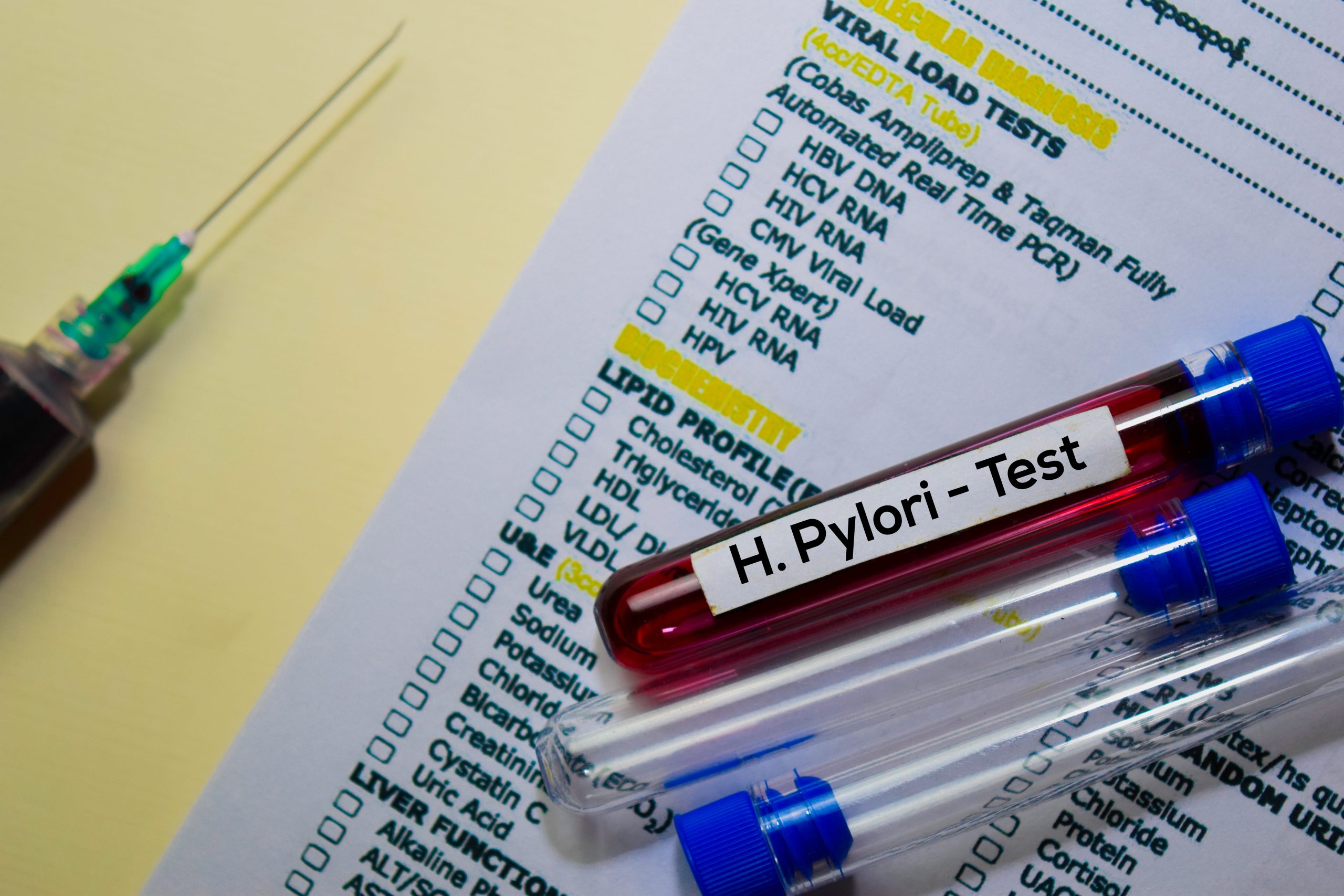
4 Key Points About the Urea Breath Test
In my experience, one of the most important clarifications is that this test does not just show past exposure. It detects active infection in the stomach.
- pylori is a bacteria that lives in the stomach lining and can cause:
- Chronic gastritis
- Peptic ulcers
- Bloating and early fullness
- Burning upper abdominal pain
The urea breath test helps us confirm whether the bacteria is currently present and active.
It Is Simple, Non-Invasive, and Safe
Many patients worry about scopes or painful procedures. I often reassure them that this test only involves breathing into a collection bag.
The process is simple:
- You breathe into a baseline sample
- You drink a special urea solution
- You provide another breath sample after a short waiting period
There are no needles, no sedation, and no endoscopy required.
Preparation Before the Test Is Very Important
One of the most common reasons for inaccurate results is not preparing correctly.
From my clinical advice, patients are usually instructed to:
- Avoid antibiotics for a period before the test
- Stop proton pump inhibitors (acid medication) temporarily if advised
- Fast for a few hours before testing
This ensures the bacteria is not suppressed temporarily, which could lead to a false negative result.
It Helps Guide Treatment Decisions Clearly
When I receive a positive result, it allows me to proceed with targeted eradication therapy, which typically involves a combination of antibiotics and acid suppression medication.
If the test is negative, we then look for other causes of symptoms such as:
- Acid reflux disease
- Functional dyspepsia
- Dietary triggers
- Stress-related gastric symptoms
This is why I consider the test very valuable—it gives clarity instead of guesswork.
When Should You Consider This Test?
In my practice, I usually recommend testing if a patient has:
- Persistent upper abdominal pain
- Recurrent gastritis symptoms
- Unexplained bloating
- History of stomach ulcers
- Family history of gastric disease
Doctor's Insight
The Helicobacter pylori urea breath test is one of the simplest yet most informative tools we use in evaluating chronic stomach symptoms. What I often remind patients is that ongoing gastric discomfort should not be ignored or repeatedly self-treated without proper diagnosis.
A clear test result helps us move from uncertainty to a structured treatment plan.
In my experience, the biggest barrier is not treatment—it is hesitation in getting tested. Syphilis screening is a simple step that provides clarity and peace of mind. I always encourage patients not to wait for symptoms before seeking evaluation.
– Dr. Balavendrian Anthony
Physician | Palliative Care
International Health
Screening Centre
Evercare Medical Care Centre, Penang, Malaysia.
Frequently Asked Questions
Is the urea breath test painful?
No, it is completely non-invasive.
Do I need to fast before the test?
Yes, fasting may be required for a few hours depending on clinic instructions.
Can I take my stomach medication before the test?
Some medications may need to be stopped temporarily for accurate results.
How long does the test take?
Usually around 20–30 minutes.