
Understanding AST (SGOT): What Your Blood Test Is Really Telling You About Your Liver
In my daily practice, I often see patients who feel worried after receiving blood test results showing “high AST” or “SGOT.” Many immediately assume it means serious liver disease. However, the interpretation is more nuanced, and AST is not a liver-specific marker on its own.
AST (Aspartate Aminotransferase), also known as SGOT, is an enzyme found in the liver, heart, muscles, and other tissues. When these cells are stressed or damaged, AST can be released into the bloodstream.
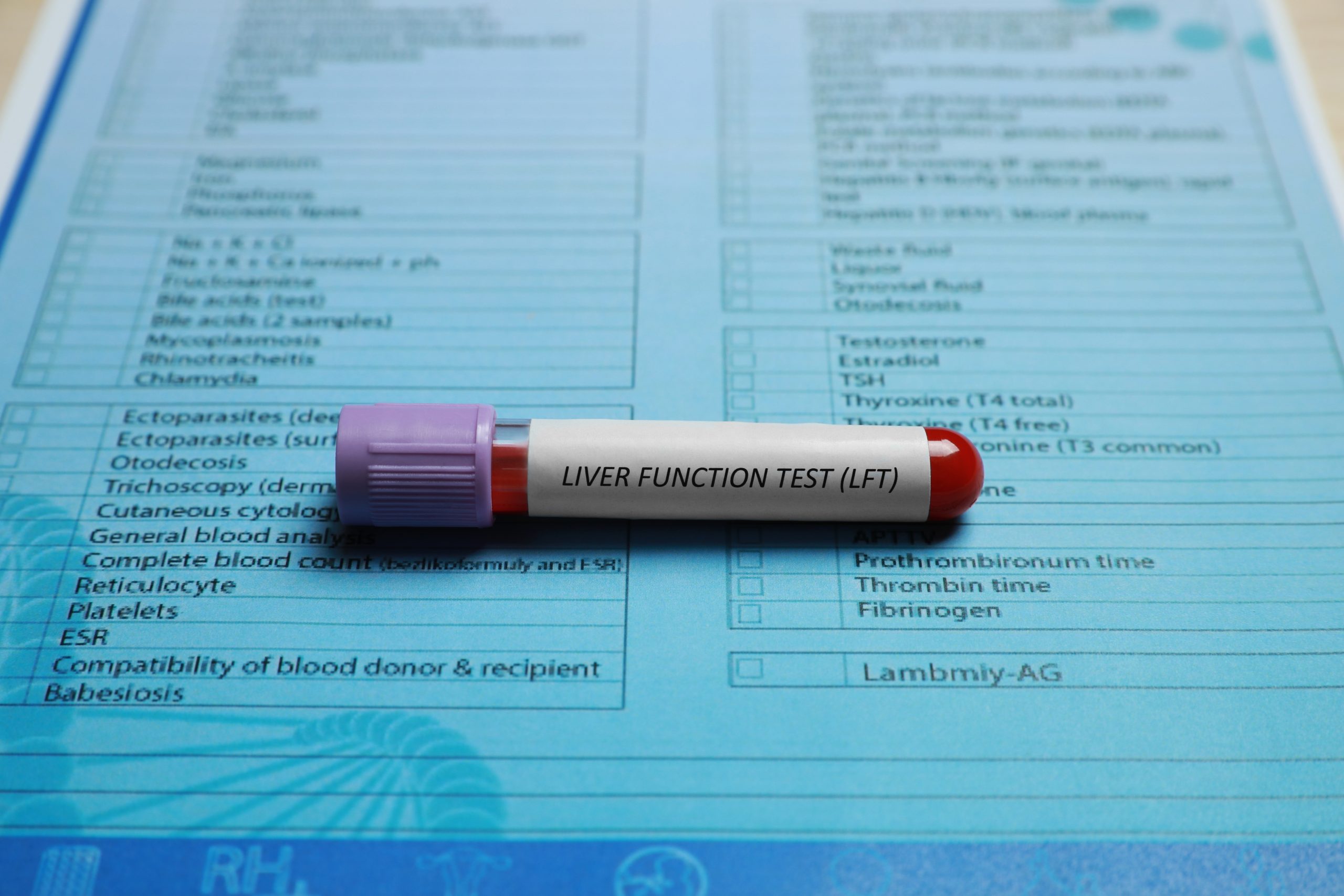
What is AST (SGOT)?
AST is one of the enzymes commonly included in liver function tests. It helps doctors assess cell injury rather than liver function alone.
While it is associated with the liver, AST is also present in:
- Heart muscle
- Skeletal muscles
- Kidneys
- Brain tissue
- Cancer
This is why interpretation always requires clinical context.
Common Causes of High AST Levels
When I see elevated AST in patients, I usually consider several possible causes:
- Fatty liver disease (very common in modern lifestyles)
- Viral hepatitis (such as Hepatitis A, B, or C)
- Alcohol-related liver injury
- Muscle injury or strenuous exercise
- Certain medications or supplements
- Heart-related conditions (less common but important)
- Cancer
Can AST Be Low?
Low AST levels are generally not clinically significant. In most cases, doctors are more concerned about elevated readings.
AST vs ALT: Why Doctors Look at Both
AST is usually interpreted together with ALT (Alanine Aminotransferase), which is more specific to the liver.
- Higher ALT than AST → often liver-related condition
- Higher AST than ALT → may suggest alcohol-related liver injury or muscle source
- Cancer
When Should You Be Concerned?
In my clinical experience, patients should seek further evaluation if:
- AST is persistently elevated
- Levels are more than 2–3 times the normal range
- There are symptoms like jaundice, fatigue, abdominal pain, or dark urine
- Both AST and ALT are abnormal
Doctor's Insight
I often reassure patients that a single abnormal AST result does not confirm disease. We usually repeat tests, review medications, assess lifestyle factors, and sometimes perform imaging such as an ultrasound before reaching a diagnosis.
– Dr. Balavendrian Anthony
Physician | Palliative Care
Evercare
International Health Screening Centre
Medical Care Centre, Penang, Malaysia.
Frequently Asked Questions
What is an AST (SGOT) blood test?
AST, also known as SGOT, is an enzyme found in several parts of the body, especially the liver and muscles. An AST blood test measures the amount of this enzyme in your blood. I commonly explain to patients that AST is useful as part of a broader assessment, but it does not look at the liver alone.
Does a high AST level always mean I have liver disease?
No. A high AST level can occur with liver problems, but AST is also present in muscles, the heart and other tissues. Muscle injury, strenuous exercise and certain medications or medical conditions can also affect the result. I therefore look at AST together with other blood tests, symptoms and the patient’s medical history.
What can cause high AST levels?
Possible causes include liver inflammation or injury, alcohol-related liver problems, certain medications, viral hepatitis and muscle injury. The degree of elevation and the pattern of other liver tests can provide important clues about the underlying cause.
What does a low AST level mean?
A low AST level is usually not a cause for concern by itself. Reference ranges vary between laboratories, so I recommend interpreting the result according to the range provided on your own laboratory report.
What is a normal AST level?
There is no single normal value that applies to everyone. Laboratories may use different reference ranges depending on their testing methods. Your age, sex, health status and other factors may also be relevant.
Why might my doctor order an AST test?
An AST test may be requested as part of liver-function or general blood testing, particularly when there are symptoms, known medical conditions, medication concerns or other test results that need further assessment.
Is AST the same as ALT?
No. AST and ALT are different enzymes, although both can be elevated when liver cells are injured. ALT is generally more closely associated with the liver, while AST can also come from muscles and other tissues. I often interpret the two results together rather than looking at AST in isolation.
Can alcohol affect AST levels?
Yes. Alcohol can contribute to liver injury and may affect AST and other liver-related blood tests. If your AST is elevated, tell your doctor honestly about your alcohol intake so the result can be interpreted properly.
Can exercise raise AST?
Yes. Intense or strenuous exercise can sometimes increase AST because AST is also found in muscle tissue. If your result is unexpectedly high, your doctor may consider recent physical activity as part of the overall assessment.
Should I worry if my AST is high?
An elevated AST deserves appropriate interpretation, but it does not automatically mean something serious is happening. I would consider the actual level, ALT and other test results, symptoms, medications, alcohol intake, medical history and whether the abnormality persists.