
FT3 (Free Triiodothyronine): What I Look For When Interpreting Your Thyroid Results
In my daily practice, I often see patients who come in with symptoms like fatigue, unexplained weight changes, palpitations, or feeling unusually anxious. Many of them already have blood test results showing FT3 levels, but they are unsure what it actually means.
FT3, or Free Triiodothyronine, is one of the most active thyroid hormones in the body. When I interpret thyroid function tests, FT3 gives me important insight into how strongly the thyroid is actually influencing the body’s metabolism at a tissue level.
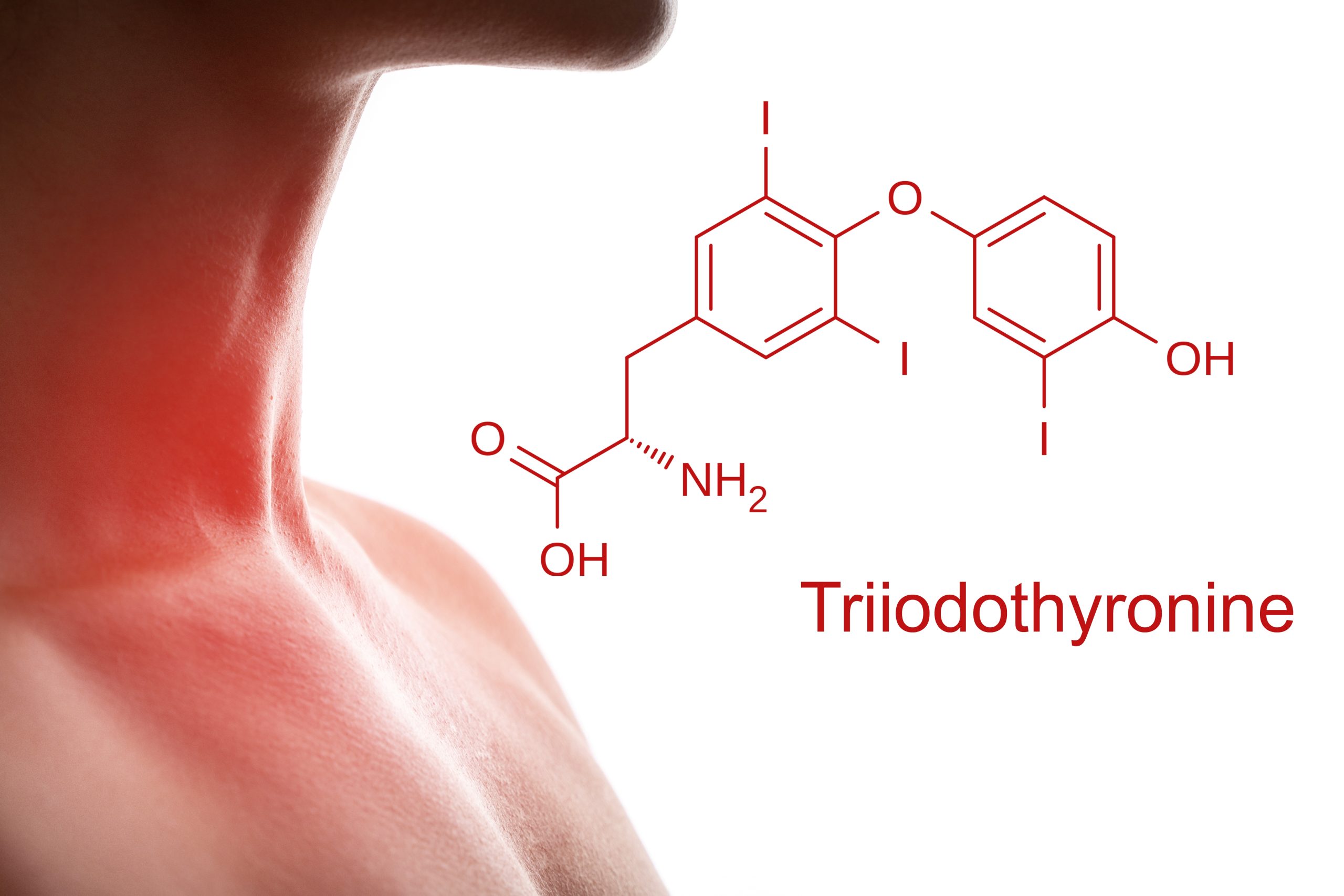
What is FT3?
FT3 is the active form of thyroid hormone T3. While most thyroid hormone in the body exists as T4 (thyroxine), it is FT3 that directly affects:
- Metabolism and energy production
- Heart rate and rhythm
- Body temperature
- Brain function and mood
When I explain this to patients, I often describe FT3 as the “active fuel” that tells me how fast the body’s engine is running.
Why FT3 Matters in Thyroid Testing
In many cases, patients assume TSH alone is enough. However, I often emphasize that FT3 provides additional clarity, especially when symptoms do not match TSH results.
FT3 is particularly useful in evaluating:
- Hyperthyroidism (overactive thyroid)
- Thyroid hormone conversion issues (T4 to T3 conversion)
- Early or mild thyroid dysfunction
Some patients may have normal TSH but abnormal FT3, which can still explain their symptoms.
What Does High FT3 Mean?
When FT3 levels are higher than normal, I commonly consider conditions such as hyperthyroidism.
Patients may experience:
- Rapid heartbeat or palpitations
- Anxiety or irritability
- Weight loss despite normal appetite
- Tremors or hand shaking
- Heat intolerance
In clinical practice, I always remind patients that high FT3 is not something to ignore, even if symptoms feel mild at first.
What Does Low FT3 Mean?
Low FT3 can suggest reduced thyroid activity or impaired conversion from T4 to T3.
Common symptoms include:
- Fatigue and low energy
- Weight gain
- Depression or low mood
- Cold intolerance
- Slow heart rate
Sometimes I see low FT3 in patients with chronic illness or stress, even when the thyroid gland itself is structurally normal.
FT3 vs TSH vs FT4 – What’s the Difference?
One of the most common questions I receive is why multiple thyroid tests are needed.
- TSH: Signals from the brain telling the thyroid what to do
- FT4: Storage form of thyroid hormone
- FT3: Active form that directly affects the body
In many cases, I interpret all three together to get a complete picture rather than relying on a single marker.
When Should You See a Doctor?
I usually advise patients to seek medical evaluation if they have:
- Persistent fatigue or unexplained weight changes
- Palpitations or irregular heartbeat
- Mood changes without clear cause
- Neck swelling or discomfort
- Abnormal thyroid test results
Early evaluation helps prevent complications and ensures proper hormone balance is restored safely.
Doctor's Insight
In my experience, FT3 is one of the most clinically meaningful thyroid markers because it reflects how the body is actually responding at a metabolic level. However, it should never be interpreted alone.
A proper diagnosis always combines symptoms, clinical examination, and a full thyroid panel.
If you have concerns about your FT3 levels, it is important to review them with a qualified doctor rather than interpreting results in isolation.
– Dr. Balavendrian Anthony
Physician | Palliative Care
International Health
Screening Centre
Evercare Medical Care Centre, Penang, Malaysia.
Frequently Asked Questions
Is FT3 more important than TSH?
Both are important. FT3 shows active hormone effect, while TSH shows regulation from the brain.
Can FT3 be abnormal even if TSH is normal?
Yes, in some cases early thyroid imbalance or conversion issues can affect FT3 first.
What symptoms suggest FT3 imbalance?
Fatigue, weight changes, palpitations, anxiety, or temperature sensitivity.
Do I need treatment if FT3 is abnormal?
Treatment depends on symptoms, underlying cause, and full thyroid panel results.