
Understanding GGT (Gamma-Glutamyl Transferase): A Liver Enzyme That Tells Us More Than You Think
In my clinical practice, one of the most commonly questioned results in a liver function test is GGT, or Gamma-Glutamyl Transferase. Patients often come to me worried after seeing a raised number, even when they feel completely well.
I usually explain that GGT is not a disease by itself. Instead, it is a signal from the liver and bile system that something may be affecting liver function or metabolism.
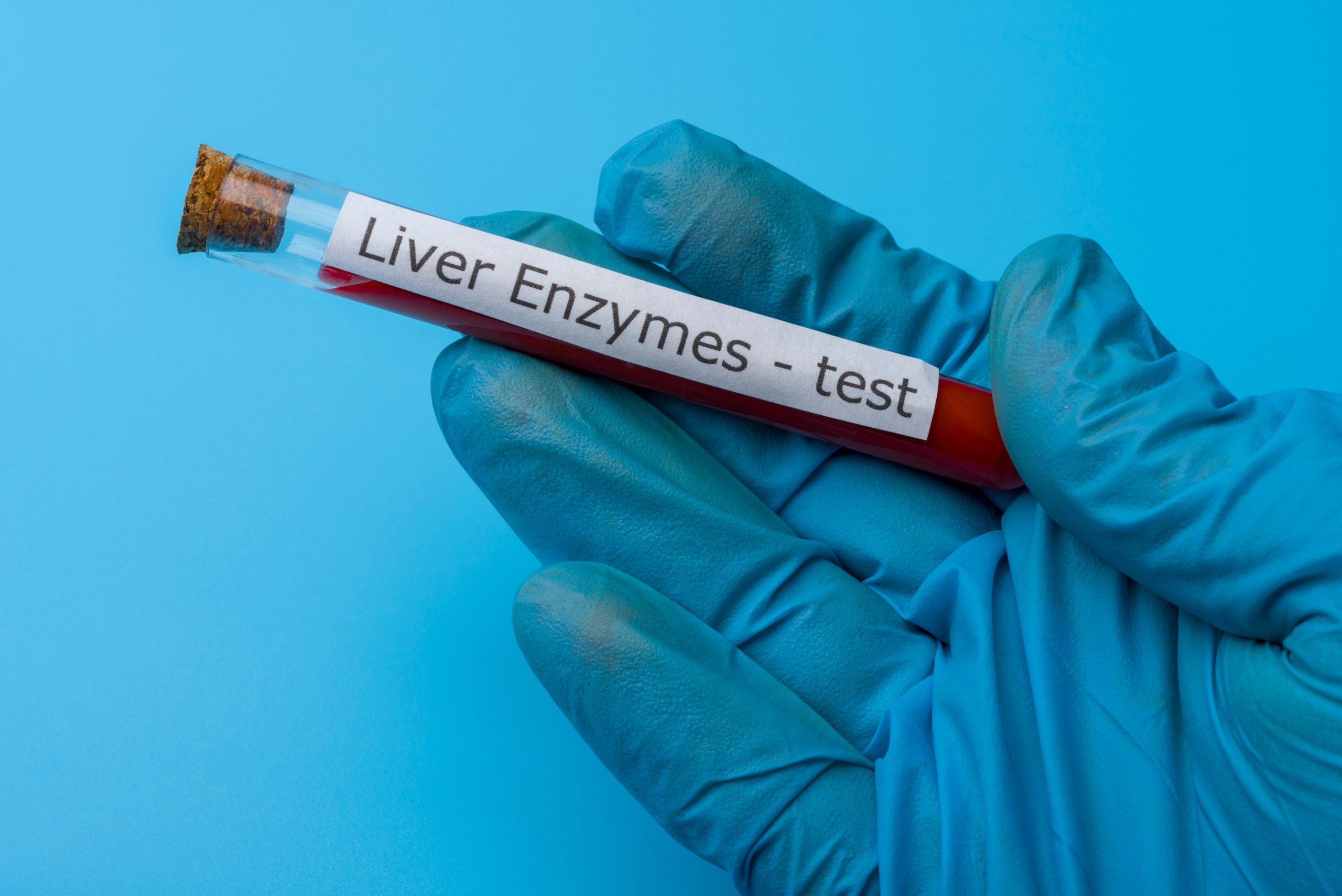
What is GGT?
GGT is an enzyme found mainly in the liver, bile ducts, and pancreas. It plays a role in processing toxins and supporting liver detoxification pathways.
When liver cells are irritated or bile flow is affected, GGT can leak into the bloodstream, leading to higher levels in a blood test.
Common Causes of High GGT
In many patients I see, elevated GGT is linked to lifestyle or metabolic factors rather than severe liver disease. Common causes include:
- Alcohol consumption, even moderate or occasional use
- Fatty liver disease (NAFLD), especially in overweight individuals
- Certain medicationssuch as painkillers or cholesterol drugs
- Bile duct problemsor gallbladder disease
- Smoking, which can also elevate GGT
- Metabolic conditions like diabetes or high cholesterol
- Cancer
Often, GGT rises earlier than other liver enzymes, making it an early warning marker.
Is High GGT Dangerous?
A mildly elevated GGT does not always mean serious liver disease. However, persistently high levels should not be ignored.
In my experience, I look at GGT together with other liver enzymes such as ALT and AST. A single abnormal result is not enough for diagnosis.
What matters most is the trend over time and associated risk factors.
Symptoms to Watch For
Most people with high GGT have no symptoms at all, especially in early stages.
When liver stress progresses, symptoms may include:
- Fatigue
- Discomfort in the right upper abdomen
- Bloating or poor digestion
- Yellowing of eyes or skin (in more advanced cases)
When Should You See a Doctor?
I usually advise further evaluation when:
- GGT remains elevated in repeat tests
- Other liver enzymes are also abnormal
- There is a history of alcohol use or fatty liver risk
- The patient has diabetes, obesity, or high cholesterol
Early assessment helps prevent progression to more serious liver conditions.
How to Lower GGT Levels
Depending on the cause, GGT can often be improved. In clinic, I typically guide patients toward:
- Reducing or stopping alcohol intake
- Improving diet (less sugar, processed food, and fried food)
- Regular exercise and weight management
- Controlling blood sugar and cholesterol
- Reviewing medications with a doctor if needed
- Ultrasound abdomen and pelvis . Look for source
The liver has strong regenerative ability when the underlying cause is addressed early.
Doctor's Insight
When I see an elevated GGT result, I do not treat the number alone. I always assess the patient’s lifestyle, metabolic health, and full liver profile.
GGT is best understood as an early warning marker, not a final diagnosis. With the right evaluation and lifestyle changes, many patients are able to normalize their levels and improve overall liver health.
– Dr. Balavendrian Anthony
Physician | Palliative Care
Evercare
International Health Screening Centre
Medical Care Centre, Penang, Malaysia.
Frequently Asked Questions
Is GGT a liver disease?
No, it is an enzyme that reflects liver or bile duct stress.
Can stress increase GGT?
Indirectly, yes—through lifestyle changes and metabolic effects.
How long does it take to normalize?
It depends on the cause, often weeks to months with lifestyle changes.
Do I need medication for high GGT?
Not always. Many cases improve without medication but ultrasound abdomen and pelvis must be done to TRO pathology.