
HDL Cholesterol: Why “Good Cholesterol” Is Important for Your Heart Health
In my clinical practice, I often see patients who are worried when their cholesterol report comes back “abnormal.” One of the most commonly misunderstood values is HDL cholesterol, also known as the “good cholesterol.” Many people focus only on total cholesterol or LDL, but HDL plays a protective role that is just as important.
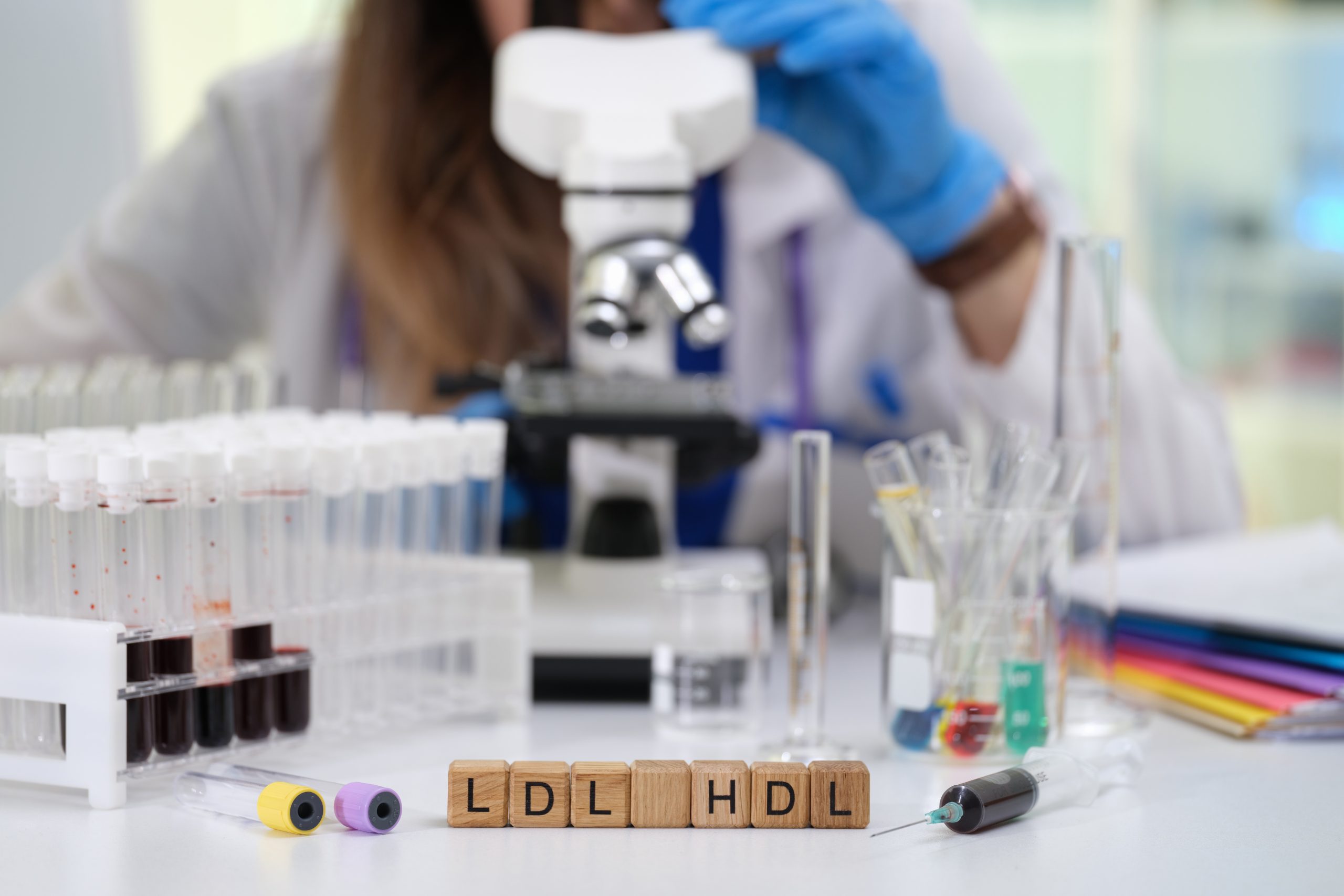
What is HDL Cholesterol?
HDL (High-Density Lipoprotein) is a type of cholesterol that helps remove excess cholesterol from the bloodstream and artery walls. I usually explain to patients that HDL acts like a “clean-up team,” carrying cholesterol away from the arteries back to the liver, where it is processed and removed from the body.
Higher HDL levels are generally associated with a lower risk of heart disease.
Why HDL Matters
When HDL levels are low, cholesterol is more likely to build up in blood vessels. Over time, this can increase the risk of:
- Heart disease
- Stroke
- Blocked arteries
- Peripheral vascular disease
- Vascular dementia (Alzheimers disease, cognitive declined)
In many patients I see, low HDL often appears alongside high triglycerides, especially in those with sedentary lifestyles or metabolic conditions.
What is a Healthy HDL Level?
While exact targets may vary slightly between labs:
- Men:HDL above 1.0 mmol/L is generally desirable
- Women:HDL above 1.2 mmol/L is preferred
- Higher levels are often considered protective
However, HDL is only one part of the overall lipid profile.
Common Causes of Low HDL
In practice, low HDL is often linked to:
- Lack of physical activity
- Smoking
- Excess weight, especially abdominal fat
- Uncontrolled diabetes
- Diet high in refined carbohydrates and trans fats
How to Improve HDL Naturally
I usually advise patients to focus on sustainable lifestyle changes rather than quick fixes:
Regular Exercise
Brisk walking, cycling, or swimming for at least 150 minutes per week can help raise HDL levels.
Healthy Fats
Include:
- Olive oil
- Nuts
- Avocados
- Fatty fish (salmon, sardines)
Reduce Sugary Foods
High sugar intake can lower HDL and raise triglycerides.
Stop Smoking
Smoking significantly reduces HDL and damages blood vessels.
Maintain Healthy Weight
Even a modest weight reduction can improve HDL levels.
When Should You See a Doctor?
I recommend further evaluation if:
- HDL is consistently low in repeated tests
- There are other abnormal lipid values
- You have risk factors like diabetes, hypertension, or family history of heart disease
A full cardiovascular risk assessment may be needed.
Doctor's Insight
HDL is not just a number on a report—it reflects how well your body manages cholesterol balance. In my experience, improving HDL is less about medication alone and more about consistent lifestyle habits that protect long-term heart health.
– Dr. Balavendrian Anthony
Physician | Palliative Care
International Health
Screening Centre
Evercare Medical Care Centre, Penang, Malaysia.
Frequently Asked Questions
What does HDL do in the body?
HDL helps remove excess cholesterol from blood vessels and transports it back to the liver.
Is low HDL dangerous?
Low HDL can increase the risk of heart disease, dementia cognitive decline especially when combined with other risk factors.
Can diet increase HDL?
Yes, healthy fats, reduced sugar intake, and balanced nutrition can help improve HDL.
Do medications increase HDL?
Some medications may help, but lifestyle changes are usually the first approach. But one must remember medication has side effect and proper monitoring needed. Life style vs medication.