
High Creatinine: What Does It Mean and When Should You Be Concerned?
Many of my patients become anxious after seeing the word “creatinine” highlighted in their blood test report. A common question I hear is, “Doctor, does this mean my kidneys are failing?”
The answer is not always. Creatinine is an important marker of kidney function, but it should never be interpreted on its own. Understanding what it represents can help you make informed decisions about your health.
What Is Creatinine?
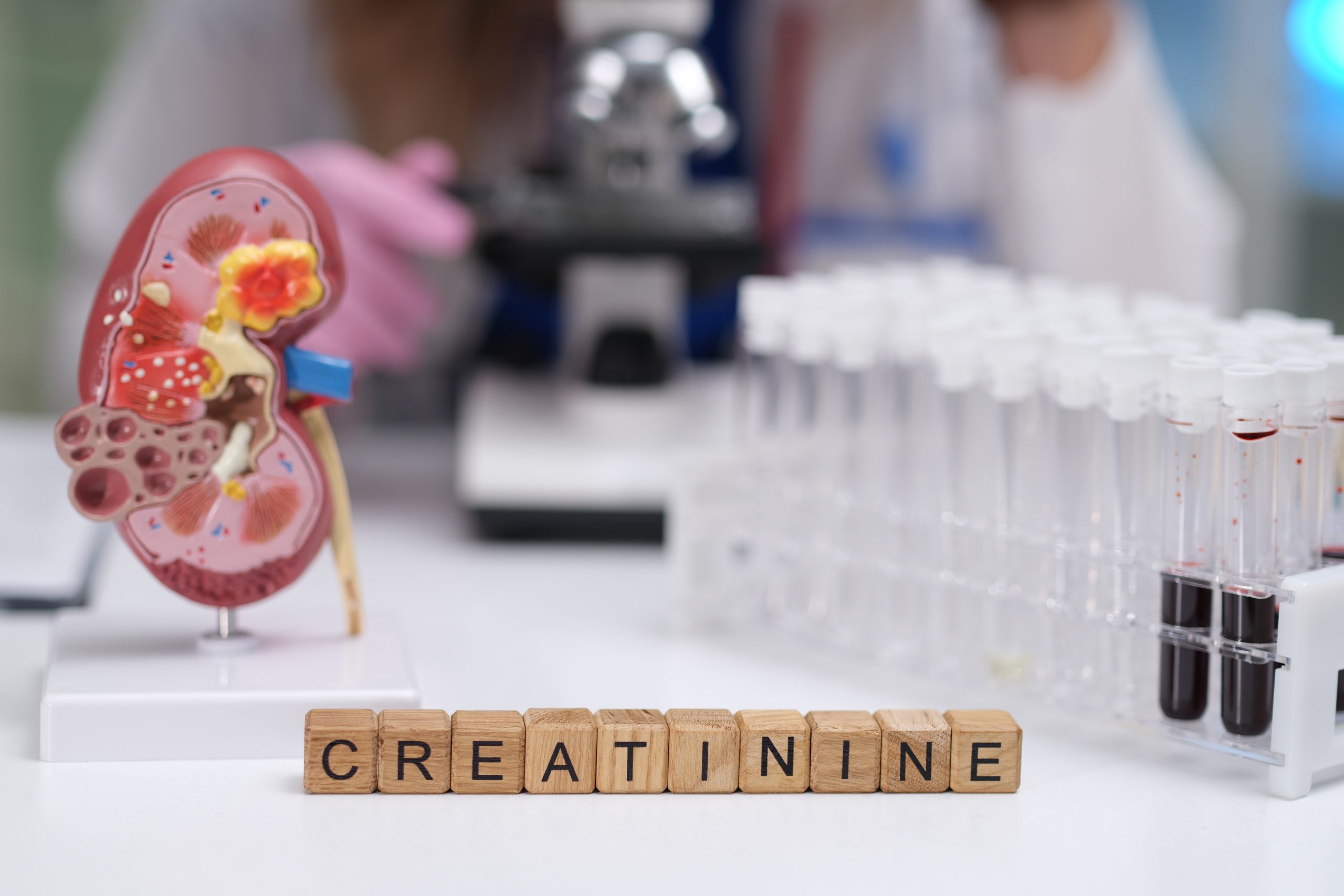
Creatinine is a waste product produced naturally by your muscles during everyday activity. Healthy kidneys filter creatinine from the blood and remove it through urine.
Because the kidneys are responsible for clearing creatinine, measuring its level in the blood gives us an idea of how well the kidneys are functioning.
What Is a Normal Creatinine Level?
Someone with greater muscle mass may naturally have a slightly higher creatinine level than someone who is smaller or elderly.
For this reason, doctors often assess kidney function using estimated glomerular filtration rate (eGFR) together with creatinine rather than relying on a single number.
Why Can Creatinine Be High?
An elevated creatinine level does not always indicate permanent kidney disease.
Possible causes include:
- Dehydration
- Kidney infection
- Chronic kidney disease
- Certain medications
- Urinary tract obstruction
- Uncontrolled diabetes
- High blood pressure
- Temporary kidney stress from illness
- Very intense exercise in some individuals
The underlying cause determines whether the condition is temporary or requires long-term management.
Are There Symptoms?
One challenge with kidney disease is that early stages often produce no symptoms.
As kidney function declines, patients may notice:
- Swelling of the legs or ankles
- Fatigue
- Reduced appetite
- Nausea
- Changes in urination
- High blood pressure
- Shortness of breath in advanced disease
This is why routine health screening is so valuable.
How Do Doctors Investigate High Creatinine?
If creatinine is elevated, further assessment may include:
- Repeat blood tests
- eGFR calculation
- Urine analysis
- Urine protein testing
- Blood pressure assessment
- Kidney ultrasound when indicated
- Review of medications and medical history
These investigations help determine whether the abnormality is temporary or part of an ongoing kidney condition.
Can Creatinine Be Lowered?
The goal is not simply to reduce the number but to treat the underlying cause.
Management may include:
- Staying adequately hydrated (unless fluid restriction is advised)
- Controlling blood pressure
- Managing diabetes effectively
- Avoiding unnecessary use of certain painkillers, particularly NSAIDs
- Maintaining a healthy weight
- Following medical advice regarding diet when kidney disease is present
- Regular follow-up if kidney impairment is confirmed
When You Should See a Doctor
Seek medical evaluation if:
- Your creatinine is above the normal range.
- You have diabetes or hypertension.
- You notice swelling, reduced urine output, or persistent fatigue.
- You have a family history of kidney disease.
- Your blood test repeatedly shows abnormal kidney function.
Doctor's Insight
In my practice, I remind patients that creatinine is a clue—not a diagnosis. A single abnormal result should be interpreted alongside your overall health, symptoms, medical history, and additional investigations. Early evaluation can identify kidney problems before significant damage occurs, allowing timely treatment and better long-term outcomes.
– Dr. Balavendrian Anthony
Physician | Palliative Care
Evercare Medical Care Centre, Penang, Malaysia.
Frequently Asked Questions
What is creatinine?
A waste product produced by muscles that is filtered from the blood by the kidneys.
Does high creatinine always mean kidney disease?
No. Temporary conditions such as dehydration or certain medications can also increase creatinine levels.
Can dehydration raise creatinine?
Yes. Dehydration can temporarily reduce kidney filtration and increase creatinine.
What is eGFR?
Estimated glomerular filtration rate (eGFR) is a calculation based on creatinine and other factors that provides a better estimate of kidney function.
Can kidney disease occur without symptoms?
Yes. Many people have no symptoms until kidney disease has progressed.
When should I seek medical advice?
If your creatinine is elevated, especially if you have diabetes, high blood pressure, swelling, or repeated abnormal blood test results. Renal stone. Ultrasound abdomen and pelvic