
High Triglycerides: What I Explain to My Patients in Clinic
In my daily practice, I often see patients surprised when I tell them their triglyceride level is high—even when their cholesterol looks “not too bad.” Triglycerides are a type of fat found in the blood, and when they are elevated, they can quietly increase the risk of heart disease, fatty liver, and metabolic syndrome over time.
Many patients don’t feel any symptoms, which is why this condition is often detected only during routine blood tests.
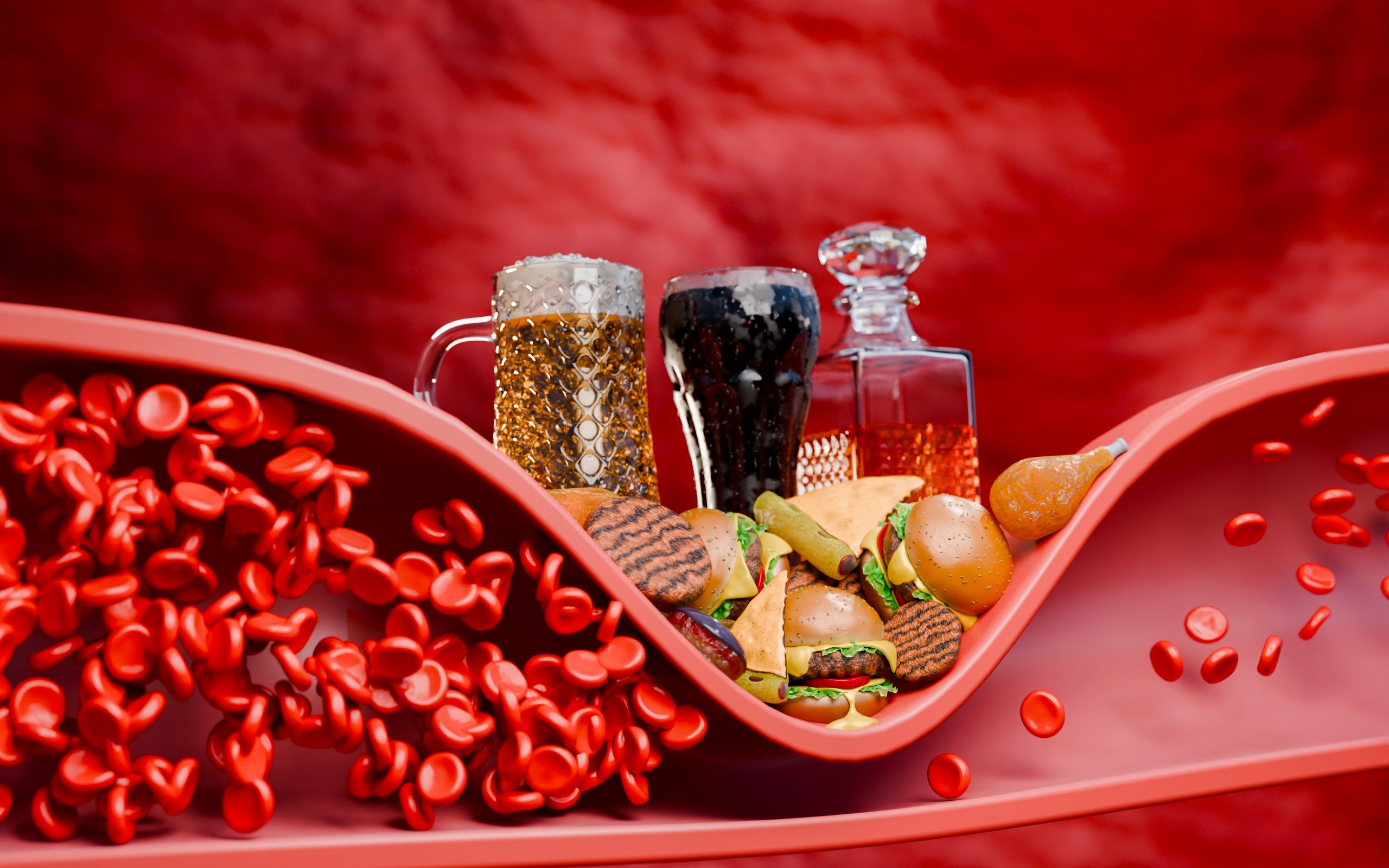
What Are Triglycerides?
Triglycerides are fats that come from two main sources:
- The food we eat (especially carbohydrates and fats)
- Excess calories that the body stores for energy
When we consistently consume more calories than we burn, the body converts the excess into triglycerides and stores them in fat cells.
Causes of High Triglycerides
In clinic, the most common causes I see include:
- High intake of sugary foods and drinks
- Frequent consumption of refined carbohydrates (white rice, noodles, bread)
- Alcohol intake
- Lack of physical activity
- Obesity or excess weight
- Poorly controlled diabetes
- Certain medications
Why High Triglycerides Matter
High triglycerides are not just a lab number. Over time, they are linked to:
- Increased risk of heart disease
- Stroke risk when combined with other lipid abnormalities
- Fatty liver disease
- Insulin resistance and type 2 diabetes
- Pancreatitis (in very high levels)
Symptoms (Often Silent)
Most patients with high triglycerides do not have symptoms. This is why it is often called a “silent risk factor.”
In severe cases, patients may develop fatty liver or symptoms related to metabolic syndrome.
When to Seek Medical Evaluation
I usually advise patients to get checked if they have:
- A family history of heart disease
- Diabetes or prediabetes
- Unexplained weight gain
- Fatty liver on ultrasound
- Previous abnormal lipid results
- Alcoholic, chronic pancreatitis
How to Lower Triglycerides
From my clinical experience, the most effective strategies include:
Reduce sugar and refined carbs
This is often the biggest contributor.
Increase physical activity
Even brisk walking 30 minutes daily makes a difference.
Lose excess weight gradually
Even 5–10% weight reduction can significantly improve levels.
Limit alcohol
Alcohol can raise triglycerides rapidly in sensitive individuals.
Improve dietary fat quality
Choose healthier fats like fish, nuts, and olive oil.
Medication (if needed)
In some patients, especially with very high levels, medication may be required alongside lifestyle changes.
Doctor's Insight
In my experience, triglycerides respond very well to lifestyle changes when addressed early. The challenge is that patients often ignore them because they do not cause symptoms. But early action can significantly reduce long-term cardiovascular risk.
– Dr. Balavendrian Anthony
Physician | Palliative Care
International Health
Screening Centre
Evercare Medical Care Centre, Penang, Malaysia.
Frequently Asked Questions
What is a normal triglyceride level?
Generally, less than 1.7 mmol/L is considered normal.
Can stress increase triglycerides?
Indirectly, yes—stress can affect eating habits and metabolism.
Can I lower triglycerides without medication?
Yes, many cases improve significantly with lifestyle changes.
Are triglycerides more important than cholesterol?
Both matter and should be interpreted together.
How fast can triglycerides improve?
With consistent changes, improvements can be seen in a few weeks to months.