
TSH (Thyroid Stimulating Hormone) Explained
In my clinical practice, one of the most common blood tests I review is the thyroid function test, and within it, TSH often gives us the earliest clue that something may be off with the thyroid gland. Many patients come to me feeling tired, gaining or losing weight unexpectedly, or experiencing palpitations, and they are surprised when a simple TSH test provides important answers.
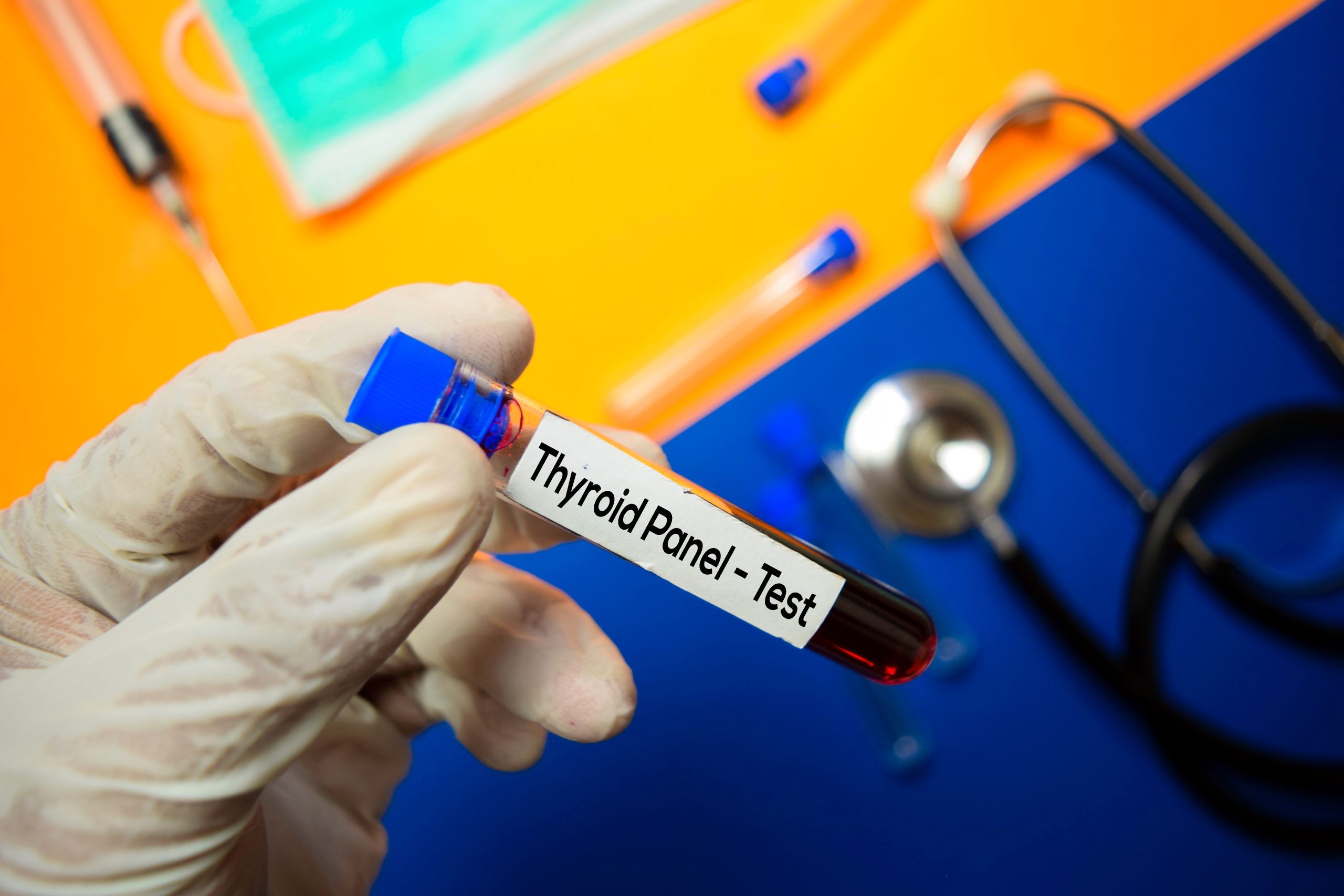
What is TSH?
TSH, or Thyroid Stimulating Hormone, is produced by the pituitary gland in the brain. Its role is to regulate how much thyroid hormone your thyroid gland produces. Think of it as a “messenger” that tells the thyroid when to work harder or slow down.
When thyroid hormone levels drop, TSH rises to stimulate more production. When thyroid hormone levels are high, TSH drops to reduce stimulation.
What Does High TSH Mean?
In many cases, a high TSH level suggests an underactive thyroid (hypothyroidism). Patients may experience:
- Fatigue and low energy
- Weight gain
- Feeling cold easily
- Dry skin
- Constipation
- Slow heart rate
As a doctor, I often find that symptoms develop gradually, so patients may not notice them until blood tests are done.
What Does Low TSH Mean?
A low TSH level often suggests an overactive thyroid (hyperthyroidism). Common symptoms include:
- Unexplained weight loss
- Anxiety or irritability
- Rapid heartbeat or palpitations
- Tremors
- Heat intolerance
- Difficulty sleeping
Even mild changes can significantly affect daily life and heart health.
Is TSH Alone Enough for Diagnosis?
In my experience, TSH is a very sensitive marker but not used alone. If results are abnormal, I usually recommend additional tests such as Free T4 and Free T3 to understand thyroid function more clearly.
When Should You See a Doctor?
I advise patients to seek evaluation if they experience persistent symptoms such as unexplained fatigue, mood changes, weight fluctuations, or neck swelling. Early testing helps prevent complications and allows timely treatment and ultrasound thyroid.
Doctor's Insight
TSH is a small hormone with a big role. I often remind patients that subtle symptoms should not be ignored, especially when they persist. A simple blood test can provide clarity and guide effective treatment.
– Dr. Balavendrian Anthony
Physician | Palliative Care
International Health
Screening Centre
Evercare Medical Care Centre, Penang, Malaysia.
Frequently Asked Questions
What is TSH?
A hormone from the thyroid that controls thyroid activity.
Is high TSH dangerous?
It may indicate hypothyroidism and should be evaluated, but is usually manageable.
Can stress affect TSH levels?
Stress may influence hormone balance, but it is not the sole cause.
Do I need fasting for a TSH test?
No, fasting is generally not required.
Can TSH levels change naturally?
Yes, they may fluctuate slightly, so repeat testing is sometimes needed.