
Understanding Non-HDL Cholesterol: What I Look At Beyond LDL in Heart Risk Assessment
When I review a patient’s cholesterol report, I rarely look at LDL alone. One of the most important values I focus on is non-HDL cholesterol, because it gives me a clearer picture of a patient’s overall heart disease risk.
In my clinical experience, many patients are surprised when I explain that even if their LDL looks “acceptable,” their cardiovascular risk may still be elevated if non-HDL cholesterol is high.
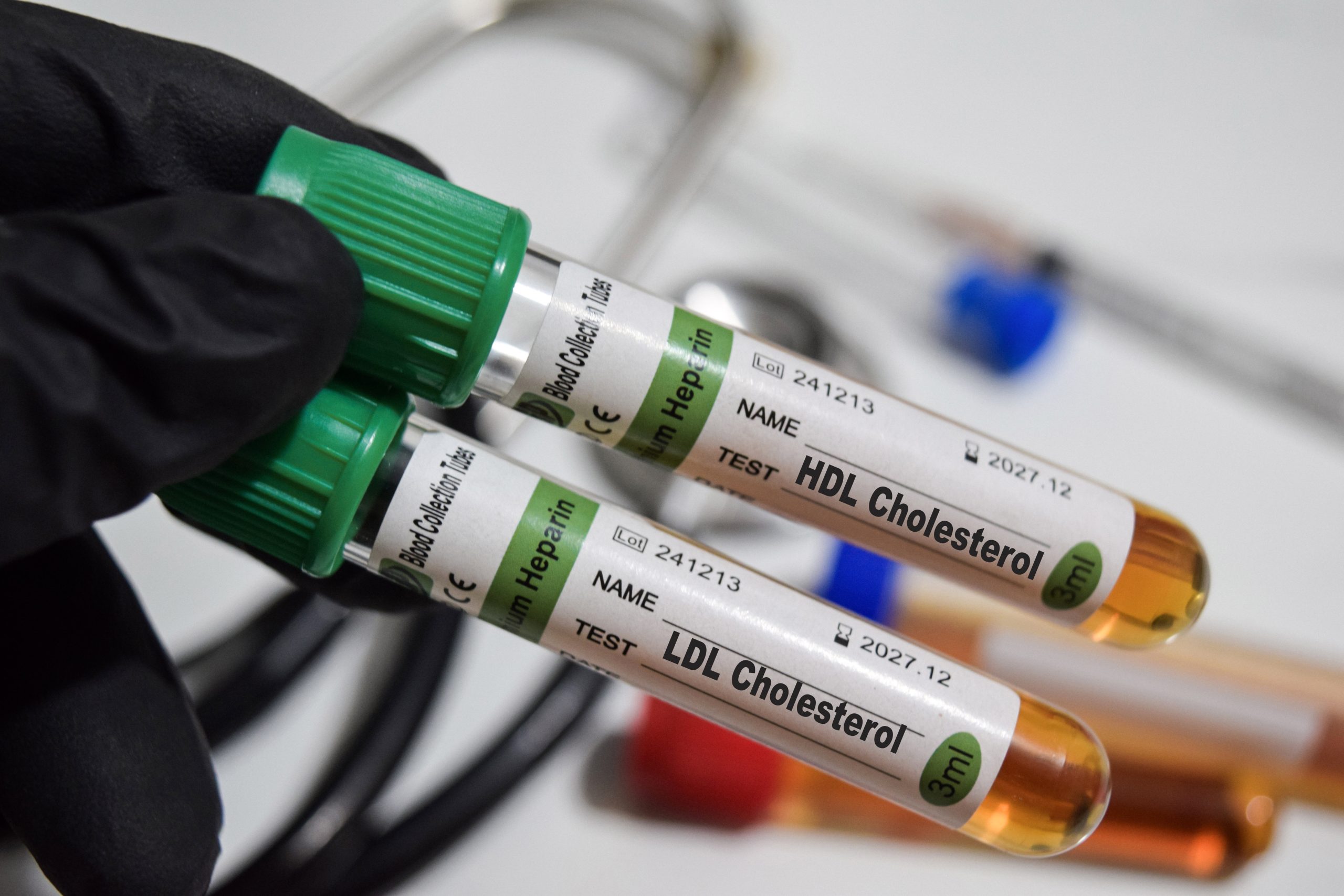
What is Non-HDL Cholesterol?
Non-HDL Cholesterol refers to all the “bad” cholesterol particles in the blood that can contribute to plaque buildup in arteries.
It is calculated simply:
Total cholesterol – HDL (good cholesterol) = Non-HDL cholesterol, ALP Atherosclerosis index
Unlike LDL alone, non-HDL includes:
- LDL cholesterol
- VLDL
- IDL
- Lipoprotein(a)
- Triglycerides
- Atherosclerosis index , increase cardiovascular disease
This is why I often describe it to patients as the “all-in-one risk number.”
Why Non-HDL Matters More in Real Life
In clinic, I often see patients with:
- Normal LDL
- But elevated triglycerides
- Or metabolic syndrome
In these cases, LDL alone can underestimate risk. Non-HDL captures all atherogenic particles, making it more reliable, especially in patients with diabetes, obesity, or insulin resistance.
From a doctor’s perspective, it is a stronger predictor of heart attack and stroke risk in many real-world patients.
What Are Normal Levels?
General targets I use in practice:
- Low risk:< 3.4 mmol/L
- Moderate risk:< 4.1 mmol/L
- High risk patients (diabetes/heart disease):even lower targets are recommended
However, targets should always be individualized based on overall cardiovascular risk.
Why Non-HDL Can Be High
Common causes I see include:
- High intake of saturated fat and processed food
- Excess body weight
- Diabetes or prediabetes
- Lack of physical activity
- Genetic cholesterol disorders
Many patients are surprised to learn that even “healthy-looking” individuals can have high non-HDL due to genetics.
When Should You Be Concerned?
I usually advise further evaluation when:
- Non-HDL is persistently elevated
- There is family history of early heart disease
- Patient has diabetes or high blood pressure
- There are multiple metabolic risk factors
It is not just a number—it reflects long-term artery health.
How to Lower Non-HDL Cholesterol
In my practice, I typically recommend a stepwise approach:
Dietary changes
- Avoid saturated fatty acid (fat butter, whole milk)
- Increase fiber (vegetables, oats, legumes)
- Choose healthier fats (fish, nuts, olive oil)
Weight management
Even a 5–10% weight reduction can significantly improve lipid profile.
Exercise
At least 150 minutes of moderate activity per week improves cholesterol metabolism.
Medical treatment
In some cases, medication such as statins is necessary, especially for high-risk patients.
When to Seek Medical Evaluation
I encourage patients to get a full cardiovascular risk assessment if:
- Cholesterol results are abnormal
- There is chest discomfort or shortness of breath
- Strong family history of heart disease
- Existing diabetes or hypertension
- Reflux gastritis
Early detection allows us to prevent long-term complications.
Doctor's Insight
In modern preventive cardiology, I rely heavily on non-HDL cholesterol because it gives a more complete and practical view of cardiovascular risk than LDL alone.
It is a simple number—but it carries powerful meaning about artery health over time.
– Dr. Balavendrian Anthony
Physician | Palliative Care
International Health
Screening Centre
Evercare Medical Care Centre, Penang, Malaysia.
Frequently Asked Questions
Is non-HDL cholesterol better than LDL?
Yes, in many patients it gives a more complete risk picture.
Can I have normal LDL but high non-HDL?
Yes, especially in diabetes or high triglyceride cases.
Does high non-HDL mean I need medication?
Not always. It depends on overall cardiovascular risk.
How can I reduce it?
Lifestyle changes such as diet, exercise, and weight control are first-line.
Is it part of a standard blood test?
Yes, it is calculated from a standard lipid profile.