
Red Cell Count (RCC): Understanding This Important Blood Test Measurement
As a doctor, one of the common questions I receive after a health screening or blood test is, “Doctor, my Red Cell Count is high or low. What does it mean?”
Red Cell Count (RCC), also known as red blood cell count, is one of the measurements included in a Full Blood Count (FBC). It provides information about the number of red blood cells circulating in your bloodstream.
Red blood cells play an important role in carrying oxygen from the lungs to the rest of the body. When the number of red blood cells is outside the expected range, it may provide clues about your overall health.
What Is Red Cell Count (RCC)?
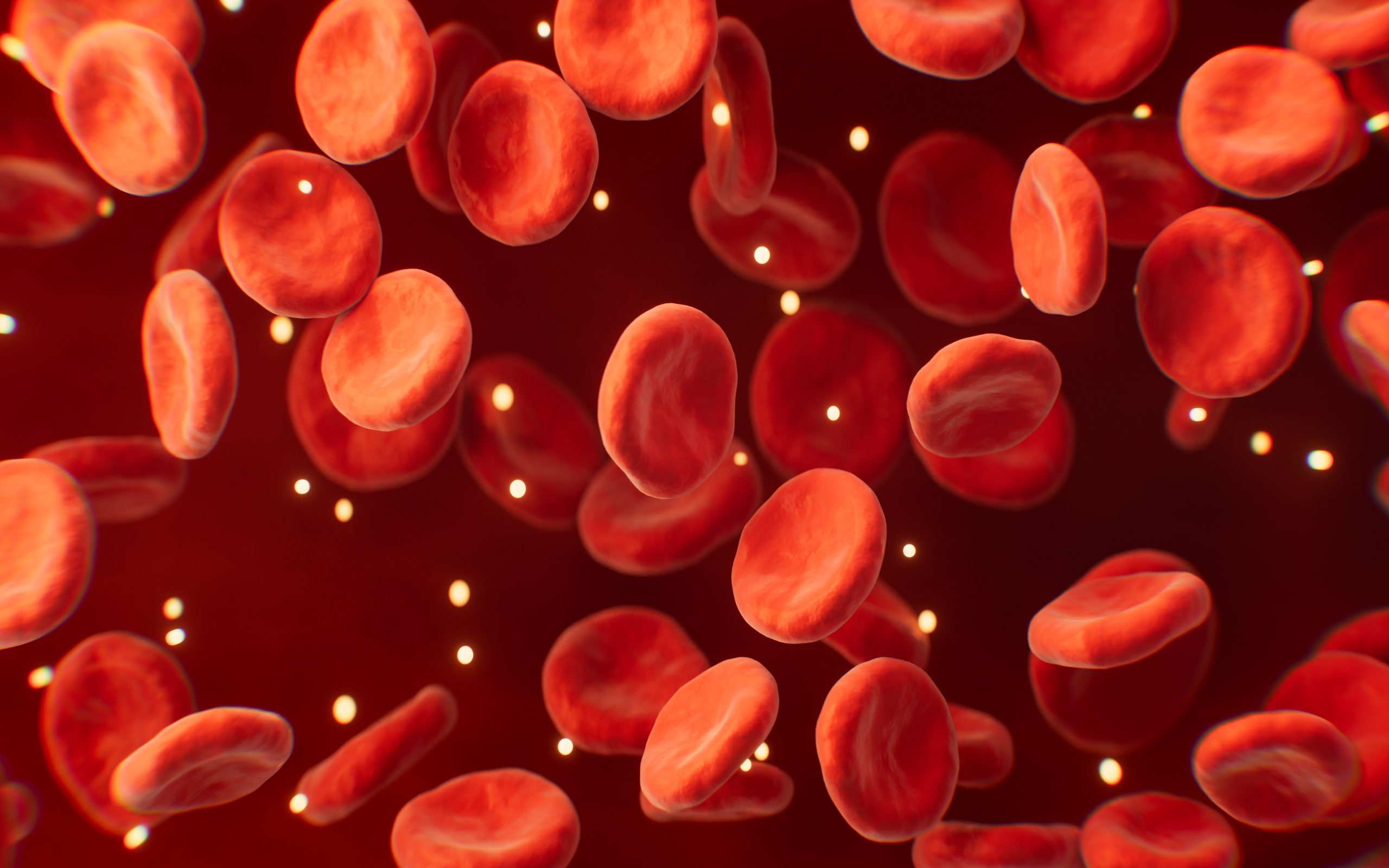
Red Cell Count measures the number of red blood cells present in a specific volume of blood.
Red blood cells contain haemoglobin, a protein that carries oxygen. Having enough healthy red blood cells helps ensure that your organs and tissues receive adequate oxygen.
Doctors usually interpret RCC together with other blood measurements, such as:
- Haemoglobin level
- Haematocrit
- Mean Corpuscular Volume (MCV)
- Other markers from the Full Blood Count
- CRP
A single RCC result does not always indicate a disease. It needs to be assessed together with your symptoms, medical history, and other test findings.
What Does a Low Red Cell Count Mean?
A low RCC may occur when the body does not have enough red blood cells.
Some possible causes include:
- Iron deficiency
- Vitamin deficiencies
- Blood loss
- Certain chronic medical conditions
- Problems affecting blood cell production
- Cancer diseases
- Chronic diseases
Some people may experience symptoms such as tiredness, reduced energy, dizziness, or shortness of breath, although mild changes may not cause obvious symptoms.
What Does a High Red Cell Count Mean?
A higher-than-expected RCC may happen when the body produces more red blood cells than usual.
Possible reasons include:
- Dehydration, which can temporarily affect blood concentration
- Living at high altitude where oxygen levels are lower
- Certain medical conditions affecting oxygen levels or blood production
- Cancer
A high RCC result should be interpreted carefully because the cause can vary from temporary changes to conditions requiring further assessment.
When Should You Seek Medical Evaluation?
I recommend discussing your blood test results with a doctor if:
- Your RCC result is significantly outside the reference range
- You experience persistent fatigue, weakness, or breathing difficulties
- Your blood test shows multiple abnormal results
- You have a history of medical conditions affecting blood production
Rather than focusing on one number alone, doctors look at the complete picture to understand what the result means for your health.
Doctor's Insight
In my clinical practice, I often remind patients that a blood test result is not a diagnosis by itself. RCC is one important piece of information that helps doctors understand how your body is functioning.
– Dr. Balavendrian Anthony
Physician | Palliative CareInternational Health
Screening CentreEvercare Medical Care Centre, Penang, Malaysia.
Frequently Asked Questions
What is RCC in a blood test?
RCC stands for Red Cell Count. It measures the number of red blood cells in your bloodstream.
Why do doctors check RCC?
Doctors use RCC as part of a Full Blood Count to assess blood health and oxygen-carrying capacity.
Does abnormal RCC always mean I have a disease?
Not necessarily. RCC results can be affected by many factors, and doctors interpret the result together with other findings.
Should I worry if my RCC is slightly abnormal?
Small changes may not always indicate a serious problem. It is best to discuss the result with your doctor based on your overall health.
Is HBsAb enough to confirm immunity?
It is part of the picture, but should be interpreted with other Hepatitis B markers.