
Total Cholesterol – What I Explain to My Patients
In my daily practice, I often see patients surprised when their blood test shows “high cholesterol,” especially when they feel completely well. One of the most misunderstood results is total cholesterol, because many assume it is a single number that tells the whole story. In reality, it is only a summary of several types of cholesterol that affect your heart in different ways.
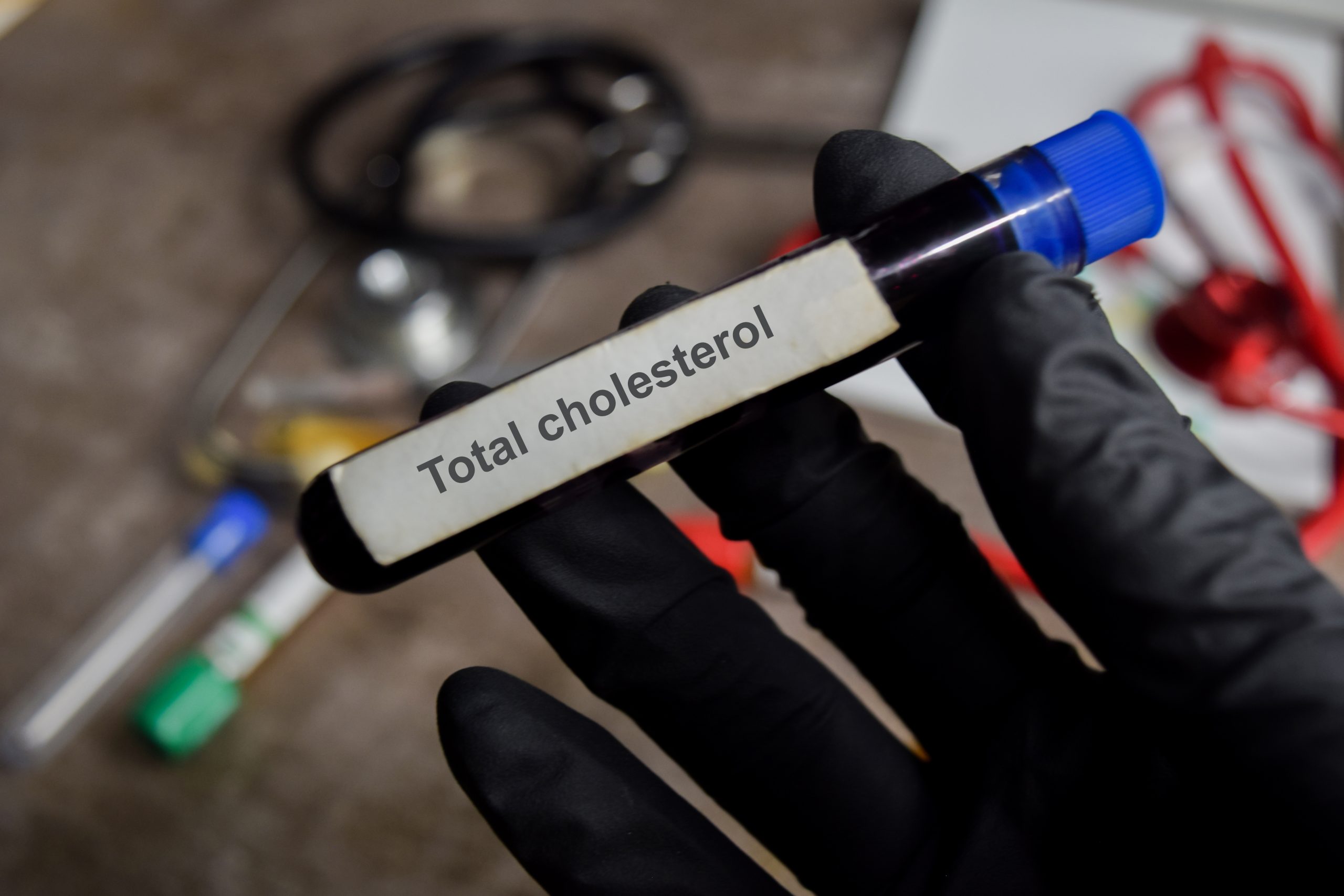
What Is Total Cholesterol?
Total cholesterol is the combined measurement of:
- LDL cholesterol (often called “bad cholesterol”)
- HDL cholesterol (the “good cholesterol”)
- A portion of triglycerides
When I explain this to patients, I often say: total cholesterol is like the “overview score,” but not the full story.
Why Cholesterol Matters
Cholesterol itself is not harmful. It is a fat that your body needs to build cells and produce hormones. The problem begins when there is too much LDL cholesterol circulating in the blood. Over time, this can stick to blood vessel walls and form plaques.
These plaques can slowly narrow the arteries, increasing the risk of:
- Heart attack
- Stroke
- Peripheral artery disease
The concerning part is that high cholesterol usually causes no symptoms until complications occur.
Understanding Your Numbers
In general clinical practice, I interpret cholesterol results in context:
- Total cholesterol:should ideally be below 5.2 mmol/L (varies by risk factors)
- LDL cholesterol:the most important target for reduction
- HDL cholesterol:higher levels are protective
- Triglycerides:influenced by diet, sugar intake, and alcohol
I always remind patients that treatment decisions are not based on total cholesterol alone, but on the full lipid profile and individual risk factors.
Who Is at Risk of High Cholesterol?
From what I commonly see, higher risk is associated with:
- Family history of heart disease
- Diabetes or prediabetes
- High blood pressure
- Sedentary lifestyle
- Diet high in saturated and trans fats
- Smoking
Even younger adults can have abnormal cholesterol without knowing it.
When Should You Be Concerned?
You should consider medical evaluation if:
- Your total cholesterol is elevated on repeated tests
- LDL cholesterol is above target range
- You have additional risk factors like diabetes or hypertension
- There is a family history of early heart disease
In many cases, I recommend further cardiovascular risk assessment rather than relying on a single number.
How We Manage High Cholesterol
Management depends on the level of risk. In my practice, we usually start with:
- Improving diet (reducing fried and processed foods)
- Increasing physical activity
- Weight management
Medical treatment (if needed)
- Statin medications may be prescribed when risk is significant
- Regular monitoring of lipid levels
It is important to understand that medication is not a failure—it is sometimes necessary protection for the heart.
Doctor's Insight
I often remind patients that cholesterol management is not about a single test result—it is about long-term protection of the heart and blood vessels. The earlier we identify abnormalities, the more effective prevention becomes.
If there is one message I want patients to remember, it is this: you can feel healthy today but still have silent risk developing inside your arteries. Screening is what helps us catch it early.
– Dr. Balavendrian Anthony
Physician | Palliative Care
International Health
Screening Centre
Evercare Medical Care Centre, Penang, Malaysia.
Frequently Asked Questions
Is high cholesterol dangerous?
Yes, if left untreated, it increases risk of heart disease and stroke.
Can I feel high cholesterol?
No, it usually has no symptoms.
Can diet alone reduce cholesterol?
It helps, but some patients may still need medication.
What is the most important cholesterol type?
LDL cholesterol is the main target for treatment.
How often should I check cholesterol?
Generally every 1–3 years, depending on risk factors.