
What Is Albumin? A Doctor Explains Why This Protein Matters
Many patients become concerned after receiving their blood test results because they notice their albumin level is lower than normal. One of the first questions I often hear is, “Doctor, what exactly is albumin, and should I be worried?”
Albumin is one of the most important proteins made by the liver. Although it rarely receives as much attention as cholesterol or blood sugar, it plays a vital role in maintaining overall health.
What Does Albumin Do?
Albumin has several important functions:
- Maintains fluid balance within blood vessels
- Transports hormones, vitamins, medications, and minerals throughout the body
- Helps carry nutrients to different organs
- Supports tissue repair and healing
- Contributes to maintaining normal blood volume
Without sufficient albumin, fluid may leak into surrounding tissues, leading to swelling.
What Causes Low Albumin?
Low albumin, also known as hypoalbuminemia, is usually not a disease by itself. Instead, it often signals an underlying medical condition.
Common causes include:
- Liver disease, where albumin production decreases
- Kidney disease, causing albumin to leak into urine
- Chronic inflammation or infection
- Poor nutrition or inadequate protein intake
- Digestive disorders that reduce nutrient absorption
- Certain cancers
Severe burns or major injuries
What Symptoms Can Occur?
Some people have no symptoms, especially if the reduction is mild.
Others may experience:
- Swelling of the legs or ankles
- Puffiness around the eyes
- Fatigue
- Muscle weakness
- Poor wound healing
- Fluid accumulation in the abdomen in more severe cases
These symptoms often reflect the underlying illness rather than the albumin level alone.
How Is Albumin Measured?
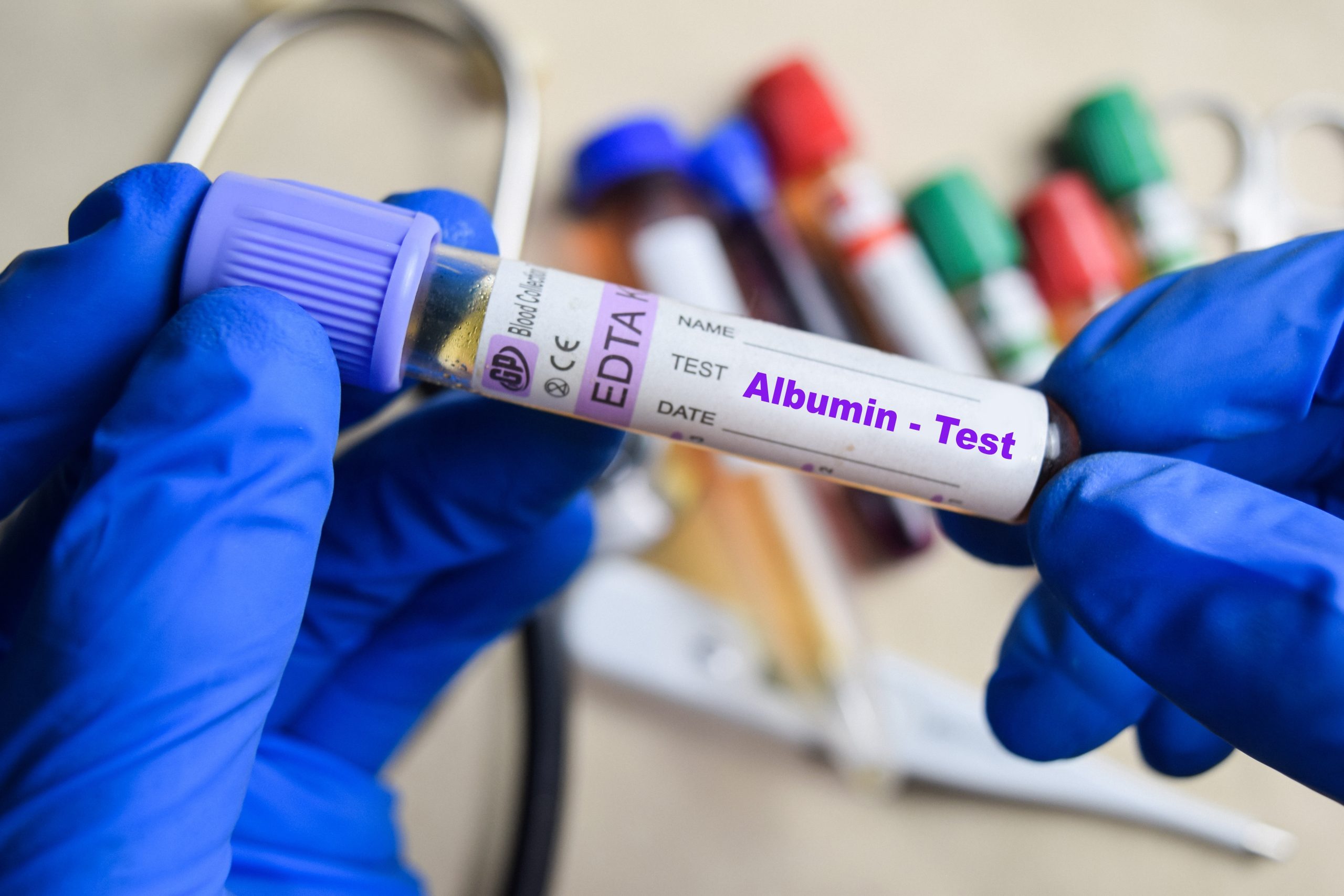
Albumin is measured through a simple blood test and is commonly included in liver function tests or comprehensive health screenings.
If your level is low, your doctor may recommend additional investigations such as:
- Liver function tests
- Kidney function tests
- Urine protein analysis
- Nutritional assessment
- Tests to identify inflammation or infection
The goal is to identify the underlying cause rather than simply treating the number.
Can Albumin Be Increased?
Treatment depends on why the albumin is low.
Management may include:
- Treating liver or kidney disease
- Improving nutritional intake
- Managing chronic inflammation
- Treating infections
- Addressing digestive conditions affecting nutrient absorption
Simply eating more protein may help in some situations but is not always enough if an underlying medical condition is present.
When You Should See a Doctor
Medical evaluation is recommended if:
- Your blood test shows persistently low albumin
- You develop swelling of the legs or abdomen
- You have unexplained fatigue or weight loss
- You have known liver or kidney disease
- You experience persistent digestive symptoms
Early evaluation helps identify the cause and allows appropriate treatment before complications develop.
Doctor's Insight
In my practice, low albumin is often a clue rather than the diagnosis itself. While many people focus only on whether the number is normal, the more important question is why it has changed. Understanding the underlying cause allows us to provide the most appropriate care and prevent future health problems.
– Dr. Balavendrian Anthony
Physician | Palliative Care
International Health
Screening Centre
Evercare Medical Care Centre, Penang, Malaysia.
Frequently Asked Questions
What is albumin?
Albumin is the most abundant protein in the blood. It is produced by the liver and helps maintain fluid balance, transport substances throughout the body, and support tissue repair.
Is low albumin dangerous?
Low albumin itself is not always dangerous, but it may be a sign of an underlying medical condition that requires evaluation.
What causes low albumin?
Common causes include liver disease, kidney disease, chronic inflammation, infections, poor nutrition, digestive disorders, and certain chronic illnesses.
Can food increase albumin?
A balanced diet with adequate protein may help if poor nutrition is the cause. However, dietary changes alone may not correct low albumin if an underlying disease is present.
What symptoms should I watch for?
Swelling of the legs or abdomen, fatigue, muscle weakness, poor wound healing, and unexplained weight changes should be assessed by a healthcare professional.
When should I see a doctor?
If your albumin remains low on repeat blood tests or you develop symptoms such as swelling, persistent fatigue, or unexplained weight loss, seek medical evaluation.