
Why Many Diseases Are First Discovered During Routine Health Screening
In my daily practice, one of the most common reactions I see from patients is surprise: “Doctor, I feel completely fine—how can something be wrong?” This is a very real and understandable response. Many medical conditions develop quietly, without obvious symptoms, which is why routine health screening plays such an important role in early detection.
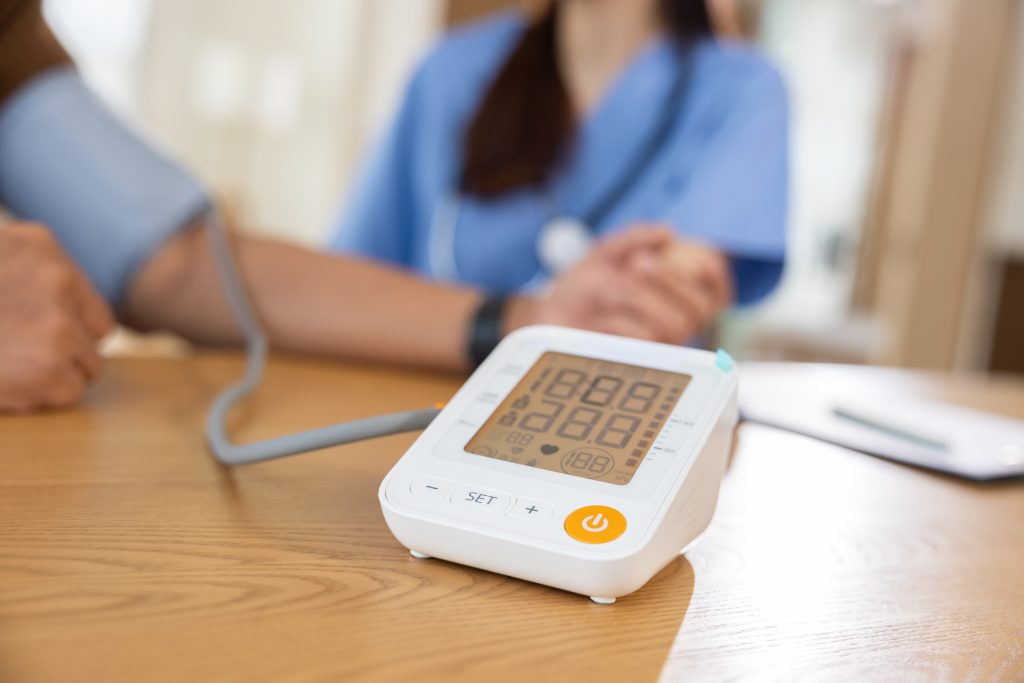
Why Some Diseases Do Not Show Symptoms Early
From a medical perspective, not all diseases cause immediate discomfort. Conditions such as high blood pressure, diabetes, and early-stage kidney disease can progress silently. The body often adapts to gradual changes, which means patients may not notice anything unusual until the condition becomes more advanced.
This is what we refer to as “silent diseases.” By the time symptoms appear, the condition may already require more complex management.
In clinical practice, treatment is essential—but it often comes after the body has already been affected.
What Routine Screening Actually Detects
Routine health screening allows us to identify early changes in the body before symptoms develop. In my clinical experience, screening commonly helps detect:
- Elevated blood sugar levels (early diabetes)
- High cholesterol
- High blood pressure
- Early kidney or liver abnormalities
- Certain cancers at an early stage
These findings are often unexpected for patients who otherwise feel healthy.
Why Patients Feel ‘Normal’ Despite Having a Condition
One important point I often explain is that “feeling normal” does not always reflect what is happening internally. The human body is very good at compensating.
For example, blood pressure can remain high for years without causing noticeable symptoms. Similarly, early diabetes may not cause pain or discomfort but can still affect blood vessels over time.
Routine screening gives us objective data—numbers and results that reveal what symptoms cannot.
The Advantage of Early Detection
From a doctor’s perspective, early detection changes everything.
When we identify a condition early:
- Treatment is often simpler and more effective
- Lifestyle changes may be enough to control the condition
- The risk of complications is significantly reduced
I often reassure patients that discovering a condition early is not bad news—it is actually an opportunity to take control of their health.
When Should You Consider Routine Screening?
In general, I advise adults to consider regular health screening even if they feel well, especially if they:
- Are above 30–40 years old
- Have a family history of chronic diseases
- Lead a sedentary lifestyle
- Have risk factors such as obesity or smoking
The exact frequency depends on individual risk, which is why a doctor’s consultation is important.
Doctor’s Insight
One of the most important lessons I share with my patients is this: absence of symptoms does not always mean absence of disease. Routine health screening is not about finding problems—it is about protecting your future health.
– Dr. Balavendrian Anthony
Physician | Palliative Care
Evercare Medical Care Centre, Penang, Malaysia.
Frequently Asked Questions
If I feel healthy, do I still need screening?
Yes. Many conditions do not cause symptoms early.
What are silent diseases?
Conditions like high blood pressure and diabetes that develop without noticeable signs.
How often should I get screened?
This depends on age and risk factors, but generally every 1–2 years for adults.
Is early detection really important?
Yes. It allows simpler treatment and reduces complications.