
Type 2 Diabetes: Treat the Root Cause Before Rushing Into Insulin
In my practice, one of the most common concerns I hear from patients with Type 2 diabetes is, “Doctor, do I need insulin?” Many patients worry that insulin means their diabetes has become very serious, or that once they start insulin, they can never stop.
The truth is more balanced.
Insulin is an important and sometimes life-saving treatment. Some patients do need insulin, especially when blood sugar is very high, symptoms are present, or the pancreas is no longer producing enough insulin. But for many people with Type 2 diabetes, the deeper issue is not simply a lack of insulin. The root problem is often insulin resistance — when the body still produces insulin, but the cells do not respond to it properly.
That is why diabetes care should not only focus on “bringing the sugar number down.” It should also ask: Why is the sugar high in the first place?
Diabetes is common in Malaysia. The National Health and Morbidity Survey 2023 reported diabetes prevalence among Malaysian adults at 15.6%, including both known diabetes and raised blood glucose among those not previously diagnosed. (Institute for Public Health)
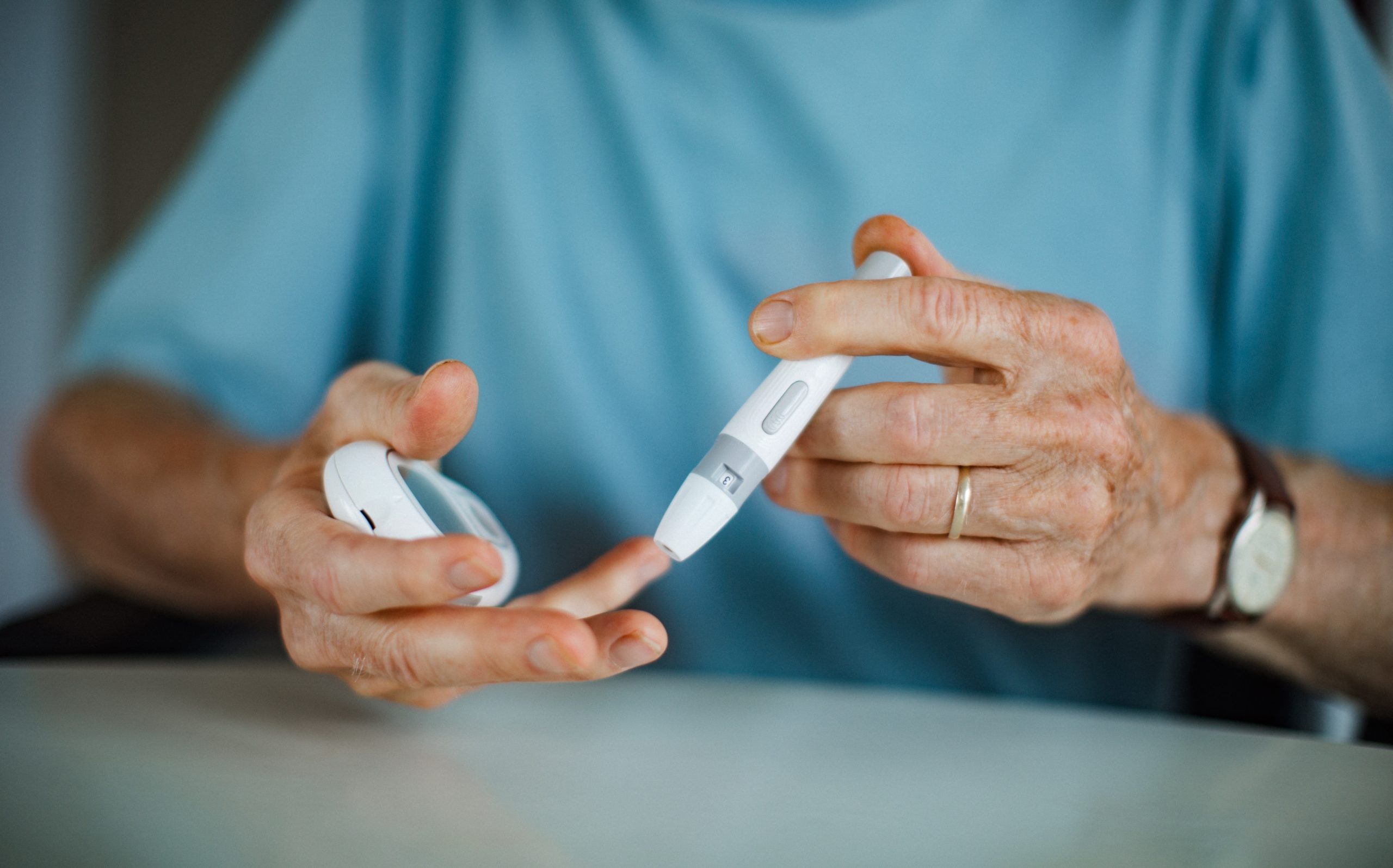
Understanding the Root Cause of Type 2 Diabetes
Type 2 diabetes usually develops gradually. In the early stages, the body may still be producing insulin, but the muscles, liver, and fat cells become less sensitive to it. As a result, glucose remains in the bloodstream instead of moving efficiently into the cells for energy.
This is what we call insulin resistance.
Several factors can contribute to insulin resistance, including:
- Excess body weight, especially around the abdomen (Central Obesity)
- Lack of regular physical activity
- Frequent intake of refined carbohydrates or sugary drinks
- Poor sleep or chronic stress
- Family history and ageing
- Fatty liver or metabolic syndrome
This is why two patients with the same blood sugar reading may need different treatment plans. A proper assessment helps us understand the bigger metabolic picture.
Why Blood Sugar Control Alone Is Not Enough
Many patients focus only on fasting blood sugar or HbA1c. These numbers are important, but they are not the whole story.
When I assess a patient with Type 2 diabetes, I also think about blood pressure, cholesterol, kidney function, weight, waist circumference, liver health, eye health, foot health, and cardiovascular risk.
The World Health Organization notes that diabetes care includes blood glucose control through diet, physical activity, and medication when necessary, along with blood pressure and lipid control to reduce complications. (World Health Organization)
This means diabetes treatment should protect the whole body — not just improve one number on a lab report.
Does This Mean Insulin Should Be Avoided?
No. This is a very important point.
Insulin should not be feared, delayed, or rejected when it is medically necessary. In some cases, insulin is the safest and most effective way to bring blood sugar under control quickly. This may be needed when blood sugar is very high, when symptoms such as weight loss or excessive thirst are present, during infections, before surgery, during pregnancy, or when other medications are not enough.
However, starting insulin without addressing insulin resistance may miss an important part of the problem. A patient may require increasing doses over time if diet, weight, activity, and other metabolic factors are not managed.
The goal is not “insulin versus no insulin.” The goal is the right treatment for the right patient at the right time.
Treating the Root Cause: What Patients Can Work On
For many patients, meaningful improvement starts with daily habits.
This does not mean extreme dieting. It means building a sustainable plan. I often advise patients to look at food quality, meal timing, portion size, physical activity, sleep, and weight management.
Regular physical activity helps the body use glucose more effectively and can improve insulin sensitivity. WHO also highlights healthy eating, physical activity, and medication when needed as part of diabetes management. (World Health Organization)
A practical approach may include:
- Reducing sugary drinks and refined carbohydrates
- Increasing vegetables, lean protein, and high-fibre foods
- Walking regularly, especially after meals
- Reducing long periods of sitting
- Improving sleep routine
- Monitoring blood sugar patterns, not just one reading
- Reviewing medications with a doctor
Small changes, done consistently, are often more powerful than short-term drastic changes.
When Should You See a Doctor?
You should seek medical evaluation if your fasting blood sugar, HbA1c, or random blood sugar is high, or if you have symptoms such as frequent urination, unusual thirst, tiredness, blurred vision, slow wound healing, or unexplained weight loss.
You should also see a doctor if you have been told you are “pre-diabetic,” have a strong family history of diabetes, are overweight, or have high blood pressure or cholesterol.
A proper review allows the doctor to decide whether lifestyle changes alone are enough, whether oral medication is needed, or whether insulin should be considered.
Doctor's Insight
What I want patients to understand is this: Type 2 diabetes is not just a sugar problem. It is often a metabolic problem.
Insulin can be an important treatment, but it should not be the only conversation. We need to understand the patient’s weight, diet, activity, insulin resistance, organ function, and risk of complications.
When we treat the root cause early, many patients gain better control, reduce complications, and feel more confident managing their condition.
– Dr. Balavendrian Anthony
Physician | Palliative Care
Evercare Medical Care Centre, Penang, Malaysia.
Frequently Asked Questions
Does Type 2 diabetes always require insulin?
No. Some patients can manage Type 2 diabetes with lifestyle changes and oral medication, while others may need insulin. It depends on blood sugar levels, symptoms, HbA1c, organ function, and how much insulin the body is still producing.
Is insulin a sign that my diabetes is very bad?
Not necessarily. Insulin is a treatment tool, not a punishment. Some patients need insulin temporarily, while others may need it longer term. The decision should be made after proper medical assessment.
What is insulin resistance?
Insulin resistance means the body produces insulin, but the cells do not respond to it properly. As a result, sugar stays in the bloodstream instead of entering the cells efficiently.
Can lifestyle changes really improve Type 2 diabetes?
Yes, for many patients. Healthier eating, regular physical activity, weight management, better sleep, and reducing sugary drinks can improve insulin sensitivity and blood sugar control.
Should I stop insulin if I want to treat the root cause?
No. Do not stop insulin or diabetes medication without medical advice. Sudden changes can be dangerous. Speak to your doctor before adjusting any treatment.
When should I see a doctor urgently?
Seek medical care if you have very high blood sugar, vomiting, dehydration, confusion, severe weakness, unexplained weight loss, or symptoms such as excessive thirst and frequent urination.