
How Diabetes Affects Blood Circulation in the Feet
In my daily practice, one of the most common concerns I see among patients with diabetes is discomfort or changes in their feet. Many patients are surprised to learn that diabetes can significantly affect blood circulation, especially in the lower limbs. Unfortunately, these changes often develop gradually and may go unnoticed until complications arise.
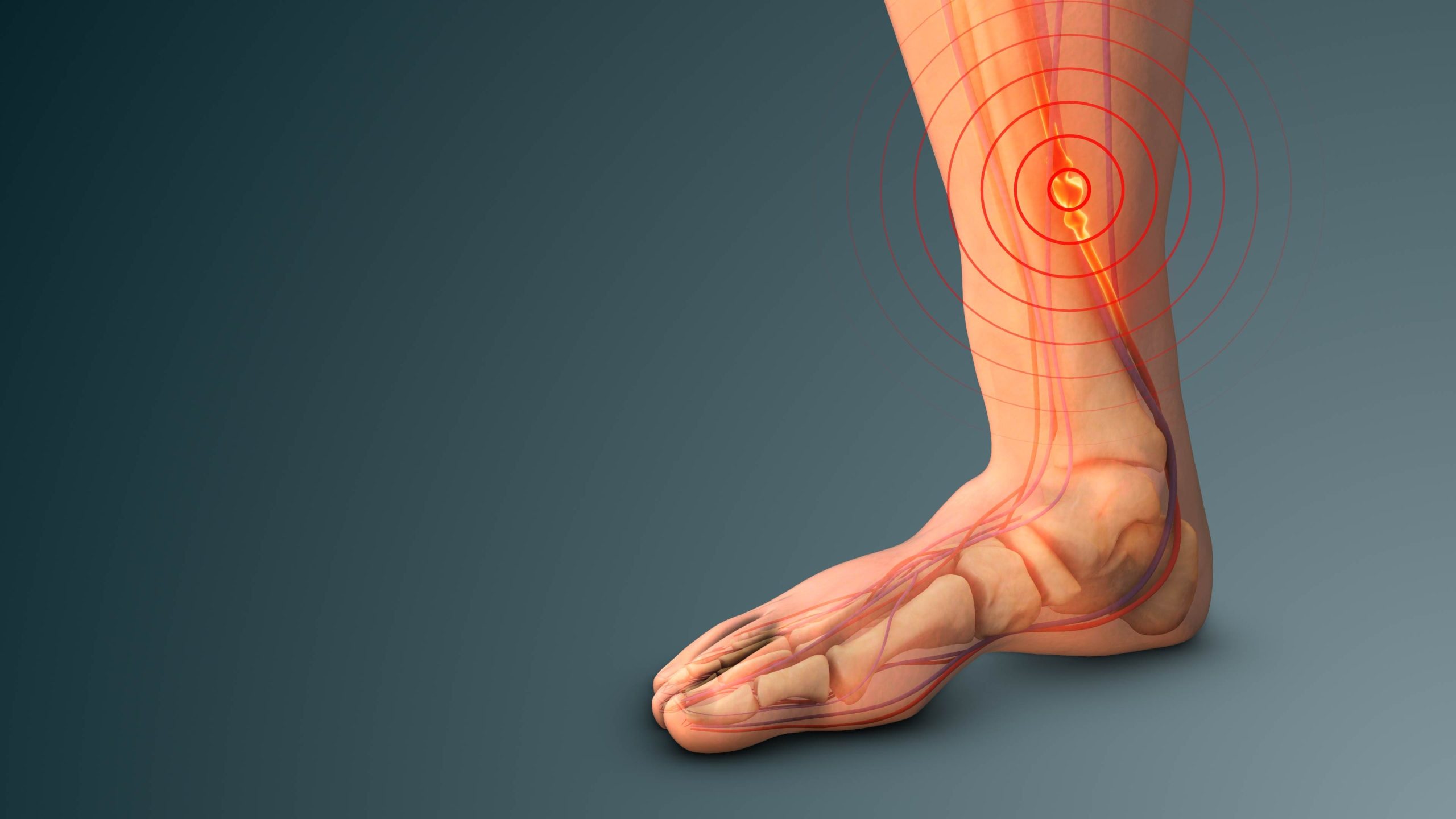
Why Blood Circulation Matters in Diabetes
Diabetes affects the body’s blood vessels over time. Persistently high blood sugar levels can damage the inner lining of blood vessels, making them narrower and less efficient at delivering oxygen and nutrients.
In the feet, this reduced circulation means that even minor injuries—such as small cuts or blisters—may heal more slowly.
How Diabetes Reduces Blood Flow to the Feet
From what I commonly observe in patients, there are two main mechanisms:
- Blood Vessel Damage (Peripheral Artery Disease)
Diabetes accelerates the narrowing of blood vessels, reducing blood supply to the feet. - Nerve Damage (Diabetic Neuropathy)
Patients may lose sensation in their feet, meaning they might not feel pain from injuries. This often delays treatment and allows wounds to worsen.
Common Warning Signs Patients Should Not Ignore
I often advise my patients to look out for early signs, including:
- Cold feet or reduced warmth
- Tingling or numbness
- Cramping in the legs when walking
- Slow-healing wounds
- Skin colour changes (pale, bluish, or darkened areas)
- Shiny or thin skin on the feet
These symptoms may indicate reduced blood flow and require medical attention.
Why This Can Become Serious
When circulation is poor, the body struggles to heal. In more advanced cases, I have seen patients develop:
- Foot ulcers
- Infections
- Tissue damage
If left untreated, these complications can become severe and may require more intensive medical or surgical care.
When Should You See a Doctor?
I always encourage patients with diabetes not to wait for pain before seeking help. You should consider medical evaluation if you notice:
- Any wound that does not heal within a few days
- Increasing numbness or tingling
- Changes in skin colour or temperature
- Swelling, redness, or signs of infection
Early assessment can make a significant difference in preventing complications.
Doctor's Insight
In my experience, many serious diabetic foot problems can be prevented with early awareness and regular foot checks. A simple habit—examining your feet daily—can help detect small issues before they become major concerns.
– Dr. Sreedharan Muniandy
Physician | Advanced Wound Care
Evercare Medical Care Centre, Penang, Malaysia.
Frequently Asked Questions
Why do my feet feel numb with diabetes?
In my experience, this is often due to nerve damage caused by prolonged high blood sugar levels.
Can poor circulation be reversed?
Early management can improve symptoms and prevent progression, which is why timely medical care is important.
Are cold feet a sign of diabetes complications?
They can be, especially if accompanied by other symptoms like numbness or slow healing.
How often should I check my feet?
I recommend daily checks, especially if you have long-standing diabetes.