
Understanding HbA1c (Glycosylated Haemoglobin): What It Tells Us About Long-Term Blood Sugar Control
In my clinical practice, I often meet patients who are surprised when I tell them their blood sugar problem did not start yesterday. Many assume that a normal fasting blood sugar means everything is fine. However, HbA1c—also known as glycosylated haemoglobin—gives us a much clearer picture of what has been happening over the past 2 to 3 months.
This test has become one of the most important tools in diagnosing and managing diabetes. I often explain to patients that HbA1c is like a “report card” for your average blood sugar control over time.
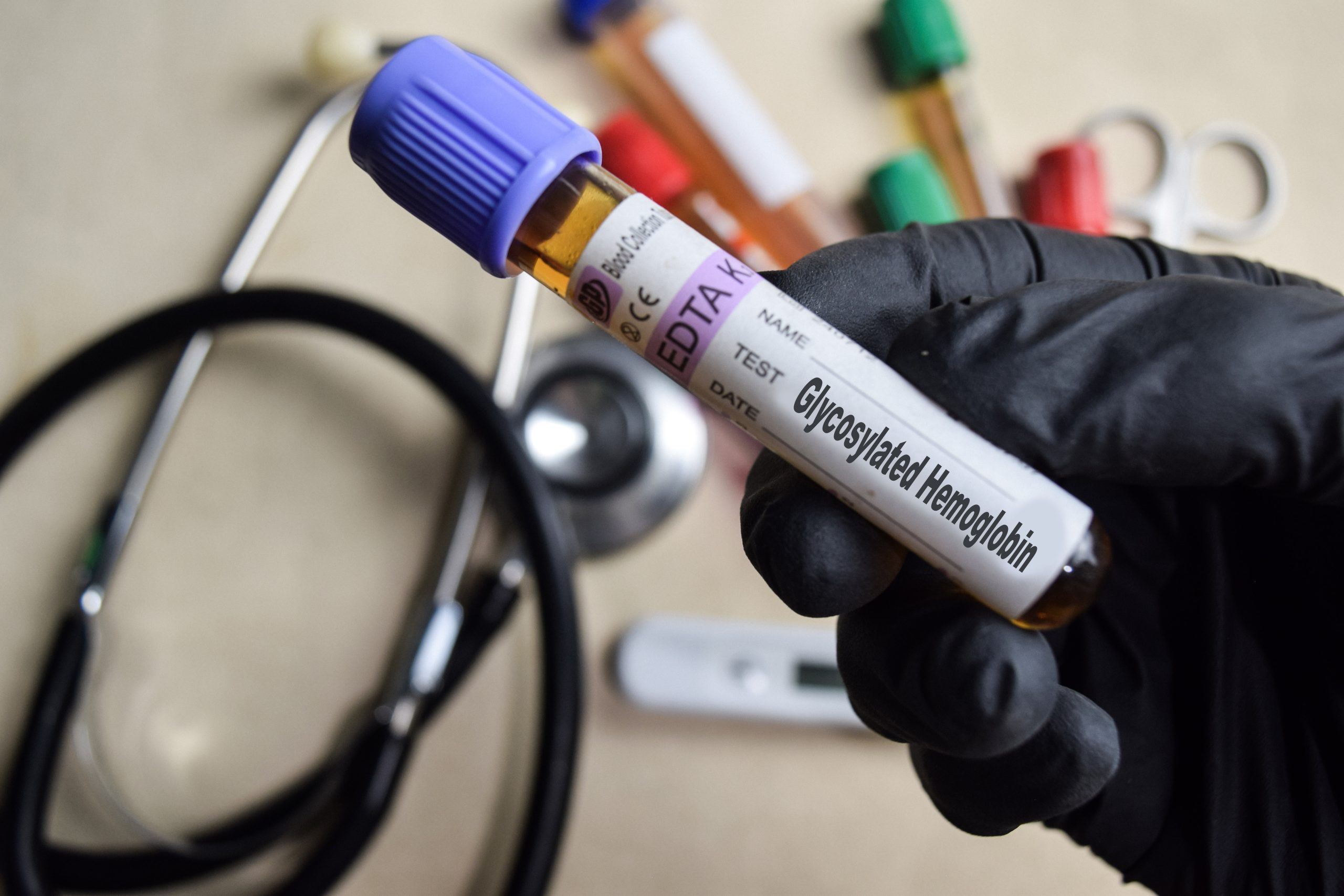
What is HbA1c?
HbA1c (glycosylated haemoglobin) is a form of haemoglobin that becomes “sugar-coated” when glucose in the blood attaches to red blood cells.
Since red blood cells live for about 3 months, the HbA1c level reflects the average blood sugar level during that period.
In simple terms, the higher your blood sugar over time, the higher your HbA1c result will be.
Why HbA1c is Important
In my experience, HbA1c is more reliable than single blood sugar readings because:
- Blood sugar changes throughout the day
- Stress, food, and illness can affect readings
- A single normal reading may be misleading
HbA1c helps us understand the bigger picture of long-term glucose control.
Normal HbA1c Ranges
Generally, we interpret HbA1c as:
- Below 5.7%: Normal
- 5.7% – 6.4%: Prediabetes
- 6.5% and above: Diabetes
However, I always remind patients that interpretation should consider individual health conditions and risk factors.
Symptoms and When Patients Should Get Tested
Many patients with early diabetes do not experience obvious symptoms. Some subtle signs I often see include:
- Frequent thirst
- Increased urination
- Fatigue
- Blurred vision
- Slow wound healing
Even without symptoms, I often recommend testing for individuals who have:
- Family history of diabetes
- Overweight or obesity
- Sedentary lifestyle
- High blood pressure or cholesterol
HbA1c vs Daily Blood Sugar Tests
A common question I receive is why HbA1c is needed when blood glucose tests already exist.
The difference is:
- Blood glucose: Shows current sugar level
- HbA1c: Shows long-term control (2–3 months)
Both are important, but HbA1c gives the broader overview needed for diagnosis and treatment planning.
Can HbA1c Be Wrong?
In some cases, HbA1c results may be affected by:
- Anaemia
- Recent blood loss
- Certain blood disorders
- Pregnancy
This is why clinical judgment is always important when interpreting results.
When to Seek Medical Advice
I usually advise patients to seek evaluation if:
- HbA1c is above 6.0%
- There is a rapid increase in readings
- There are symptoms of high blood sugar
- There are multiple risk factors present
Early detection allows us to prevent long-term complications such as nerve damage, kidney disease, and heart disease.
Doctor's Insight
HbA1c is more than just a number—it reflects how your body has been handling sugar over time. In many cases, early changes in HbA1c give us the opportunity to reverse or control diabetes before complications develop.
In my experience, patients who understand their HbA1c are more empowered to make meaningful lifestyle changes, leading to better long-term outcomes.– Dr. Teh Boon Teong
Consultant in Internal Medicine
Evercare Medical Care Centre, Penang, Malaysia.
Frequently Asked Questions
What does HbA1c measure?
It measures your average blood sugar level over the past 2–3 months.
Is fasting required for HbA1c test?
No, fasting is not required.
How often should I test HbA1c?
Usually every 3–6 months depending on risk or diagnosis.
Can HbA1c be normal but I still have diabetes?
In early or fluctuating cases, other tests may also be needed for confirmation.
Can lifestyle changes improve HbA1c?
Yes, diet, exercise, and weight control can significantly improve results.