
Understanding Fasting Blood Glucose (FBG): What Your Sugar Level Says About Your Health
In my daily practice, one of the most common screening tests I see patients undergo is the fasting blood glucose (FBG) test. Many people are surprised when their results come back slightly elevated, even when they feel completely well. This often leads to questions about whether they already have diabetes or are at risk.
The FBG test is a simple yet powerful tool that helps us detect early problems with blood sugar control before symptoms appear.
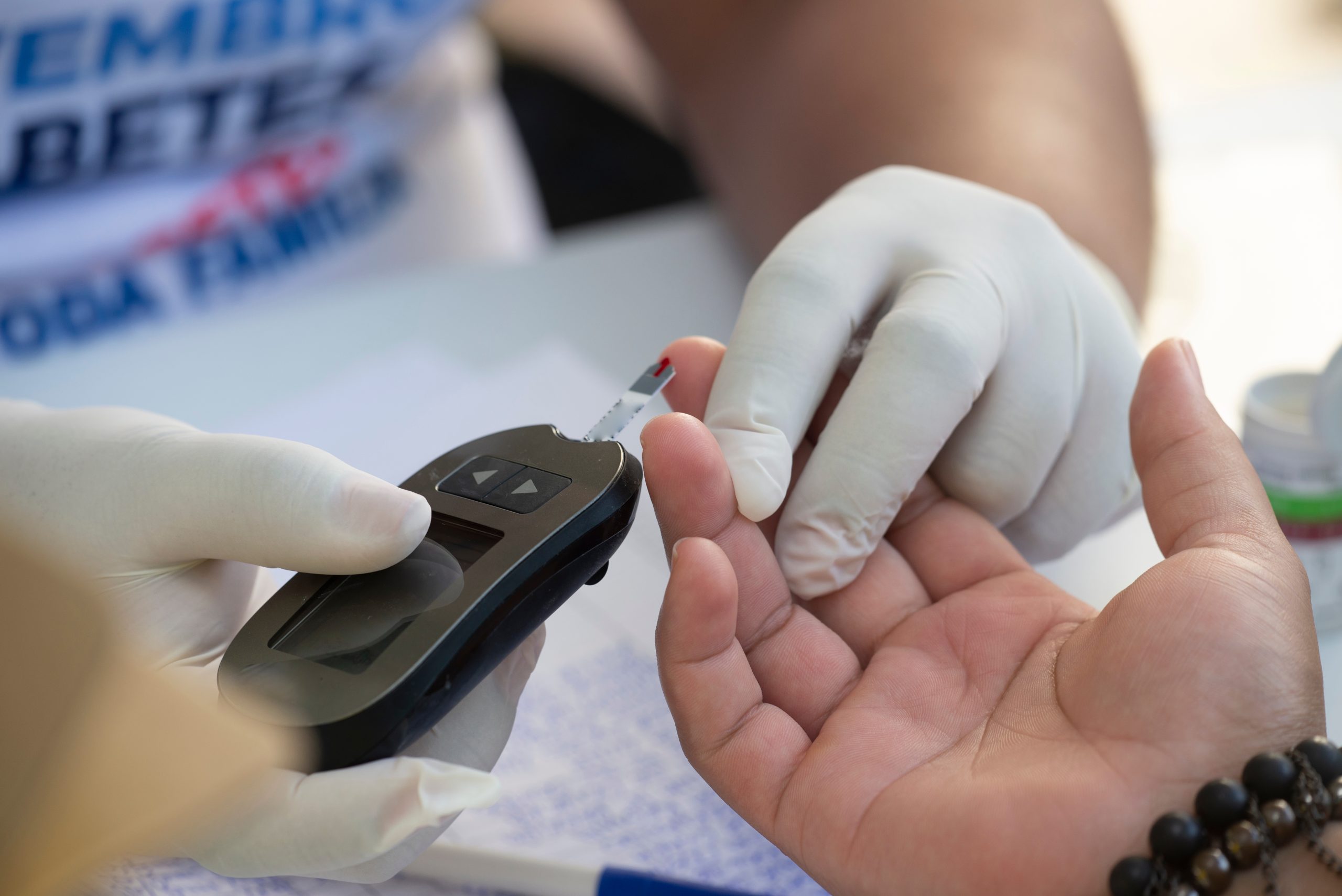
What is Fasting Blood Glucose?
Fasting blood glucose measures the level of sugar in your blood after you have not eaten for at least 8–10 hours. It reflects how your body regulates glucose without the influence of recent meals.
Glucose is the body’s main source of energy, but when levels remain consistently high, it can indicate insulin resistance or diabetes.
Normal Fasting Blood Glucose Levels
From a clinical standpoint, we generally interpret FBG results as:
- Normal: 3.9 – 5.5 mmol/L
- Prediabetes: 5.6 – 6.9 mmol/L
- Diabetes (possible): 7.0 mmol/L and above (confirmed on repeat testing)
A single reading is not always enough to diagnose diabetes, which is why repeat testing or additional tests like HbA1c may be recommended.
Why Fasting Blood Sugar Becomes High
In my experience, patients are often surprised by elevated readings despite “not eating much sugar.” Common reasons include:
- Insulin resistance (early stage of type 2 diabetes)
- Overweight or central obesity
- Lack of physical activity
- Poor sleep quality
- Chronic stress
- Certain medications
- Dawn phenomenon (natural early morning hormone surge)
Understanding the cause is more important than focusing only on the number.
Symptoms You Should Not Ignore
Many patients with early blood sugar imbalance have no symptoms. However, some may experience:
- Increased thirst
- Frequent urination
- Fatigue
- Blurred vision
- Slow healing wounds
These symptoms often appear when blood sugar has been elevated for some time.
When Should You See a Doctor?
I usually advise patients to seek medical evaluation if:
- FBG is repeatedly above 5.6 mmol/L
- There is a family history of diabetes
- You are overweight or have metabolic risk factors
- You experience symptoms of high blood sugar
- You have not had a health screening in over a year
Early detection allows us to reverse or control the condition before complications develop.
How We Confirm the Diagnosis
At clinics like ours, we often combine FBG with:
- HbA1c (3-month average sugar level)
- Oral glucose tolerance test (OGTT)
- Lipid profile and metabolic screening
This gives a more complete picture of metabolic health.
Doctor's Insight
Fasting blood glucose is one of the simplest yet most valuable tests for early detection of diabetes. If interpreted correctly and followed up appropriately, it can prevent long-term complications such as heart disease, kidney disease, and nerve damage.
If you are unsure about your results, a proper medical evaluation is always the safest next step.
– Dr. Teh Boon Teong
Consultant in Internal Medicine
Evercare Medical Care Centre, Penang, Malaysia.
Frequently Asked Questions
How long do I need to fast before the FBG test?
Usually 8–10 hours of fasting is required.
Can I drink water before the test?
Yes, plain water is allowed.
Does coffee affect fasting blood glucose?
Yes, even black coffee may influence results in some people.
Is one high reading enough to diagnose diabetes?
No, repeat testing or additional tests are needed.
Can fasting blood sugar return to normal?
Yes, with lifestyle changes and early intervention.