
Understanding Your Full Blood Examination (FBE)
One of the most common questions my patients ask is, “Doctor, why do I need a Full Blood Examination?” It is a simple blood test, but it provides valuable information about your overall health. While an FBE does not diagnose every medical condition, it often gives us important clues that help us decide whether further investigations or treatment are needed.
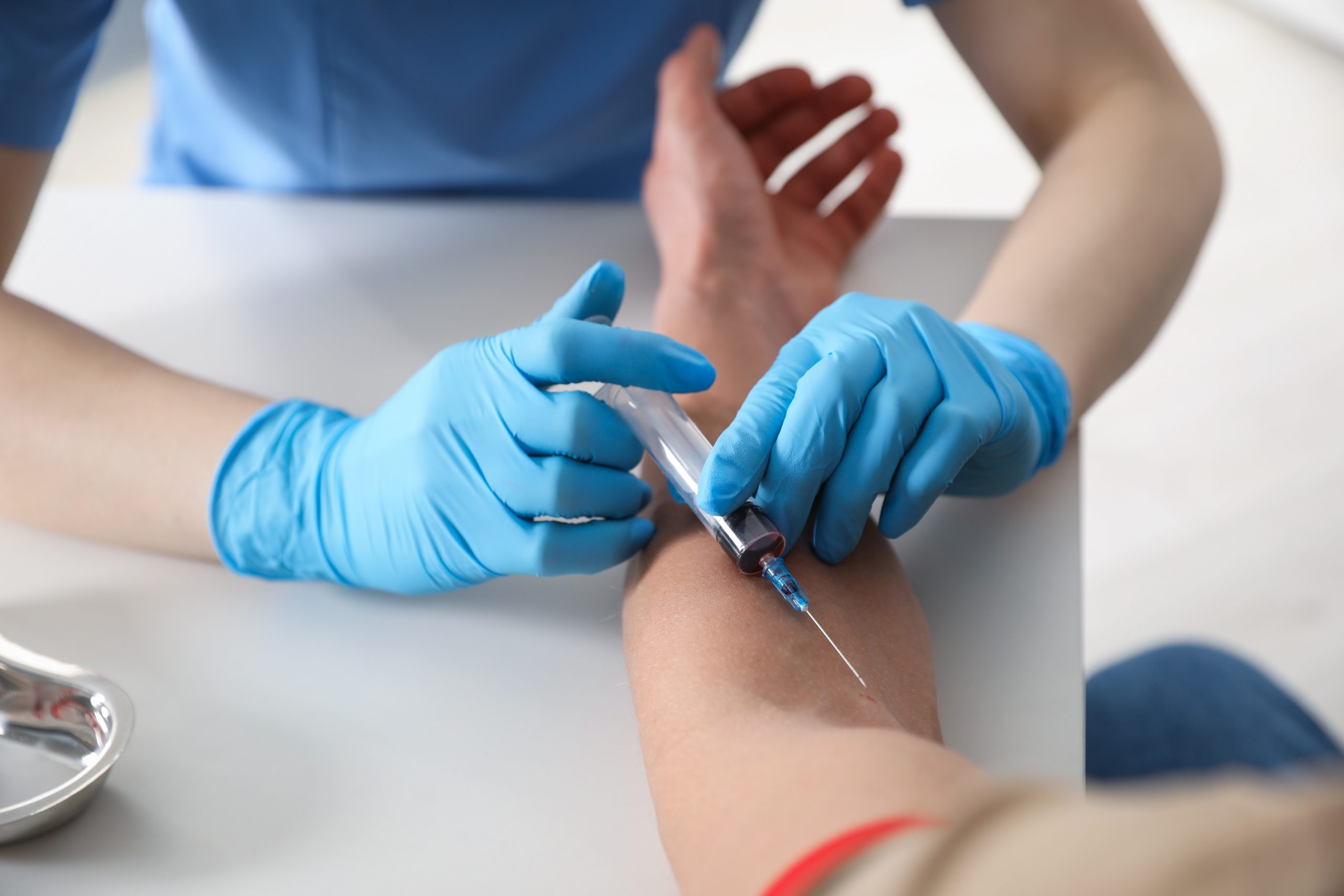
What Is a Full Blood Examination?
A Full Blood Examination (FBE), also known as a Complete Blood Count (CBC), measures the different types of cells circulating in your blood, including:
- Red blood cells
- White blood cells
- Platelets
- Haemoglobin
- Haematocrit
Each of these plays an important role in keeping your body healthy.
What Can an FBE Tell Your Doctor?
An FBE can help identify:
- Anaemia
- Infections
- Inflammation
- Blood disorders
- Certain immune system conditions
- Possible bleeding problems
- Some bone marrow disorders
It is often used together with your symptoms, physical examination, and other laboratory tests to build a complete picture of your health.
Understanding the Different Blood Cells
Red Blood Cells
These carry oxygen throughout your body. Low levels may suggest anaemia, while high levels may be associated with dehydration or other medical conditions.
White Blood Cells
White blood cells help fight infections. Elevated levels may indicate infection or inflammation, while unusually low levels can occur with certain illnesses or medications.
Platelets
Platelets help your blood clot. Too few platelets may increase the risk of bleeding, whereas very high platelet counts may require further assessment.
When Might Your Doctor Recommend an FBE?
I commonly recommend an FBE for patients who have:
- Persistent tiredness
- Fever
- Frequent infections
- Easy bruising
- Unexplained weight loss
- Ongoing inflammation
- Routine health screening
- Monitoring of chronic medical conditions
- Follow-up after certain medications or treatments
Do You Need to Fast?
In most cases, fasting is not required for an FBE. However, if your doctor has ordered additional blood tests, such as cholesterol or blood glucose, fasting may be necessary. Always follow the instructions provided before your appointment.
Can an FBE Detect Cancer?
This is another common question I hear. An FBE cannot diagnose cancer on its own. However, abnormal blood counts may sometimes suggest that further investigations are needed. The results must always be interpreted alongside your medical history, symptoms, examination findings, and other diagnostic tests.
What Happens If My Results Are Abnormal?
Abnormal results do not always mean you have a serious illness. Many factors—including recent infections, medications, dehydration, or temporary conditions—can affect blood counts. If your results fall outside the normal range, your doctor will explain what they mean and whether further evaluation is necessary.
When Should You See a Doctor?
You should seek medical evaluation if you experience:
- Persistent fatigue
- Frequent infections
- Easy bruising
- Unexplained bleeding
- Ongoing fever
- Unintentional weight loss
- Persistent weakness or dizziness
Early assessment allows us to identify potential health issues sooner and recommend appropriate treatment when needed.
Doctor's Insight
In my practice, a Full Blood Examination is often one of the first investigations I request because it provides valuable information quickly. Although it is only one piece of the diagnostic puzzle, it frequently helps us identify conditions early and guides the next steps in your care. If you have ongoing symptoms or concerns about your health, it is always worthwhile discussing whether an FBE is appropriate for you.
– Dr. Teh Boon Teong
Consultant in Internal Medicine
Evercare Medical Care Centre, Penang, Malaysia.
Frequently Asked Questions
What is an FBE?
It is a blood test that measures the different types of blood cells circulating in your body.
Do I need to fast?
Usually no, unless your doctor has requested other fasting blood tests.
Can it detect infection?
It can provide evidence that suggests infection, but additional assessment may still be required.
Can it diagnose cancer?
No. It cannot diagnose cancer on its own but may indicate the need for further investigation.
How long do results take?
This depends on the laboratory, but results are often available within one working day.