
High Sensitive Troponin I: What Your Blood Test Really Means for Your Heart
In my practice, one of the most common and anxiety-provoking test results patients bring to me is an elevated high sensitive troponin I (hs-TnI) level. Many patients immediately associate this with a heart attack, and while that can sometimes be true, the reality is more nuanced.
Troponin is a protein found in heart muscle cells. When the heart muscle is injured, even in very small amounts, troponin can be released into the bloodstream. The “high sensitive” version of this test allows us to detect even very low levels of heart injury much earlier than older tests.
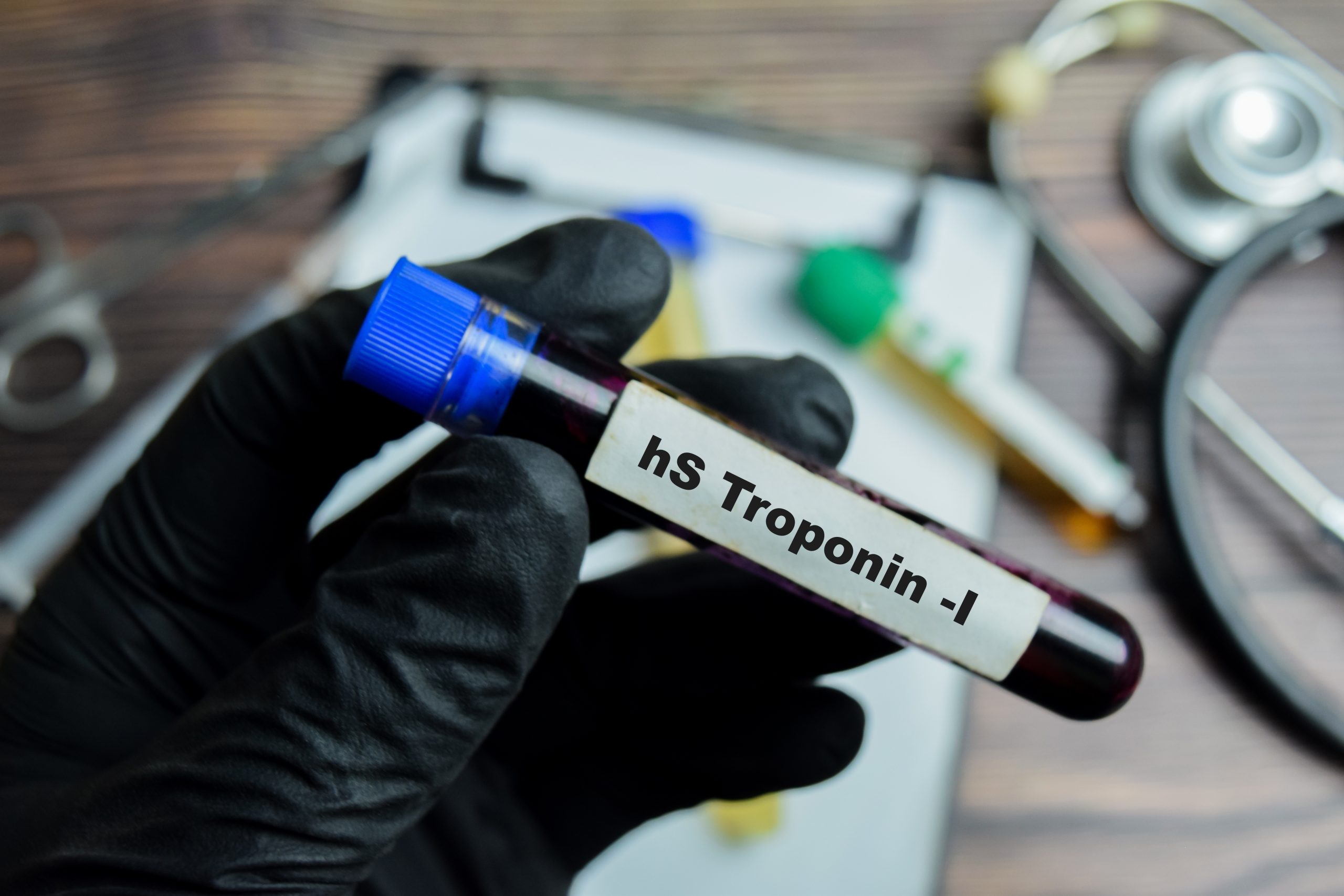
What is High Sensitive Troponin I?
High sensitive troponin I is a blood biomarker used primarily in the evaluation of acute chest pain and suspected heart muscle injury. It helps doctors detect conditions such as:
- Heart attack (myocardial infarction)
- Heart strain or inflammation (myocarditis)
- Reduced blood supply to the heart (ischemia)
Because of its sensitivity, even minor or early heart damage can be detected.
Why Do Doctors Order This Test?
I often order hs-TnI when a patient presents with symptoms such as:
- Chest pain or tightness
- Shortness of breath
- Pain radiating to arm, jaw, or back
- Unexplained sweating or nausea
It is especially useful in emergency settings because it helps us decide quickly whether a patient is having a heart attack or another condition.
Does High Troponin Always Mean Heart Attack?
Not always.
One important point I explain to patients is that troponin indicates heart muscle injury, not the cause of injury.
Elevated levels can also occur in:
- Severe infections (sepsis)
- Kidney disease
- Rapid heart rate (arrhythmia)
- Heart failure
- Intense physical stress or trauma
This is why doctors never rely on troponin alone. We always interpret it together with symptoms, ECG findings, and repeat testing.
How hs-Troponin Testing Works
Unlike older tests, hs-TnI can detect very small changes in troponin levels. Doctors often repeat the test after a few hours to observe the trend:
- Rising levels → suggests ongoing heart injury
- Stable low levels → less likely acute heart attack
- Falling levels → possible resolving condition
The pattern is often more important than a single reading.
When Should You Be Concerned?
I always advise patients to seek urgent medical evaluation if they experience:
- Persistent or severe chest pain
- Chest discomfort witSudden unexplained fatigue or collapse h sweating or breathlessness
- Pain spreading to arm, neck, or jaw
Even if troponin is initially normal, early heart attacks can still be developing, which is why repeat testing is sometimes necessary.
Conclusion
High sensitive troponin I is one of the most powerful tools we have in modern emergency and cardiac medicine. It helps us detect heart injury early and guide life-saving decisions. However, it must always be interpreted carefully alongside symptoms and clinical findings.
If you have chest pain or an abnormal troponin result, it is important not to self-interpret but to seek medical evaluation promptly.
Doctor's Insight
In real clinical practice, I often see patients who panic after seeing a “slightly elevated” troponin result online or in a lab report. However, interpretation requires context. A mild elevation does not automatically mean a heart attack, just as a normal result does not completely rule it out if symptoms are concerning.
This is why clinical assessment remains essential alongside blood testing.
– Dr. Teh Boon Teong
Consultant in Internal Medicine
Evercare Medical Care Centre, Penang, Malaysia.
Frequently Asked Questions
Is high troponin always a heart attack?
No. It means heart muscle injury, but the cause varies.
Can troponin rise without chest pain?
Yes, especially in infections or heart strain.
How fast does troponin rise?
It can rise within hours after heart injury.
Do I need admission if troponin is high?
It depends on symptoms and ECG findings.
Can stress increase troponin?
Severe physical or emotional stress can sometimes contribute.