
How Nerve Damage Quietly Increases Your Risk of Wounds
In my clinical practice, I often see patients who are surprised to discover wounds they never felt. Many of them have underlying nerve damage, which reduces their ability to sense pain, heat, or injury. This lack of sensation may seem harmless at first, but it significantly increases the risk of unnoticed wounds that can worsen over time.
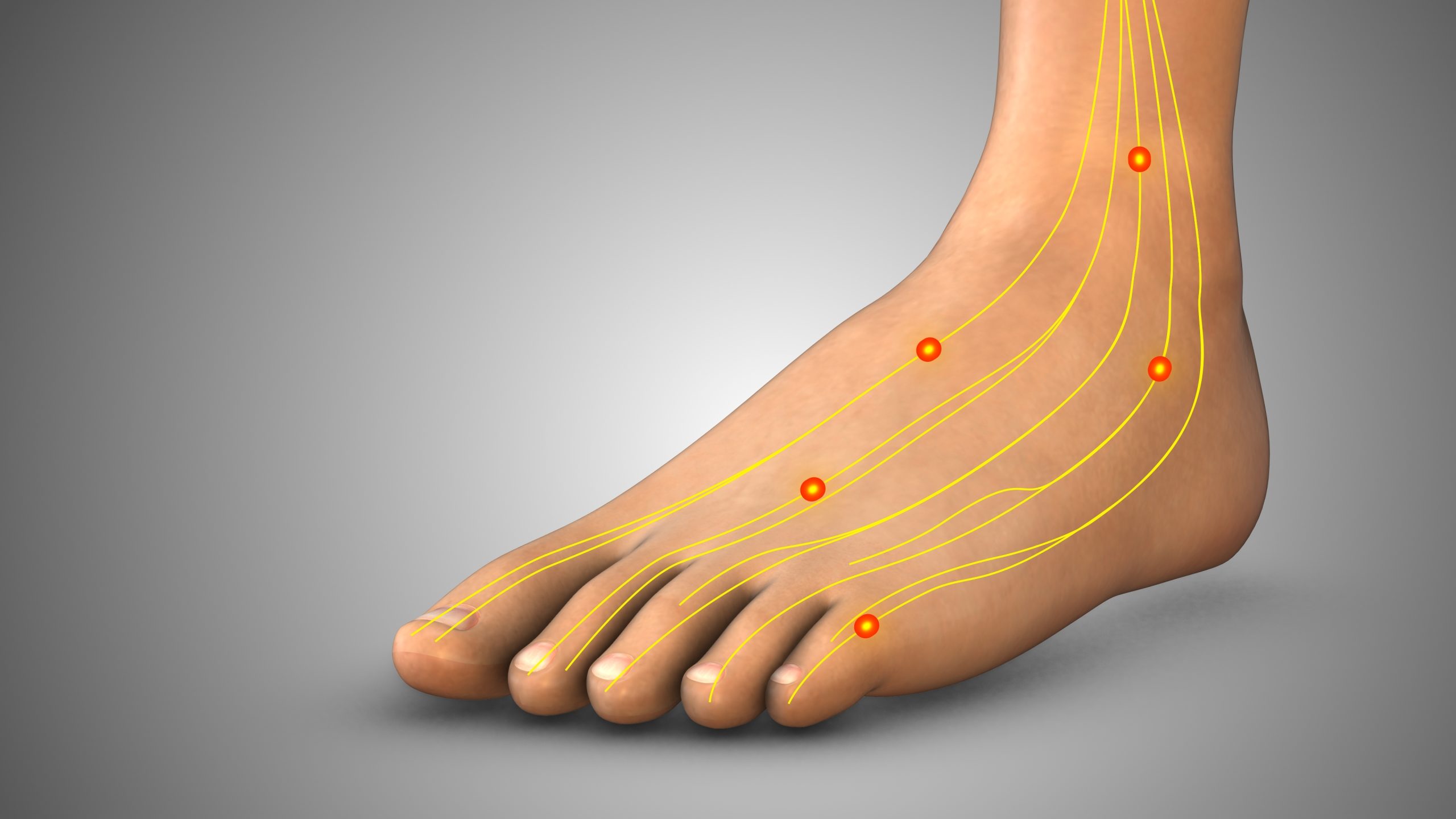
What Is Nerve Damage?
Nerve damage, also known as neuropathy, occurs when the nerves that carry signals between the brain and body are impaired. This can affect sensation, movement, and even the body’s ability to heal.
One of the most common causes I see is diabetes, but nerve damage can also result from injuries, infections, or certain medical conditions.
Why Nerve Damage Leads to Wounds
1. Loss of Protective Sensation
Normally, pain acts as a warning signal. When a shoe is too tight or a surface is too hot, you instinctively react. In patients with nerve damage, this warning system is reduced or absent.
As a result, small injuries—such as cuts, blisters, or pressure sores—can go completely unnoticed.
2. Repeated Pressure and Friction
I often explain to patients that walking with numb feet is like walking without feedback. Continuous pressure on certain areas of the foot can lead to skin breakdown.
Over time, this can develop into deeper wounds or ulcers, especially on weight-bearing areas.
3. Delayed Healing
Nerve damage doesn’t just affect sensation—it can also impair circulation and the body’s natural healing response.
In clinical practice, I frequently see wounds that take much longer to heal in patients with neuropathy, increasing the risk of infection.
4. Increased Risk of Infection
Because wounds may go unnoticed and untreated, bacteria can easily enter and multiply. What starts as a minor injury can quickly progress into a more serious infection.
Common Areas Where Wounds Occur
- Soles of the feet
- Toes and between toes
- Heels
- Areas under calluses
These are areas I routinely examine during patient assessments, especially in those with known nerve damage.
Warning Signs Patients Should Not Ignore
Even without pain, there are signs I advise patients to watch for:
- Redness or swelling
- Skin discoloration
- Unusual warmth
- Drainage or odor
- Thickened or broken skin
When Should You Seek Medical Evaluation?
I strongly encourage patients to seek medical attention if they notice:
- Any wound that does not improve within a few days
- Signs of infection such as swelling or discharge
- Persistent numbness or tingling
- Changes in skin color or temperature
Early evaluation can prevent complications and improve outcomes.
Doctor's Insight
One of the biggest challenges with nerve damage is that the absence of pain can create a false sense of safety. In reality, it increases the risk of serious wounds.
From my experience, regular self-checks and early medical evaluation are key. If you have conditions like diabetes or experience numbness, it’s important not to wait until a wound becomes severe.
– Dr. Sreedharan Muniandy
Physician | Advanced Wound Care
Evercare Medical Care Centre, Penang, Malaysia.
Frequently Asked Questions
Can nerve damage cause wounds?
Yes, because you may not feel injuries, allowing them to worsen.
Why don’t I feel pain in my wound?
Nerve damage reduces your ability to sense pain.
Who is at risk?
Commonly patients with diabetes, but also those with injuries or chronic conditions.
How can I prevent wounds?
Daily self-checks, proper footwear, and early medical care.