
Why I Recommend Regular Preventive Health Checks
As a doctor, I often see patients who come in only when symptoms appear. The problem is that many serious conditions, like high blood pressure, diabetes, or early-stage cancers, develop silently. Preventive health checks are designed to detect these issues early—before they become serious. In my practice, patients who undergo regular screenings tend to have better long-term health outcomes.
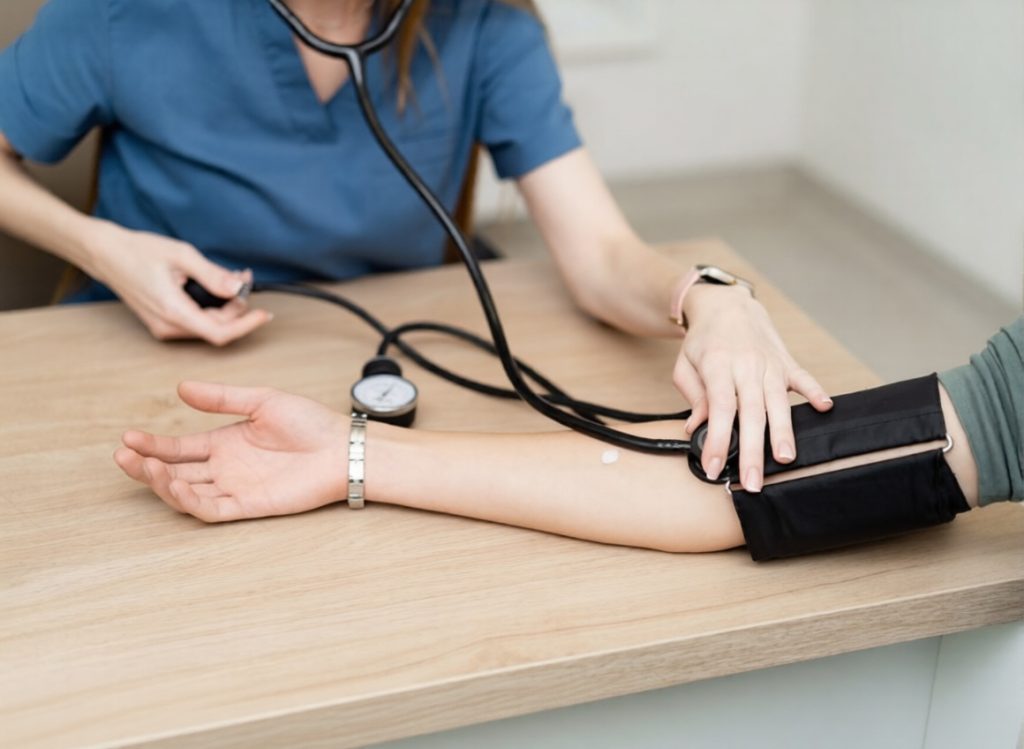
1. What Are Preventive Health Checks?
Preventive checks are routine examinations and tests that monitor your overall health. They may include blood tests, blood pressure checks, cholesterol levels, cancer screenings, and lifestyle assessments.
2. Why Early Detection Matters
Detecting health issues early allows for simpler, more effective treatment. For instance, catching high cholesterol early can prevent heart disease, and early cancer detection often leads to better prognosis.
3. Who Should Get Screened and When
Adults should consider annual or periodic screenings based on age, family history, and risk factors. Even healthy individuals benefit from baseline tests to track changes over time.
4. Practical Tips for Patients
Keep a record of your tests, maintain a balanced diet, exercise regularly, and discuss your results with a trusted doctor. Preventive care is a partnership between you and your healthcare provider.
Doctor’s Insight
Regular preventive health checks are not just about avoiding illness—they empower you to take control of your health. I encourage everyone to schedule routine screenings and treat them as an essential part of self-care.
– Dr. Balavendrian Anthony
Physician | Palliative Care
Evercare Medical Care Centre, Penang, Malaysia.
Frequently Asked Questions
Why should I have preventive health checks?
They detect health issues early, making treatment simpler and more effective.
How often should I get screened?
It depends on your age, lifestyle, and risk factors; usually annually or as recommended by your doctor.
What tests are included?
Basic blood tests, blood pressure, cholesterol, diabetes screening, cancer screenings, and lifestyle assessments.