
Understanding Blood Pressure: A Common but Silent Health Risk I See in Everyday Practice
In my daily practice, one of the most common findings I see during routine check-ups is abnormal blood pressure—often in patients who feel completely well. This is what makes blood pressure conditions particularly important: many people do not feel symptoms until complications begin to develop.
Blood pressure is not just a number. It reflects how hard your heart is working to circulate blood throughout your body. When it is too high or too low, it can affect vital organs over time.
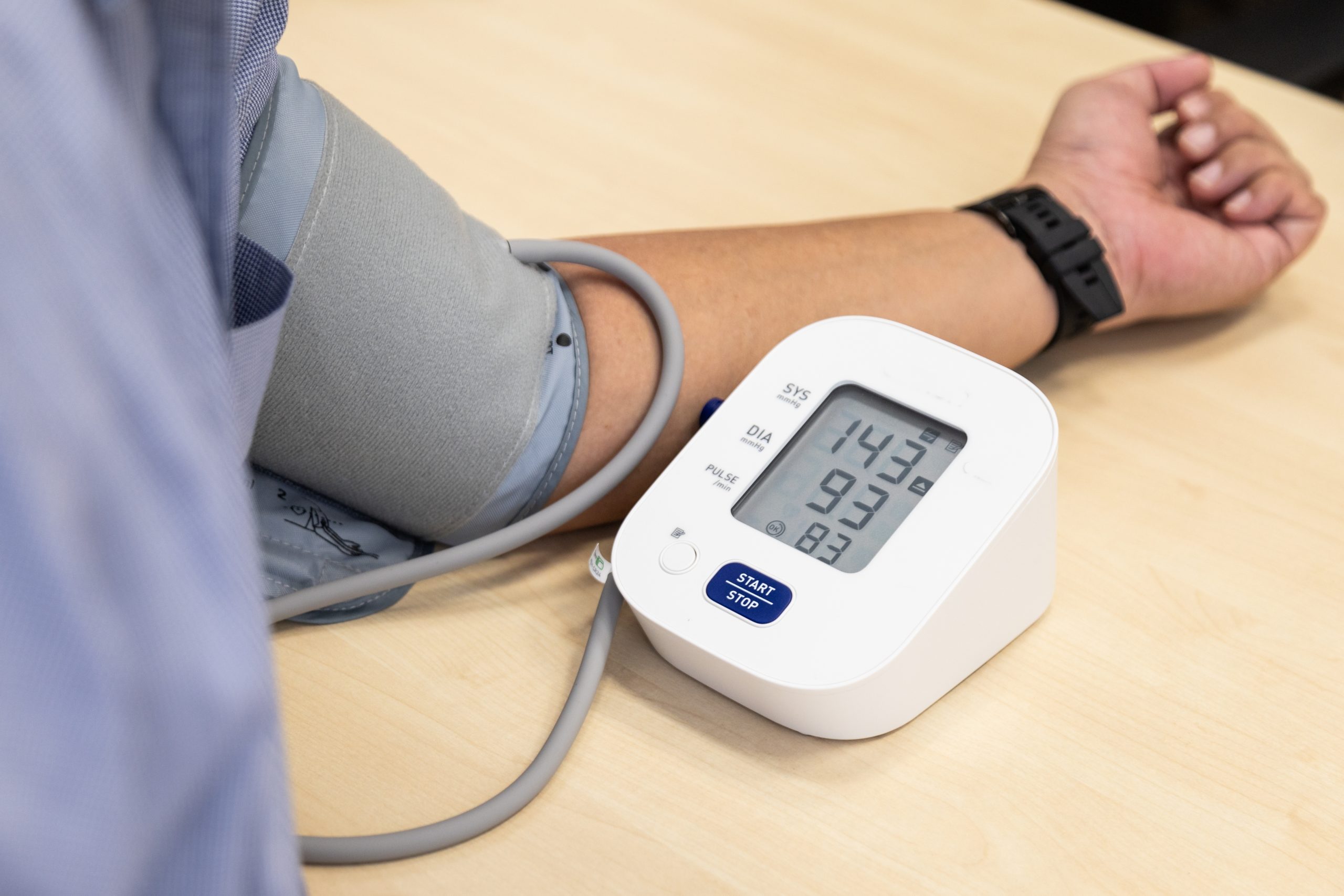
What is Blood Pressure?
Blood pressure refers to the force of blood pushing against the walls of your arteries. It is recorded as two numbers:
- Systolic pressure (top number): pressure when the heart contracts
- Diastolic pressure (bottom number): pressure when the heart relaxes
A normal reading is generally around 120/80 mmHg, though this can vary slightly between individuals.
High Blood Pressure (Hypertension)
Hypertension is when blood pressure consistently stays above normal levels.
What I commonly see in patients:
Many patients with high blood pressure do not experience symptoms at all. This is why it is often called a “silent condition.”
However, some may experience:
- Headaches
- Blurred vision
- Chest discomfort
- Shortness of breath
- Fatigue
Risk factors include:
- High salt diet
- Lack of physical activity
- Stress
- Smoking
- Family history
- Increasing age
Over time, uncontrolled hypertension can damage the heart, kidneys, brain, and blood vessels.
Low Blood Pressure (Hypotension)
Low blood pressure is when readings drop below the normal range and begin to cause symptoms.
Symptoms I often hear from patients:
- Dizziness, especially when standing up
- Feeling faint
- Blurred vision
- Weakness
- Cold, clammy skin
Low blood pressure is not always dangerous, but it can become concerning if it affects daily function or causes fainting.
Why Blood Pressure Should Not Be Ignored
One of the key concerns I explain to patients is that both high and low blood pressure can affect blood flow to vital organs.
In the long term, uncontrolled hypertension increases the risk of:
- Stroke
- Heart attack
- Kidney disease
- Heart failure
This is why early detection is crucial, even when you feel healthy.
When Should You Seek Medical Attention?
A simple blood pressure check at a clinic can provide valuable early warning.
- Your blood pressure is repeatedly above 140/90 mmHg
- You experience frequent dizziness or fainting
- You have chest pain or shortness of breath
- You are on blood pressure medication but readings remain unstable
- You have risk factors such as diabetes or high cholesterol
Doctor's Insight
In my experience, blood pressure management is most successful when it is detected early and monitored consistently. Many complications can be prevented when patients understand their numbers and take small, steady steps in lifestyle modification.
Regular screening, even when you feel well, is one of the simplest yet most powerful tools in protecting long-term heart and brain health.
– Dr. Teh Boon Teong
Consultant in Internal Medicine
Evercare Medical Care Centre, Penang, Malaysia.
Frequently Asked Questions
What is a normal blood pressure?
Around 120/80 mmHg is generally considered normal.
Can stress raise blood pressure?
Yes, stress can temporarily increase blood pressure.
Is hypertension curable?
It is usually manageable, but requires long-term control.
Why do I feel dizzy when standing?
This may be related to low blood pressure or sudden postural changes.
How often should I check my blood pressure?
At least every few months, or more frequently if you have risk factors.