
Understanding the Urine Albumin-to-Creatinine Ratio (uACR)
Kidney disease often develops silently, especially in its early stages. One of the earliest signs of kidney damage is the leakage of small amounts of protein into the urine. In my practice, the Urine Albumin-to-Creatinine Ratio (uACR) is an important test that helps detect kidney problems before symptoms appear.
This simple urine test is particularly valuable for people with diabetes, high blood pressure and other conditions that increase the risk of chronic kidney disease.
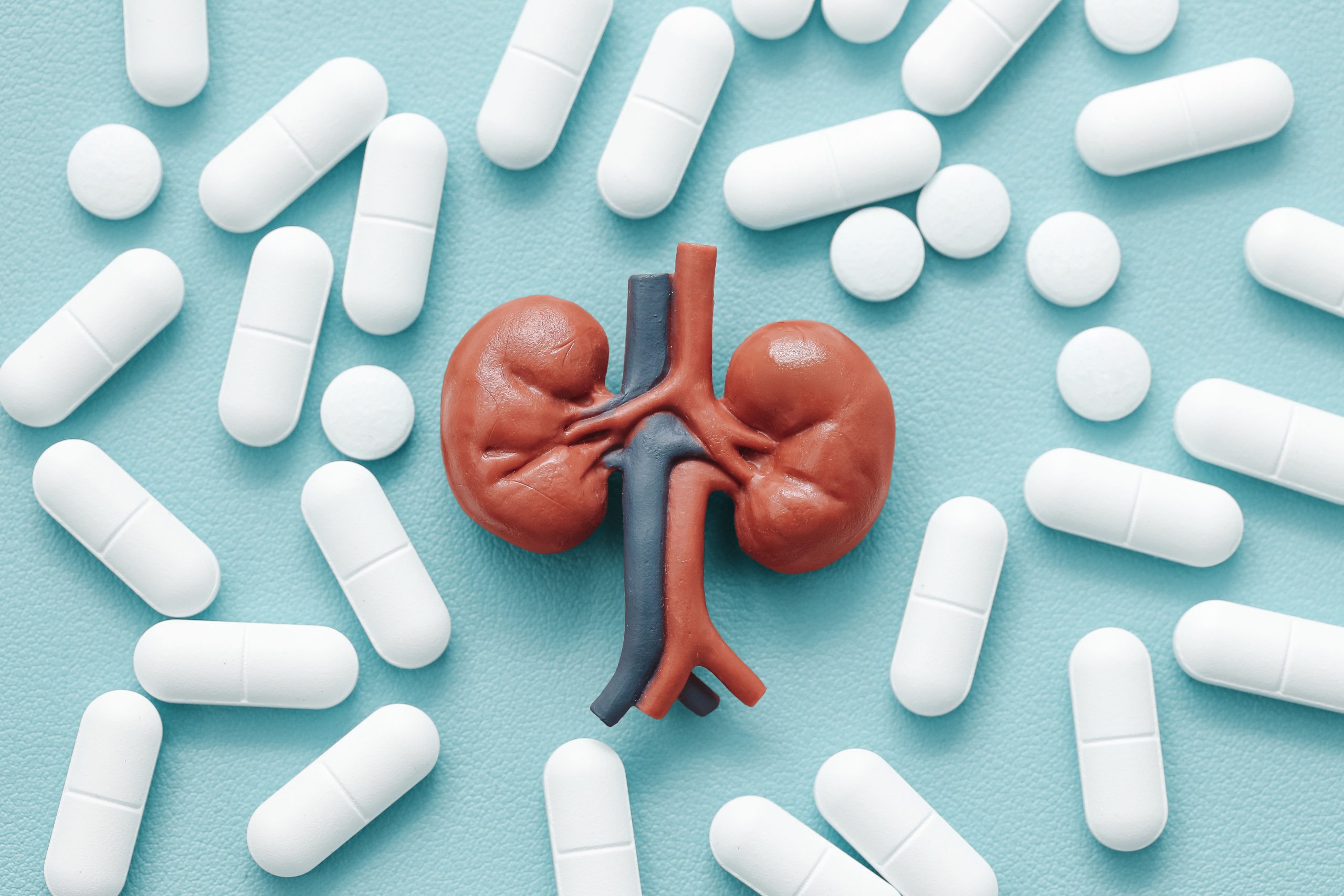
What Is a uACR Test?
The Urine Albumin-to-Creatinine Ratio (uACR) measures the amount of albumin, a type of protein, compared with creatinine in a urine sample.
Using the albumin-to-creatinine ratio helps provide a more accurate assessment than measuring urine protein alone because it accounts for how concentrated or diluted the urine is.
Why Is Albumin in the Urine Important?
Healthy kidneys prevent most proteins from leaking into the urine.
When the kidneys become damaged, small amounts of albumin can pass into the urine. Detecting this early allows treatment to begin before kidney function declines significantly.
Who Should Have a uACR Test?
Your doctor may recommend a uACR test if you:
- Have diabetes
- Have high blood pressure
- Have chronic kidney disease
- Have a family history of kidney disease
- Have cardiovascular disease
- Are undergoing routine kidney health monitoring
For people living with diabetes, regular uACR testing is an important part of ongoing kidney care.
What Does a High uACR Mean?
An increased uACR may indicate:
- Early diabetic kidney disease
- Chronic kidney disease
- High blood pressure affecting the kidneys
- Kidney inflammation
- Other kidney disorders
A single abnormal result does not necessarily confirm kidney disease. Your doctor may repeat the test because temporary factors such as fever, vigorous exercise or a urinary tract infection can affect the results.
How Is the Test Performed?
A uACR usually requires a single urine sample, often collected as a first morning urine specimen for greater accuracy.
No fasting is usually required.
Can uACR Detect Kidney Disease Early?
Yes.
One of the greatest advantages of the uACR test is that it can detect early kidney damage before kidney function blood tests become abnormal or symptoms develop.
Early detection allows lifestyle changes and treatment to help slow the progression of kidney disease.
When Should You See a Doctor?
Arrange a medical review if you:
- Have diabetes or high blood pressure
- Have swelling of the legs or feet
- Notice foamy urine
- Have a family history of kidney disease
- Are due for routine kidney monitoring
Regular screening is essential because kidney disease often develops without obvious symptoms..
Doctor's Insight
In my practice, I encourage patients with diabetes and high blood pressure not to overlook urine testing. A simple uACR test can detect kidney damage at an early stage, allowing timely treatment that may help preserve kidney function for many years.
– Dr. Teh Boon Teong
Consultant in Internal Medicine
Evercare Medical Care Centre, Penang, Malaysia.
Frequently Asked Questions
What is a uACR test?
It is a urine test that measures the amount of albumin compared with creatinine to detect early kidney damage.
Who should have a uACR test?
People with diabetes, high blood pressure, chronic kidney disease or an increased risk of kidney problems.
Do I need to fast?
No. Fasting is usually not required.
Does a high uACR mean I have kidney disease?
Not necessarily. Temporary factors can affect the result, so your doctor may repeat the test or recommend additional investigations.
Why is early detection important?
Early detection allows treatment and lifestyle changes that may slow the progression of kidney disease and protect long-term kidney function.