
Understanding Your Urine FEME
A urine test is one of the simplest and most useful investigations available. In my practice, a Urine Full Examination and Microscopic Examination (Urine FEME) is commonly requested because it provides valuable information about your urinary system, kidney health and overall wellbeing.
Whether you are experiencing urinary symptoms or attending a routine health screening, this test can help identify potential problems early.
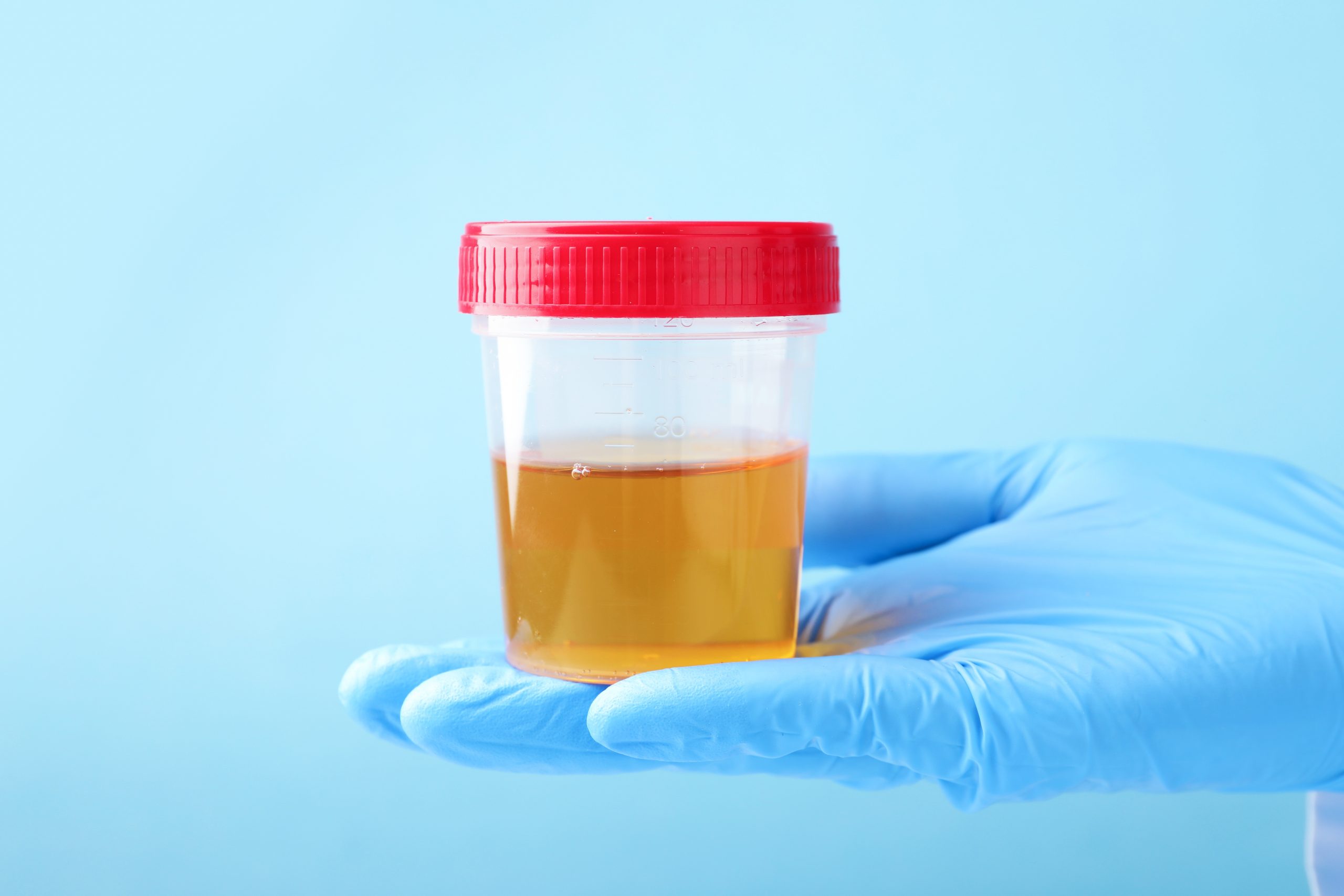
What Is a Urine FEME?
Urine FEME is a laboratory test that examines both the physical and chemical properties of your urine, as well as its microscopic contents.
The test may assess:
- Colour and clarity
- Urine concentration
- Acidity (pH)
- Protein
- Glucose (sugar)
- Ketones
- Blood
- White blood cells
- Red blood cells
- Bacteria
- Crystals
- Casts
These findings provide important clues about your urinary tract, kidneys and general health
Why Might Your Doctor Recommend a Urine FEME?
Your doctor may recommend this test if you have:
- Pain or burning when passing urine
- Frequent urination
- Blood in the urine
- Lower abdominal discomfort
- Fever with suspected urinary tract infection
- Kidney disease
- Diabetes
- High blood pressure
- Routine health screening
It is also commonly performed before surgery or during certain medical assessments.
What Can a Urine FEME Detect?
A Urine FEME may help identify:
- Urinary tract infections (UTIs)
- Kidney disease
- Blood in the urine (haematuria)
- Protein in the urine (proteinuria)
- Diabetes-related changes
- Kidney stones
- Dehydration
- Certain metabolic conditions
It is often used alongside your symptoms, medical history and other investigations to guide diagnosis.
Understanding Your Results
White Blood Cells
An increased number of white blood cells may suggest inflammation or a urinary tract infection.
Red Blood Cells
Blood in the urine may occur for many reasons, including infection, kidney stones or other medical conditions. Further assessment may be required.
Protein
Protein is normally present only in very small amounts. Persistent protein in the urine may indicate kidney disease and should be evaluated.
Glucose
Glucose in the urine may occur when blood sugar levels are elevated and can suggest diabetes or poor glucose control.
Bacteria
The presence of bacteria may indicate a urinary tract infection, particularly when combined with symptoms and increased white blood cells.
How Should You Prepare?
Your doctor may ask for a clean-catch midstream urine sample to reduce contamination and improve the accuracy of the results. In most cases, no fasting is required.
Does an Abnormal Result Mean I Have Kidney Disease?
Not necessarily. Many factors can influence urine test results, including dehydration, exercise, medications and temporary infections. Your doctor will interpret the findings together with your symptoms and, if necessary, recommend further investigations.
When Should You See a Doctor?
Seek medical attention if you experience:
- Pain when passing urine
- Blood in the urine
- Persistent fever
- Frequent urination
- Flank or lower back pain
- Difficulty passing urine
- Persistent urinary symptoms
Early medical evaluation can help identify infections and kidney problems before complications develop.
Doctor's Insight
In my practice, a Urine FEME is one of the most valuable first-line investigations because it is simple, non-invasive and provides important information about the urinary tract and kidneys. When combined with your symptoms and other laboratory tests, it helps guide accurate diagnosis and timely treatment.
– Dr. Teh Boon Teong
Consultant in Internal Medicine
Evercare Medical Care Centre, Penang, Malaysia.
Frequently Asked Questions
What is a Urine FEME?
It is a urine test that evaluates the physical, chemical and microscopic components of your urine.
Can it detect a urinary tract infection?
Yes. It can identify signs of infection, including bacteria and white blood cells.
Do I need to fast?
No. Fasting is usually not required.
Why is there blood in my urine?
Blood in the urine can occur for many reasons, including infection, kidney stones or other medical conditions. Further assessment is important.
How do I collect the sample?
Your doctor will usually advise providing a clean-catch midstream urine sample for the most accurate results.