
Understanding Your Waist Circumference
Many people focus on the number on the weighing scale, but another simple measurement can provide valuable information about your health—your waist circumference.
In my practice, waist circumference is routinely assessed because it helps estimate the amount of fat stored around the abdomen, which is closely linked to long-term health risks.
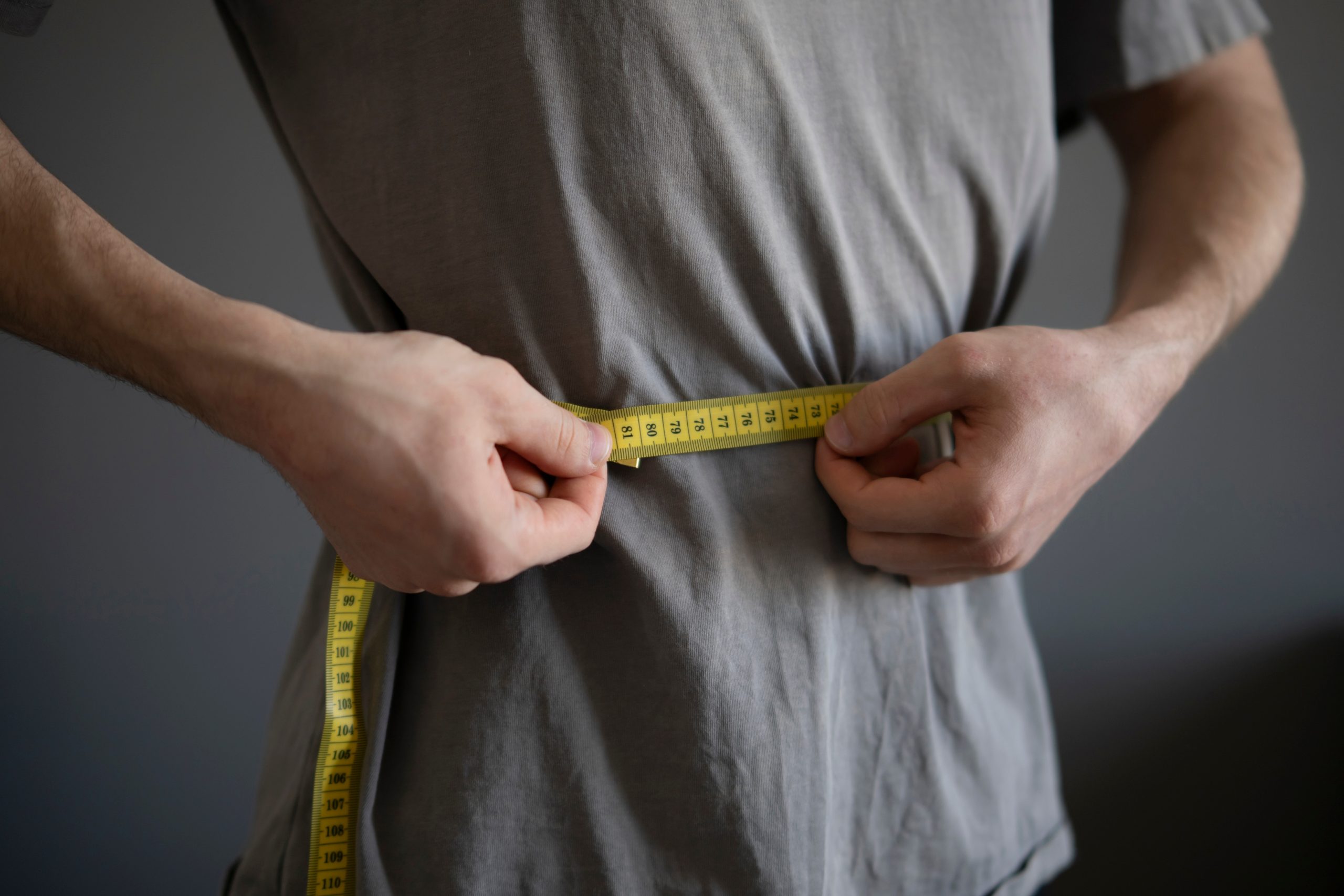
What Is Waist Circumference?
Waist circumference measures the distance around your abdomen, usually at the level just above your hip bones.
Unlike body weight alone, it provides an indication of abdominal fat, particularly visceral fat, which surrounds important internal organs.
Why Is Waist Circumference Important?
A larger waist circumference is associated with an increased risk of:
- Type 2 diabetes
- High blood pressure
- Heart disease
- Stroke
- Fatty liver disease
- Metabolic syndrome
This is because excess abdominal fat is metabolically active and can contribute to inflammation and insulin resistance.
Is Waist Circumference Better Than Body Weight?
Body weight and Body Mass Index (BMI) remain useful screening tools, but they do not show where fat is stored.
Two people with the same weight or BMI may have very different waist measurements and, therefore, different levels of health risk.
Measuring waist circumference alongside body composition provides a more complete picture of your health.
How Is Waist Circumference Measured?
Your healthcare provider will use a flexible measuring tape around your abdomen while you are standing.
For the most accurate measurement:
- Stand upright and relax.
- Breathe out normally.
- Measure around the midpoint between the lower rib and the top of the hip bone (or according to your clinic’s standard protocol).
- Ensure the tape is snug but not compressing the skin.
Your doctor will interpret the measurement using appropriate reference ranges for your sex and ethnic background.
Who Should Monitor Their Waist Circumference?
Waist circumference assessment is especially valuable for people who:
- Are overweight or obese
- Have diabetes or prediabetes
- Have high blood pressure
- Have high cholesterol
- Have a family history of cardiovascular disease
- Are participating in a weight management programme
- Are undergoing routine health screening
Can You Reduce Your Waist Circumference?
Yes.
Healthy lifestyle changes can help reduce abdominal fat, including:
- Regular physical activity
- Strength training
- A balanced diet
- Adequate sleep
- Stress management
- Maintaining a healthy weight
Reducing waist circumference often reflects improvements in overall metabolic health.
Doctor's Insight
In my practice, I remind patients that a tape measure can provide important health information. Waist circumference is a simple yet valuable measurement that helps us assess the risk of chronic diseases and monitor progress over time. Combined with body composition analysis and regular health screening, it supports a more personalised approach to preventive healthcare.
– Dr. Teh Boon Teong
Consultant in Internal Medicine
Evercare Medical Care Centre, Penang, Malaysia.
Frequently Asked Questions
What is waist circumference?
It is the measurement around your abdomen and helps estimate abdominal fat.
Why is waist circumference important?
A larger waist circumference is associated with a higher risk of diabetes, heart disease and other chronic conditions.
Is waist circumference better than BMI?
They provide different information. Waist circumference measures abdominal fat, while BMI estimates body weight relative to height. Using both together gives a more complete health assessment.
Can I reduce my waist circumference?
Yes. Regular exercise, healthy eating and sustainable lifestyle changes can help reduce abdominal fat over time.
Should I monitor my waist circumference regularly?
If you are managing your weight or have risk factors such as diabetes or high blood pressure, regular monitoring can help track your progress.