
Why Early Diagnosis Can Make a Life-Changing Difference
In my daily practice, one of the most common concerns I hear from patients is, “Doctor, I wish I had come earlier.” This is something I see across many conditions—from chronic illnesses to more serious diseases. Early diagnosis often gives us more options, simpler treatments, and better outcomes.
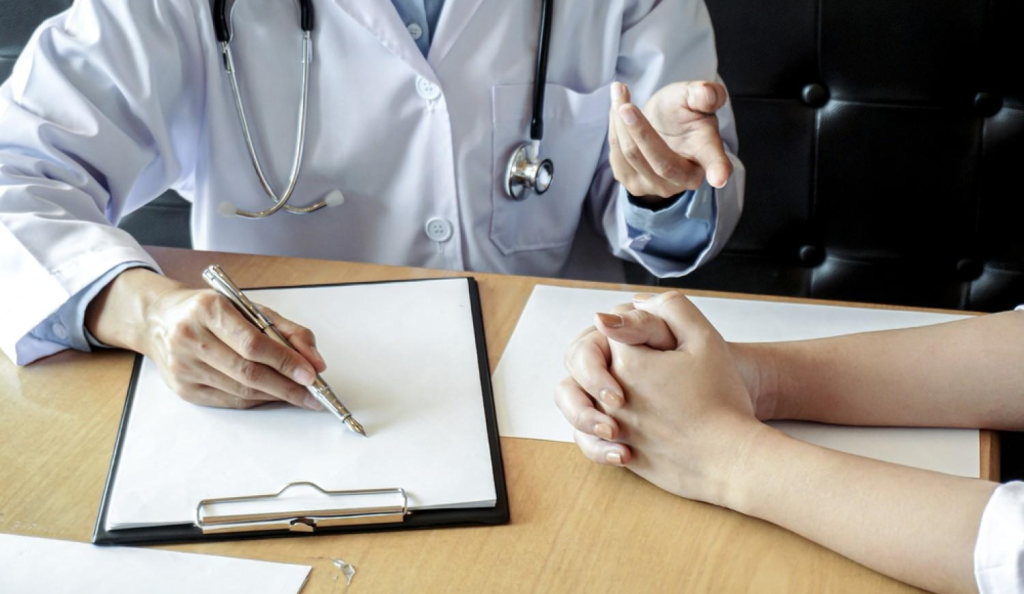
What Do We Mean by Early Diagnosis?
Early diagnosis refers to identifying a medical condition at its initial stage—sometimes even before symptoms become severe. This may happen through routine health screenings or when patients seek medical attention promptly after noticing subtle changes in their body.
Why Early Diagnosis Improves Outcomes
1. More Treatment Options
When a condition is detected early, I often have a wider range of treatment approaches to offer. These may be less invasive and more effective compared to treatments required at later stages.
2. Slower Disease Progression
Many conditions, including diabetes, hypertension, and certain cancers, progress over time. Detecting them early allows us to slow or even halt this progression.
3. Reduced Risk of Complications
Late diagnosis often means the condition has already affected other parts of the body. Early intervention helps prevent complications that can be more difficult to manage.
4. Better Quality of Life
Patients who receive early treatment typically experience fewer symptoms and can maintain their daily routines with minimal disruption.
Common Situations Where Early Diagnosis Matters
In my experience, early diagnosis is particularly important in:
- Chronic diseases like diabetes and high blood pressure
- Heart conditions
- Cancers
- Musculoskeletal problems such as joint or spine issues
Many of these conditions start with mild or vague symptoms that are easy to ignore.
When Should You See a Doctor?
I always advise patients not to wait for symptoms to become severe. Consider seeking medical evaluation if you notice:
- Persistent pain or discomfort
- Unexplained fatigue
- Changes in weight or appetite
- Symptoms that last longer than expected
Even if it turns out to be nothing serious, getting checked early provides reassurance and clarity.
The Role of Regular Health Screening
Preventive health screening plays a key role in early diagnosis. Many conditions can be detected before symptoms even appear. In my practice, patients who come for regular check-ups often benefit from early intervention and simpler management plans.
Doctor’s Insight
From what I see in clinical practice, early diagnosis is not just about detecting disease—it’s about giving patients the best possible chance at recovery and long-term health. When in doubt, it is always safer to seek medical advice earlier rather than later.
– Dr. Balavendrian Anthony
Physician | Palliative Care
Evercare Medical Care Centre, Penang, Malaysia.
Frequently Asked Questions
Why is early diagnosis important?
Early diagnosis allows doctors to treat conditions before they become more serious or complicated.
What happens if I delay seeing a doctor?
Delays may lead to disease progression, making treatment more complex and less effective.
Are mild symptoms something to worry about?
Not always, but persistent or unusual symptoms should be evaluated.
How often should I go for health screening?
This depends on your age, risk factors, and medical history, but regular check-ups are generally recommended.