
Why Preventive Healthcare Is Becoming More Important: What I Tell My Patients in Daily Practice
In my daily practice, one of the most common things I hear from patients is: “Doctor, I feel fine, so I don’t think I need a check-up.”
However, many chronic diseases such as diabetes, high blood pressure, and early heart disease develop silently. By the time symptoms appear, the condition may already be advanced. This is why preventive healthcare has become one of the most important pillars of modern medicine.
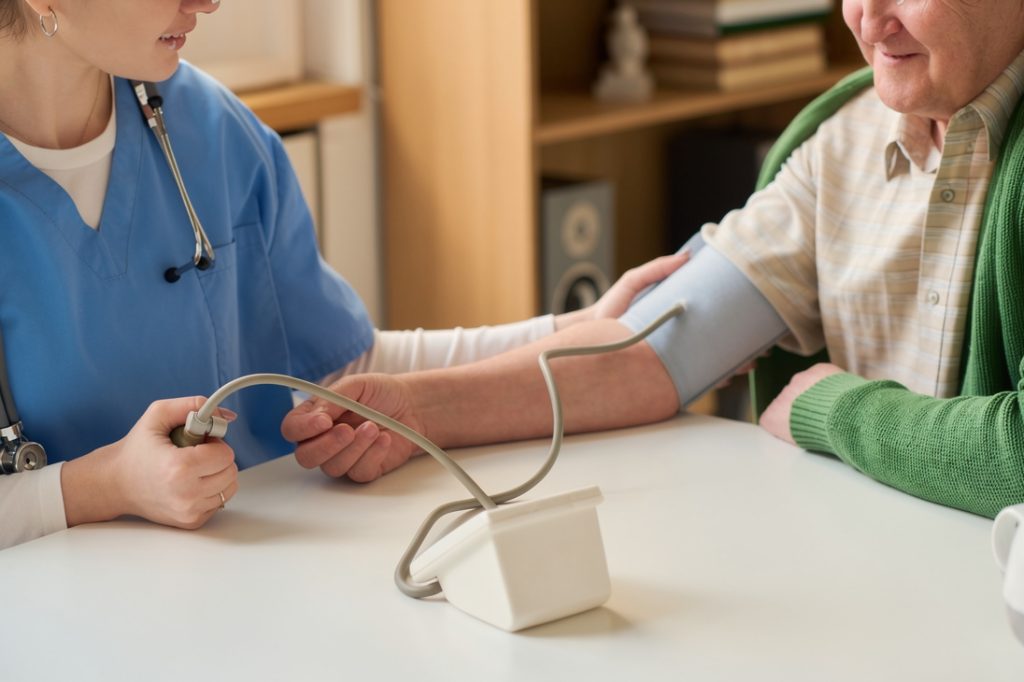
Why Preventive Healthcare Matters More Today
In the past, healthcare was often focused on treating illness after it occurred. Today, we are seeing a shift toward identifying risk factors earlier and preventing disease before it starts.
There are several reasons for this change:
1. Chronic diseases are increasing globally
Conditions like diabetes, hypertension, and high cholesterol are becoming more common, even among younger adults.
2. Many conditions have no early symptoms
I often see patients surprised by abnormal blood sugar or blood pressure results during routine screening.
3. Lifestyle factors play a major role
Diet, stress, lack of exercise, and poor sleep significantly influence long-term health outcomes.
What Preventive Healthcare Includes
Preventive healthcare is not just about blood tests. It includes:
- Regular health screening
- Blood pressure and cholesterol checks
- Blood sugar monitoring
- Cancer screening (when appropriate)
- Vaccinations
- Lifestyle assessment and counselling
What I Commonly See in Practice
One pattern I often observe is patients coming in only when symptoms become severe. For example, individuals with uncontrolled diabetes who were unaware of their condition for years.
In many cases, earlier screening could have prevented complications such as kidney disease, stroke, or nerve damage.
When Should You Seek Preventive Screening?
I usually recommend screening if you:
- Are above 30–40 years old
- Have a family history of chronic disease
- Lead a sedentary lifestyle
- Experience persistent fatigue or weight changes
- Have not had a health check in over a year
Doctor’s Insight
Preventive healthcare is not about finding problems—it is about reducing future risk. In medicine, I always remind my patients that the earlier we identify risk factors, the more control we have over long-term health outcomes.
Taking action early often means simpler treatment, lower cost, and significantly better quality of life.
– Dr. Teh Boon Teong
Consultant in Internal Medicine
Evercare Medical Care Centre, Penang, Malaysia.
Frequently Asked Questions
If I feel healthy, do I still need a check-up?
Yes. Many conditions have no early symptoms.
How often should I do a health screening?
Usually once a year, depending on your risk factors.
What diseases can be detected early?
Diabetes, hypertension, high cholesterol, and some cancers.
Is preventive healthcare expensive?
It is generally more cost-effective than treating late-stage disease.