
What Doctor Is a Wound Care Specialist?
When a wound does not heal properly, many patients start to wonder: “What kind of doctor should I see?”
For simple wounds, a general practitioner can usually provide the first level of care. Many small cuts, minor injuries, simple surgical wounds, and routine dressing cases can be safely managed by a GP.
However, when a wound becomes chronic, infected, diabetic, deep, recurring, or slow to heal, wound care becomes more complex. In these situations, it may be better to see a doctor with focused experience in wound care.
This is often what people mean when they ask for a “wound care specialist.”
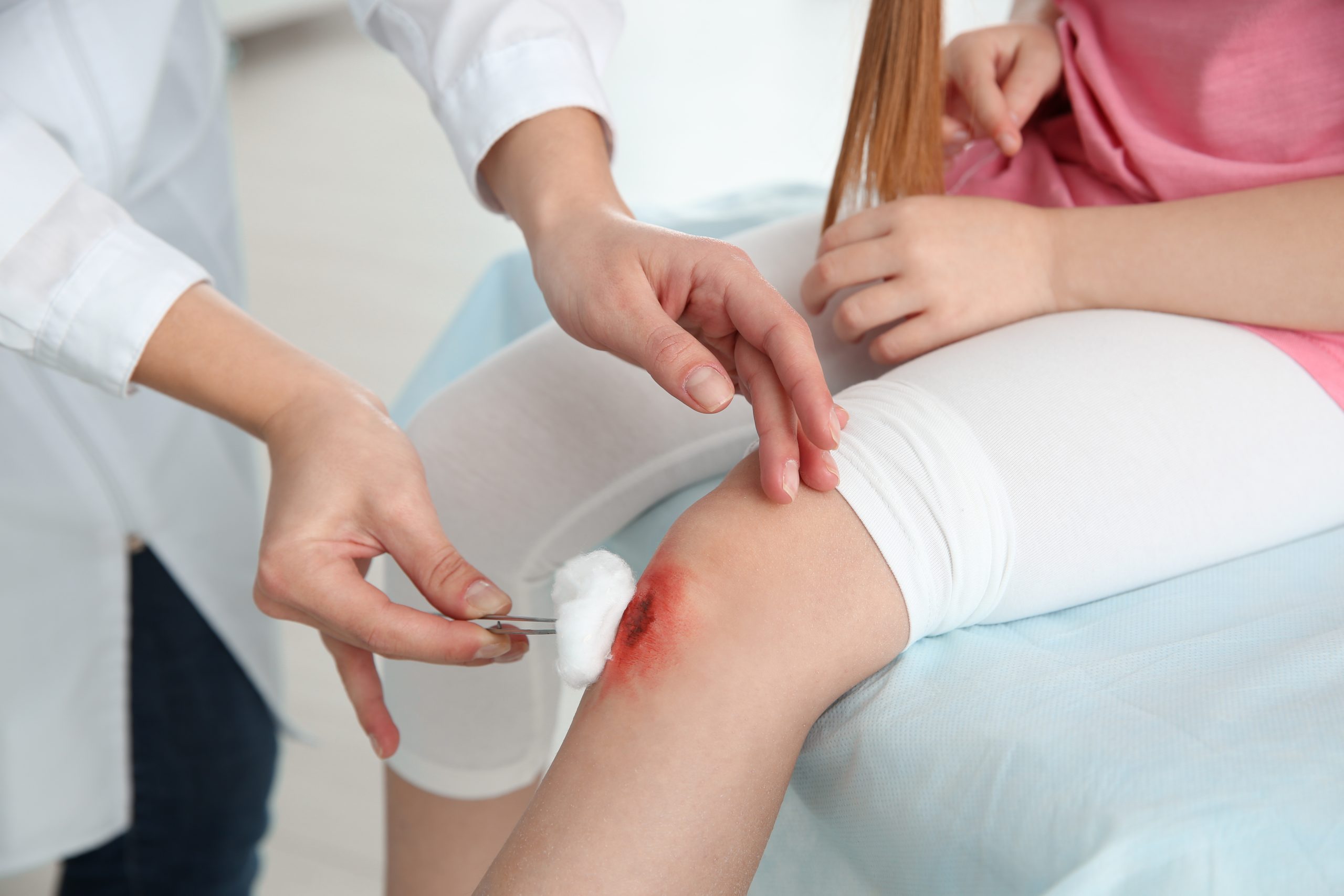
What Is a Wound Care Specialist?
A wound care specialist is a healthcare professional who has focused training, experience, and clinical interest in wound assessment and wound management.
In practice, this may include doctors, nurses, and allied healthcare professionals who are trained in wound care. For patients with more complex wounds, a doctor with wound care experience can assess not only the wound itself, but also the underlying reasons why the wound is not healing.
A wound care specialist may manage wounds such as:
- Diabetic foot wounds
- Chronic non-healing wounds
- Pressure sores
- Venous leg ulcers
- Infected wounds
- Surgical wounds with delayed healing
- Traumatic wounds
- Wounds with dead tissue
- Wounds at risk of worsening complications
The focus is not only on dressing the wound. The focus is to understand the wound, identify the cause, manage the risk factors, and create a structured treatment plan.
Is Wound Care a Medical Specialty in Malaysia?
In Malaysia, wound care is not yet commonly known by the public as a separate medical specialty in the same way as cardiology, orthopaedics, or dermatology.
However, wound care is a recognised and important field of clinical practice. It requires specific skills, structured knowledge, and practical experience.
Internationally, wound care is widely recognised as a specialised area of care, with wound care societies, wound care certifications, wound care training programmes, and dedicated wound care units.
In Malaysia, the Malaysian Society of Wound Care Professionals has been actively involved in wound care education, certification, training, and professional development. This is important because wound care standards affect many patients, especially those with diabetes, elderly patients, post-surgical wounds, and chronic non-healing wounds.
Through my role as a committee member, representative, and trainer with the Malaysian Society of Wound Care Professionals, I have seen how important structured wound care education is for Malaysia. My mission is not only to treat wounds, but also to help raise the standard of wound care so that more patients can receive proper assessment and evidence-based management earlier.
What Does a Wound Care Doctor Do?
A wound care doctor looks beyond the surface of the wound.
Many wounds do not heal simply because the correct cause has not been identified. A wound may be affected by diabetes, infection, poor blood flow, pressure, swelling, poor nutrition, reduced immunity, repeated trauma, or inappropriate dressing method.
A wound care doctor may assess:
- The type of wound
- The size and depth of the wound
- Whether there is infection
- Whether there is dead tissue
- Whether blood circulation may be affected
- Whether pressure is delaying healing
- Whether diabetes or other medical conditions are affecting recovery
- Whether the current dressing method is suitable
- Whether advanced wound care is needed
This assessment helps guide the most suitable wound care plan.
When Should You See a Wound Care Specialist?
You should consider seeing a wound care specialist or a doctor with focused wound care experience if:
- The wound is not healing after one to two weeks
- The wound is getting bigger or deeper
- The wound has increasing pain, swelling, discharge, or smell
- You have diabetes
- The wound is on the foot
- The wound has black tissue, yellow tissue, or dead tissue
- The wound keeps coming back
- The wound is infected
- Dressing has been done repeatedly but there is little improvement
- You have been told there may be a risk of surgery or amputation
For diabetic foot wounds and chronic wounds, early proper care is very important. Waiting too long may increase the risk of infection, hospital admission, higher treatment cost, or serious complications.
Is a GP Still Important in Wound Care?
Yes. GPs play an important role in wound care.
A GP is often the first doctor a patient sees. Many simple wounds can be treated well by a GP, and early GP care can help prevent complications.
A wound care doctor does not replace the GP. Instead, wound care doctors are especially helpful when the wound is more complex, slow to heal, infected, diabetic, or at higher risk.
The best approach is to match the wound with the right level of care.
Why Wound Care Needs Specific Skills
Wound care is not just “clean and dressing.”
Different wounds need different strategies. A dry wound, wet wound, infected wound, diabetic wound, pressure wound, or wound with poor circulation may all require different management.
Proper wound care may involve:
- Wound bed preparation
- Infection control
- Removal of dead tissue when needed
- Moisture balance
- Pressure relief
- Blood flow assessment
- Diabetes control
- Nutrition support
- Suitable dressing selection
- Regular monitoring and follow-up
This is why experience matters. The dressing is only one part of wound care. The clinical decision behind the dressing is equally important.
How to Choose a Wound Care Doctor
When choosing a doctor for wound care, patients may consider:
- Does the doctor have focused experience in wound care?
- Does the doctor regularly manage chronic wounds and diabetic wounds?
- Is the doctor involved in wound care training or education?
- Is the doctor connected with wound care professional bodies?
- Does the clinic provide structured wound assessment?
- Does the doctor explain the wound condition clearly?
- Is there a follow-up plan to monitor healing progress?
No title alone can guarantee healing, but these factors can help patients make a more informed decision.
Doctor's Insight
A wound care specialist is someone with focused knowledge, training, and experience in wound assessment and wound management.
For a simple wound, a GP may be enough.
But if the wound is diabetic, chronic, infected, deep, slow-healing, or difficult to manage, it is better to seek proper wound care assessment early.
Wound care is not always simple. The right doctor, the right assessment, and the right treatment plan can make a real difference.
– Dr. Sreedharan Muniandy
Physician | Advanced Wound Care Centre
Evercare Medical Care Centre, Penang, Malaysia.
Frequently Asked Questions
What doctor is a wound care specialist?
A wound care specialist is usually a doctor or healthcare professional with focused training and experience in wound assessment and wound management, especially for chronic, diabetic, infected, and slow-healing wounds.
Should I see a GP or wound care doctor for a wound?
For simple wounds, a GP is often suitable. For chronic wounds, diabetic wounds, infected wounds, deep wounds, or wounds that are not healing, it is better to see a doctor with focused wound care experience.
Is wound care a specialty in Malaysia?
Wound care is not commonly understood by the public as a separate medical specialty in Malaysia, but it is an important clinical field that requires specific knowledge, skill, and experience.
What wounds need a wound care specialist?
Diabetic foot wounds, chronic non-healing wounds, pressure sores, infected wounds, surgical wounds with delayed healing, venous leg ulcers, and wounds with dead tissue may need wound care specialist assessment.
Why is my wound not healing?
A wound may not heal because of diabetes, infection, poor blood circulation, pressure, swelling, poor nutrition, dead tissue, repeated trauma, or an unsuitable dressing method.
When should I worry about a wound?
You should seek medical attention if the wound is worsening, painful, swollen, smelly, discharging fluid or pus, turning black, or not improving after one to two weeks.