
What Is Bilirubin? A Doctor Explains Why It Matters
One question I often hear from patients after receiving their blood test results is, “Doctor, what is bilirubin, and should I be worried?” Seeing an abnormal bilirubin level can be concerning, especially if it is accompanied by yellowing of the eyes or skin. In many cases, an elevated bilirubin level is temporary and treatable, but sometimes it can be an early sign of a liver or bile duct condition that deserves further evaluation.
Understanding what bilirubin is and what affects its level can help you know when medical attention is needed.
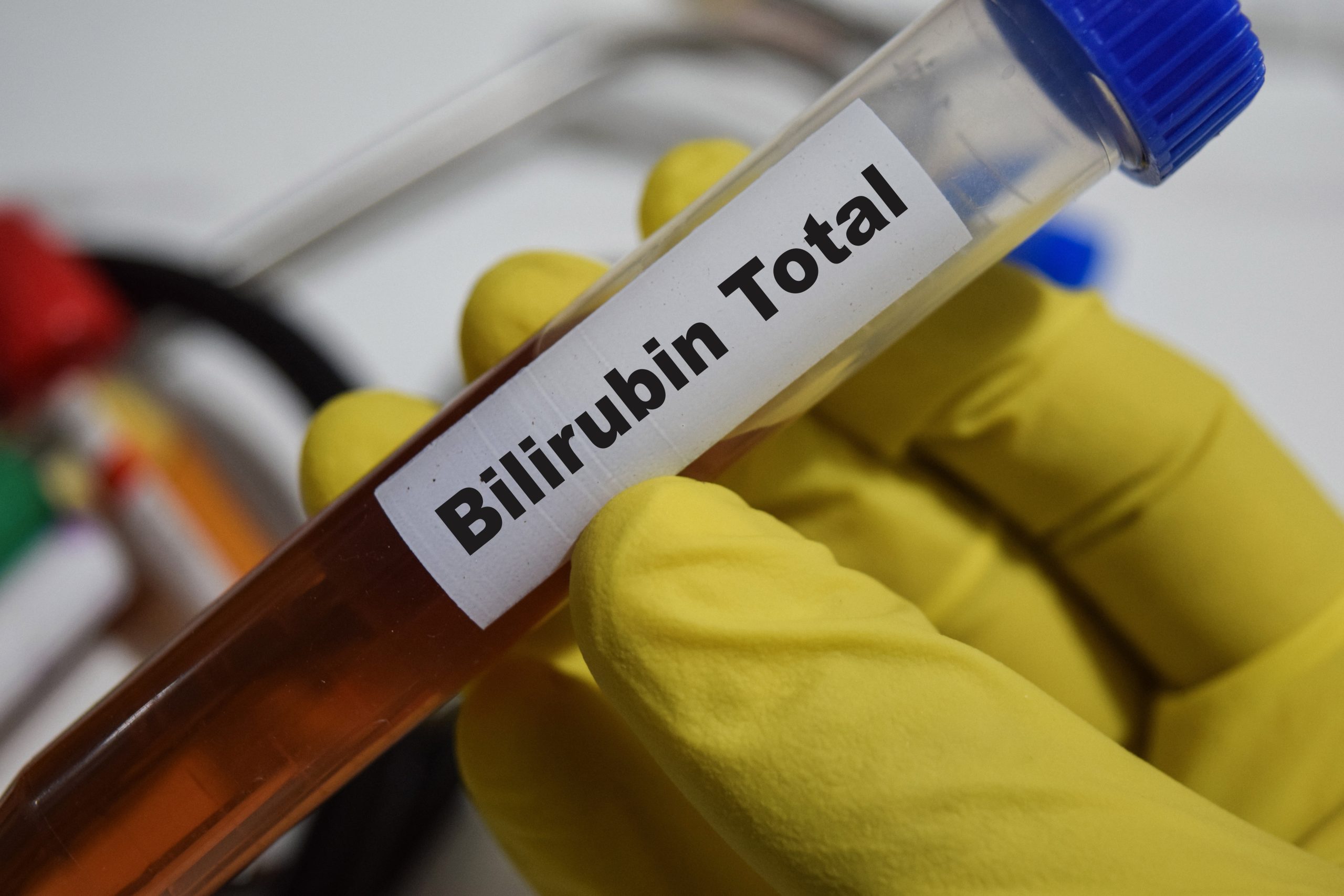
What Is Bilirubin?
Bilirubin is a yellow pigment produced when the body naturally breaks down old red blood cells. The liver processes bilirubin before it is removed through the digestive system.
Because the liver plays a central role in processing bilirubin, abnormal levels can sometimes indicate that the liver, gallbladder, or bile ducts are not functioning normally.
What Causes High Bilirubin?
There are several possible causes, including:
- Liver inflammation (hepatitis)
- Fatty liver disease
- Gallstones blocking the bile ducts
- Certain inherited conditions such as Gilbert syndrome
- Increased breakdown of red blood cells (haemolysis)
- Some medications
- Bile duct obstruction
Not every elevated bilirubin result means serious liver disease. The cause depends on your symptoms, medical history, physical examination, and additional blood tests.
Symptoms of High Bilirubin
Some people have no symptoms at all. Others may notice:
- Yellowing of the eyes or skin (jaundice)
- Dark urine
- Pale stools
- Itchy skin
- Fatigue
- Nausea
- Abdominal discomfort
The severity of symptoms varies depending on the underlying cause.
How Is It Diagnosed?
- Medical history
- Physical examination
- Liver function blood tests
- Total and direct bilirubin levels
- Full blood count
- Ultrasound of the liver and gallbladder if indicated
- Additional imaging or specialist tests when necessary
These investigations help identify whether the problem originates from the liver, bile ducts, or increased red blood cell breakdown.
Can High Bilirubin Be Treated?
Treatment depends on the underlying cause rather than the bilirubin level itself.
For example:
- Viral hepatitis requires appropriate medical management.
- Gallstones may require further evaluation or surgery.
- Fatty liver disease often improves with lifestyle changes.
- Medication-related liver injury may improve after adjusting treatment under medical supervision.
- Gilbert syndrome usually does not require treatment.
This is why accurate diagnosis is important before deciding on management.
When Should You See a Doctor?
You should seek medical evaluation if you notice:
- Yellow eyes or skin
- Persistent nausea or vomiting
- Severe abdominal pain
- Dark urine or pale stools
- Fever with jaundice
- An abnormal liver blood test
- Unexplained fatigue lasting several weeks
Early assessment allows us to identify the cause and begin appropriate treatment if needed.
Doctor's Insight
As doctors, we do not treat a bilirubin number in isolation—we treat the person behind the result. An elevated bilirubin level is a clue that tells us to look more closely at your liver, gallbladder, blood, and overall health. If you develop jaundice or receive an abnormal bilirubin result, don’t ignore it. A proper medical evaluation can identify the cause and help guide the most appropriate care.
– Dr. Balavendrian Anthony
Physician | Palliative Care
EvercareInternational Health Screening Centre
Medical Care Centre, Penang, Malaysia.
Frequently Asked Questions
What is bilirubin?
Bilirubin is a yellow pigment produced when old red blood cells are broken down. Your liver processes it so it can be removed from the body.
Is high bilirubin always serious?
No. Some causes are harmless, while others require medical attention. The underlying cause determines the significance.
Can high bilirubin return to normal?
Yes, depending on the cause and appropriate treatment.
Does high bilirubin always mean liver disease?
No. It can also result from gallstones, certain inherited conditions, increased red blood cell breakdown, or medication-related effects.
When should I see a doctor?
If you have jaundice, dark urine, pale stools, abdominal pain, fever, or an abnormal bilirubin result, you should seek medical evaluation.