
Why I Always Advise My Diabetic Patients to Check Their Feet Every Day
As a doctor, one of the most important yet often overlooked habits I emphasize to my diabetic patients is daily foot checking. In my clinical experience, many serious complications start silently in the feet—long before patients feel pain or notice a problem.
Diabetes affects both blood circulation and nerve sensation. This means injuries can develop and worsen without the patient realizing it. By the time they seek medical attention, what could have been a simple issue may already be a serious infection.
Why the Feet Are at Risk in Diabetes
When blood sugar remains elevated over time, two major problems occur:
- Nerve damage (neuropathy) – Patients may not feel cuts, blisters, or pressure injuries.
- Poor blood circulation – Wounds heal slowly and are more prone to infection.
In combination, these factors create a high-risk environment for unnoticed injuries that can worsen quickly.
What I Commonly See in Clinic
Many patients only discover foot problems when they notice swelling, discoloration, or a wound that will not heal. Some even arrive after an infection has already spread deeper into tissue.
A very common pattern I observe is:
- A small blister or cut
- No pain due to nerve damage
- Continued walking and pressure
- Infection developing silently
This is why daily inspection is not optional—it is preventive care.
What Diabetic Patients Should Look For
During a daily foot check, patients should look for:
- Cuts, cracks, or blisters
- Redness or swelling
- Darkened skin or color changes
- Fluid or pus discharge
- Thickened nails or fungal infection
- Areas of pressure or callus formation
Even small changes should not be ignored.
Why “No Pain” Does NOT Mean “No Problem”
One of the most dangerous misunderstandings I encounter is the belief that absence of pain means everything is fine. In diabetic neuropathy, nerve signals are reduced, so injuries may not trigger discomfort.
By the time pain appears, the condition may already be advanced.
When You Should Seek Medical Attention
I advise patients to seek medical evaluation immediately if they notice:
- Any wound that does not improve within 24–48 hours
- Signs of infection (redness, warmth, discharge)
- Black or darkened tissue
- Swelling of the foot or leg
- Fever along with foot symptoms
Early treatment significantly reduces the risk of complications.
Simple Daily Prevention Habit
A quick 1–2 minute daily routine can make a major difference:
- Check both feet in good lighting
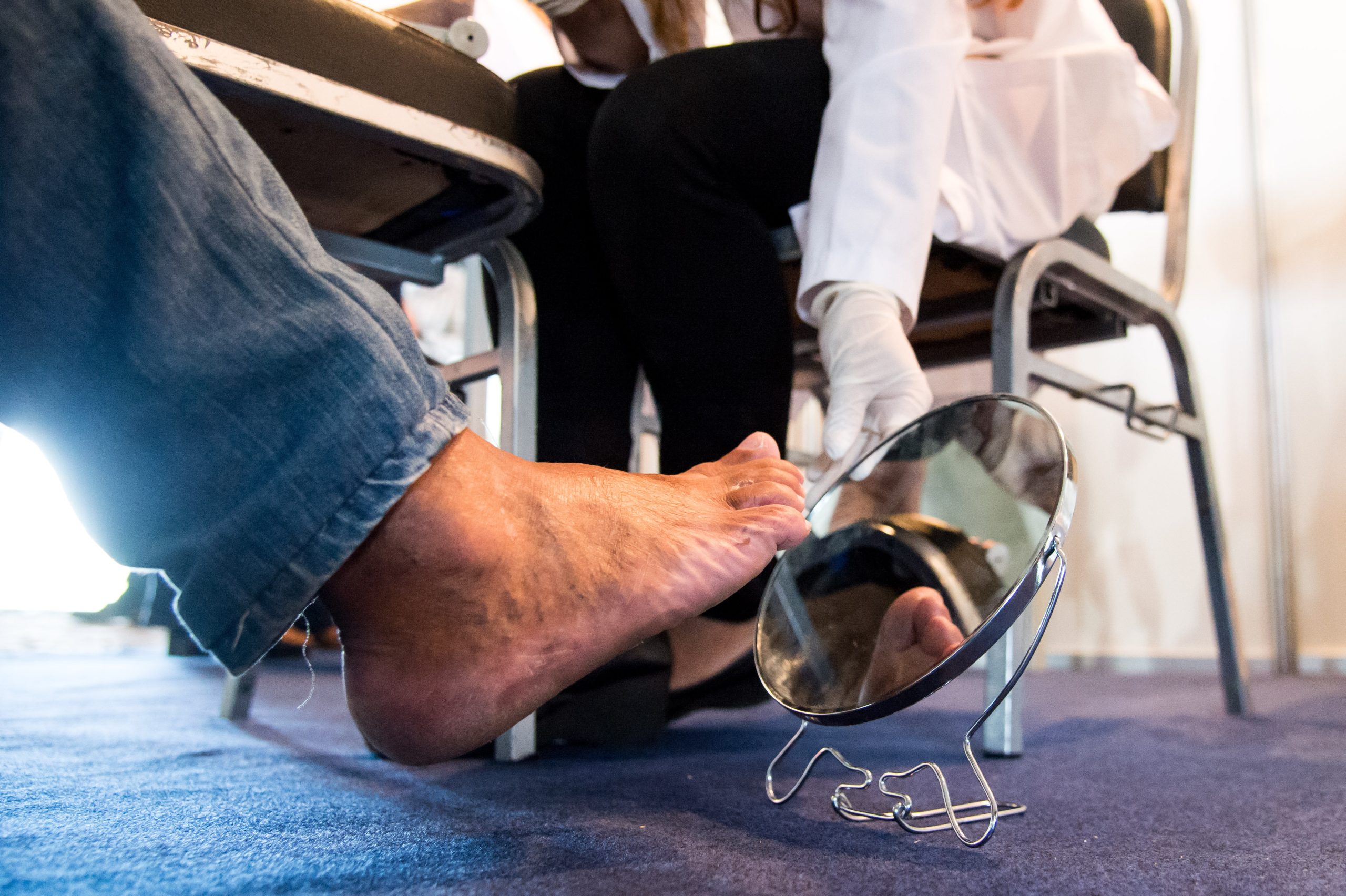
- Use a mirror if needed
- Inspect between toes
- Keep feet clean and dry
- Wear proper footwear even indoors
Consistency is more important than complexity.
Doctor’s Insight
In my experience, diabetic foot complications are largely preventable when patients adopt early awareness habits. Daily foot checks may seem simple, but they are one of the most effective ways to prevent infections, hospital admissions, and long-term disability.
– Dr. Sreedharan Muniandy
Physician | Advanced Wound Care
Evercare Medical Care Centre, Penang, Malaysia.
Frequently Asked Questions
Why don’t I feel pain in my feet even when there is a wound?
Diabetes can damage nerves, reducing sensation in the feet.
How often should I check my feet?
At least once daily.
Can small cuts really become dangerous?
Yes, especially if infection develops unnoticed.
Should I see a doctor for minor wounds?
Yes, if it does not heal quickly or shows signs of infection.