
What Liver Function Tests Tell Doctors About Your Health
In my practice, many patients become anxious when they hear that their “liver test is abnormal.” One of the most common questions I hear is: “Does this mean I have serious liver disease?”
The reality is that liver function tests are not just one single test. They are a group of blood tests that help doctors understand how the liver is functioning, whether there is inflammation, and whether the liver may be under stress from conditions such as fatty liver disease, infections, medications, alcohol use, or metabolic problems.
Sometimes the changes are mild and temporary. In other situations, they may be an early warning sign that deserves further evaluation with Radiological Investigation.
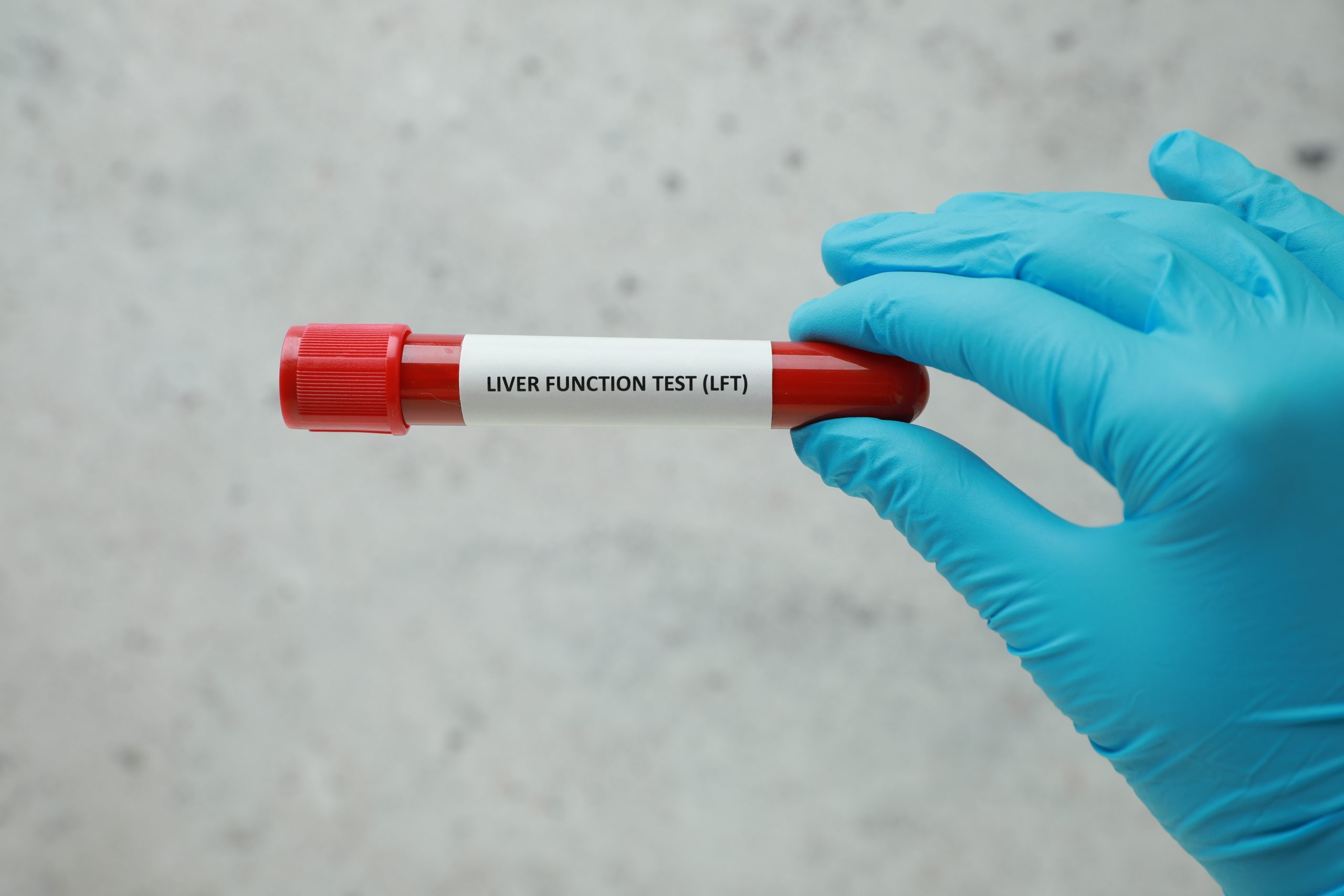
What Are Liver Function Tests?
Liver function tests, often called LFTs, are blood tests that measure different enzymes and proteins related to liver health.
These tests help doctors assess:
- Liver inflammation
- Liver cell injury
- Bile flow problems
- The liver’s ability to produce proteins
- Possible infections or chronic liver conditions
Doctors may order these tests during routine health screenings or when patients have symptoms such as:
- Fatigue
- Yellowing of the eyes or skin
- Nausea
- Dark urine
- Unexplained itching
- Vomiting
- Abdominal Pain/ Discomfort
Common Liver Function Tests Explained
ALT and AST
ALT and AST are enzymes found inside liver cells.
When liver cells become inflamed or damaged, these enzymes can leak into the bloodstream. Elevated levels may be seen in:
- Fatty liver disease
- Viral hepatitis
- Alcohol-related liver injury
- Medication side effects
- Metabolic conditions
In clinical practice, I often see mildly elevated liver enzymes in patients with obesity, diabetes, high cholesterol, or sedentary lifestyles.
ALP and GGT
These tests may indicate problems involving the bile ducts or bile flow.
Doctors sometimes investigate these results further if there are concerns about:
- Gallstones
- Bile duct obstruction
- Certain liver diseases
- Medication effects
GGT may also rise with excessive alcohol intake.
Bilirubin
Bilirubin is a yellow pigment processed by the liver.
High bilirubin levels may lead to jaundice, where the skin or eyes appear yellow. Causes can range from mild temporary conditions to liver disease or bile duct blockage.
Albumin and Clotting Function
The liver also produces important proteins such as albumin and clotting factors.
Low levels may suggest that the liver’s overall function has been affected, especially in more advanced or chronic liver disease.
Do Abnormal Liver Tests Always Mean Liver Disease?
Not necessarily but need to be investigated future.
This is something I explain frequently to patients. Mild abnormalities can sometimes occur due to:
- Recent infections
- Certain medications
- Supplements or herbal products
- Alcohol intake
- Intense exercise
- Temporary inflammation
However, persistent abnormalities should not be ignored. Follow-up testing or imaging may be needed to identify the underlying cause.
Fatty Liver Disease Is Increasingly Common
One of the most common findings today is non-alcoholic fatty liver disease (NAFLD).
Many patients are surprised to learn they have fatty liver because they may feel completely well. Often, the condition is first detected through routine blood tests or ultrasound scans.
Risk factors include:
- Excess weight
- Diabetes
- High cholesterol
- High blood pressure
- Lack of exercise
Early lifestyle changes can help reduce liver inflammation and improve long-term health.
When Should You Seek Medical Evaluation?
You should consider medical evaluation if:
- Liver tests remain abnormal
- You develop jaundice
- You experience persistent fatigue or abdominal pain
- There is a history of hepatitis
- You consume alcohol heavily
- You have diabetes or obesity with abnormal blood tests
Doctors may recommend additional investigations such as repeat blood tests, ultrasound imaging, or further liver assessment depending on the results.
Doctor’s Insight
In my experience, liver function tests are valuable because they can detect problems early — sometimes even before symptoms appear. Many liver conditions are manageable when identified early, especially lifestyle-related liver disease.
Rather than becoming alarmed by abnormal results, patients should focus on understanding what the tests mean in the context of their overall health. A proper medical evaluation helps determine whether the findings are temporary, mild, or something that requires closer attention.
– Dr. Balavendrian Anthony
Physician | Palliative Care
Evercare Medical Care Centre, Penang, Malaysia.
Frequently Asked Questions
What is a liver function test?
A blood test that helps assess liver health and detect inflammation or oxidation stress.
What causes high liver enzymes?
Common causes include fatty liver disease, alcohol, medications, infections, and metabolic conditions.
Can liver problems exist without symptoms?
Yes. Many liver conditions, especially fatty liver disease, may not cause symptoms early on.
Should I repeat abnormal liver tests?
Doctors often recommend repeat testing or further evaluation depending on the results.
Can lifestyle changes improve liver health?
In many cases, weight management, exercise, reducing alcohol intake, and healthy eating can help improve liver health.