
Understanding Why We Ignore Early Health Warning Signs
In my practice, I often see patients who only come for help when their symptoms have worsened. Many people notice early warning signs—like persistent fatigue, mild chest discomfort, or short-term digestive changes—but dismiss them. Understanding why we ignore these signals can help us act sooner and prevent complications.
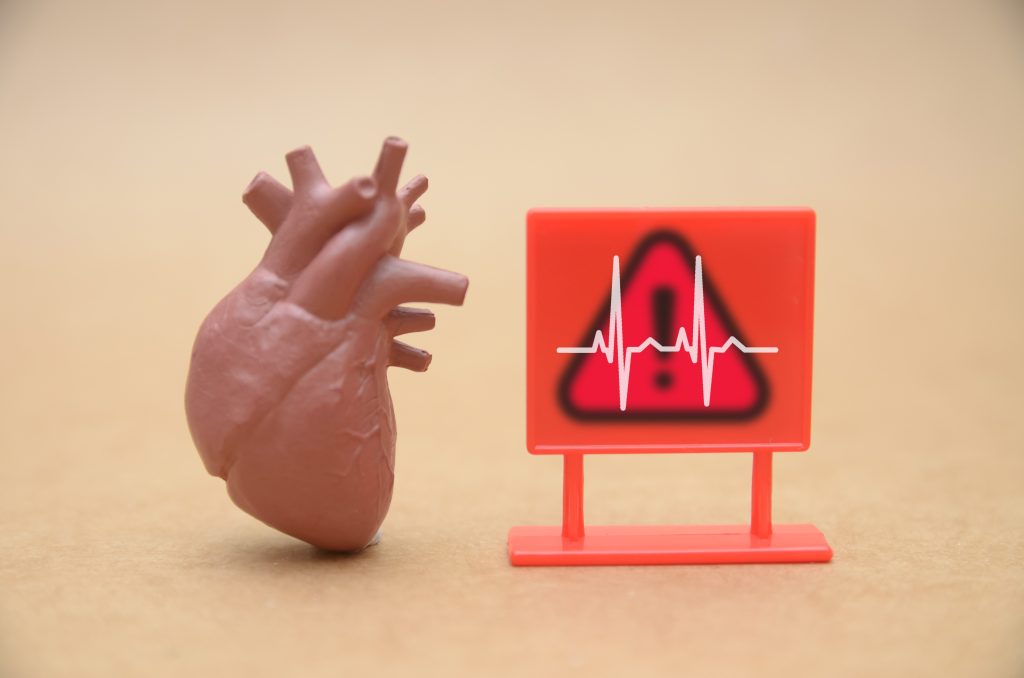
1. Common Reasons People Ignore Symptoms
Many patients tell me they were too busy, assumed the symptoms were temporary, or were afraid of bad news. Psychological factors like denial and optimism bias also play a role—they believe “it’s probably nothing.”
2. Subtle Symptoms That Shouldn’t Be Overlooked
- Persistent fatigue or unexplained weight change
- Shortness of breath or palpitations
- Ongoing digestive or urinary changes
- Unusual pain or swelling
These early signs can indicate conditions ranging from diabetes and heart disease to infections or cancer.
3. The Risks of Delaying Medical Evaluation
Ignoring early symptoms often leads to more complicated treatment, longer recovery, and, in some cases, life-threatening outcomes. Acting early increases the likelihood of successful management.
4. How to Respond to Early Warning Signs
- Track any unusual changes in your body
- Schedule routine checkups with your doctor
- Seek prompt evaluation for persistent or worsening symptoms
Doctor’s Insight
I encourage everyone to listen to their bodies. If something feels off, don’t wait—it’s better to have reassurance or early intervention than to ignore warning signs that could become serious.
– Dr. Teh Boon Teong
Consultant in Internal Medicine
Evercare Medical Care Centre, Penang, Malaysia.
Frequently Asked Questions
Why do people ignore early health signs?
Busy schedules, fear, denial, or thinking symptoms are temporary.
Which early signs should I pay attention to?
Persistent fatigue, shortness of breath, palpitations, unusual pain, digestive or urinary changes.
When should I see a doctor?
If symptoms are persistent, worsening, or unusual for you, schedule a checkup promptly.
Can early action prevent serious illness?
Yes. Early evaluation often leads to better outcomes and simpler treatment.