Is Your Leg Wound Not Healing Properly?
Venous ulcers can be slow to heal, especially when swelling and poor venous circulation continue to affect the lower limb.
When a venous ulcer does not heal as expected, proper assessment is important to identify the underlying cause.
What Is a Chronic Venous Ulcer?
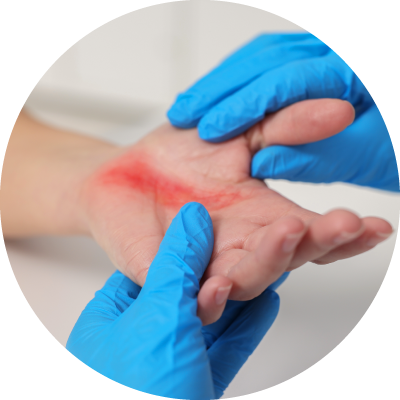
A chronic venous ulcer is a wound usually found on the lower leg, often related to poor venous circulation.
Healing may be affected by:
These wounds often require more than routine dressing alone. Effective care usually involves addressing both the wound and the underlying venous problem.
Why Proper Management Matters
Chronic venous ulcers should not be ignored. If not managed appropriately, they may:
Early and appropriate care plays a key role in supporting healing and reducing recurrence.
How We Manage Chronic Venous Ulcers
Make Your Appointment Now
Advanced Wound Care and Routine Dressing
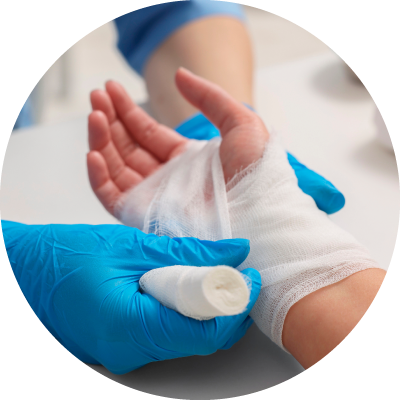
Some wounds respond to routine dressing and simple follow-up. However, chronic venous ulcers often require a more structured approach in proper setup, especially when swelling, poor venous circulation, or recurrence are involved.
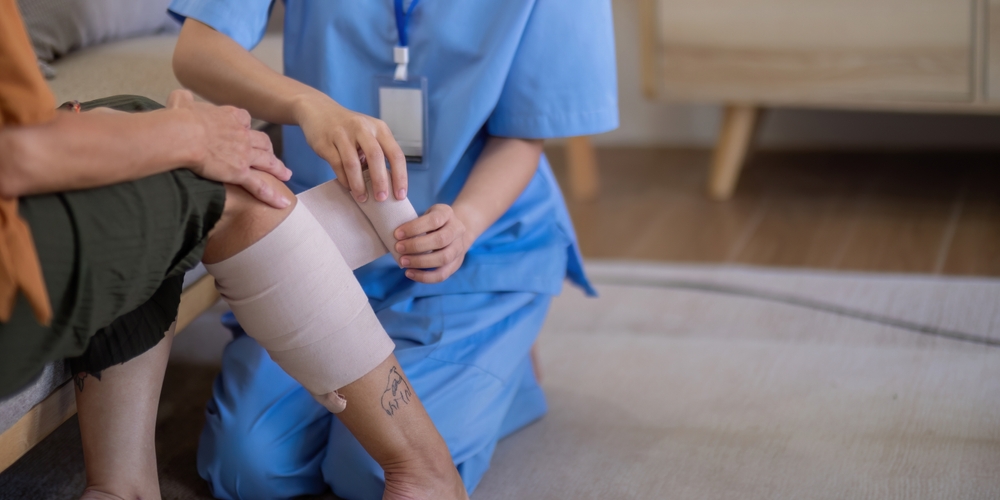
In these situations, wound assessment, compression support where appropriate, and close monitoring become especially important.
Why Patients Seek Care at Evercare
Patients with chronic venous ulcers often need more than repeated dressing alone. Our focus is on structured, doctor-led care with regular review and ongoing follow-up.
We focus on supporting proper healing through assessment, clinical judgment, and continuity of care.
Clinical Leadership and Professional Sharing
Our wound care services are led by Dr Sreedharan Muniandy. Alongside clinical practice, he has also been involved in teaching, case-based sharing, and professional learning sessions in wound management. Our centre has also welcomed educational visits from doctors and healthcare organisations interested in observing structured wound care approaches.
This ongoing involvement in clinical education and professional exchange reflects our commitment to maintaining a thoughtful, structured, and patient-centred approach to wound care.
When Should You Seek Treatment?
The wound has not healed after several days or weeks
The wound keeps recurring in the same area
There is repeated dressing without improvement
You notice redness, swelling, discharge, or odour
You have persistent lower leg swelling
The wound appears to become larger over time
Early assessment is important for leg wounds that are slow to heal or repeatedly recur.
Frequently Asked Questions
Book an Assessment
If you are looking for chronic venous ulcer treatment in Penang, our team is available to provide assessment, structured wound care, and ongoing follow-up for diabetic foot wounds.