Has Your Wound Happened After an Injury or Accident?
Some wounds occur suddenly after a fall, cut, sharp injury, scrape, or puncture. While some minor wounds may heal with simple care, others may require closer assessment, proper dressing, and monitoring to support healing.
When a wound happens after injury, proper assessment is important to understand the depth, wound condition, and what type of care may be needed.
Need wound care after an injury?
What Is a Traumatic Wound?
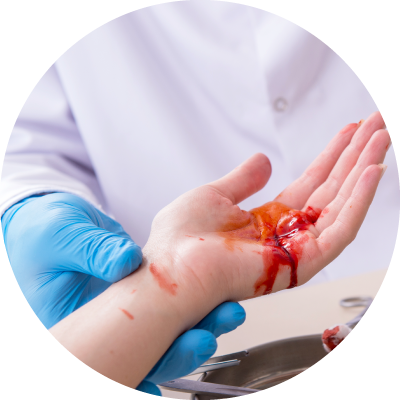
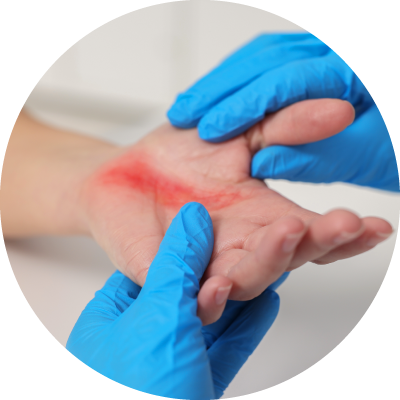
A traumatic wound is a wound caused by physical injury. This may happen after an accident, sharp cut, fall, impact, scrape, or puncture.
Traumatic wounds may include:
Depending on the depth, location, and surrounding tissue condition, some wounds may need more than simple first aid or routine dressing.
Why Proper Management Matters
Traumatic wounds should not be ignored, especially when they are deep or painful wounds, contaminated wounds, or healing more slowly than expected, as these may require proper medical evaluation and wound care.
If not managed appropriately, they may:
Early and appropriate wound care plays a key role in supporting healing and reducing complications.
How We Manage Traumatic Wounds
At Evercare Medical Care Centre, we focus on structured wound care that supports proper healing after injury.
Make Your Appointment Now
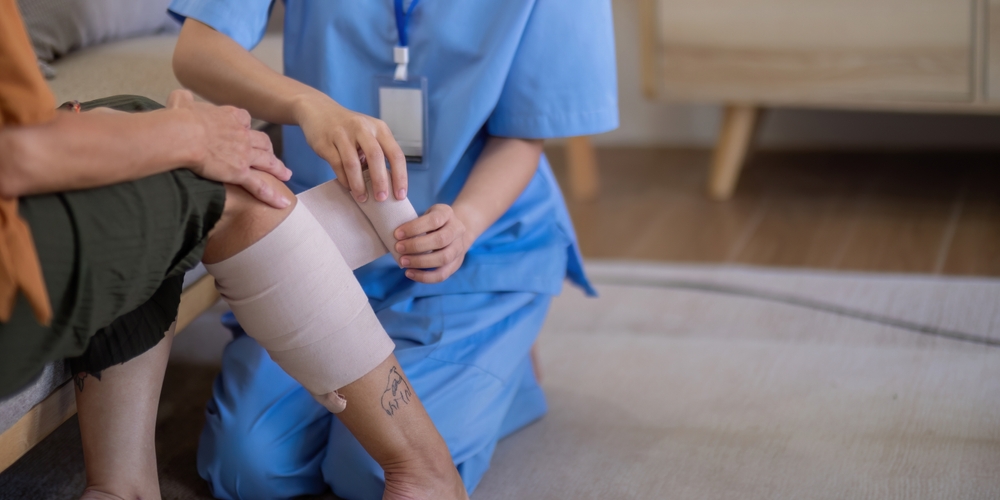
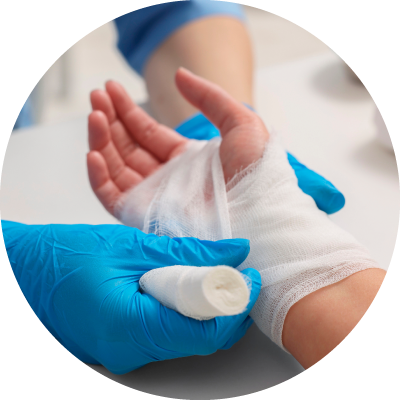
Traumatic Wound Care and Routine Dressing
Some injury-related wounds heal well with simple care and routine dressing. Others may require a more structured wound care approach in proper setup depending on the type of injury, tissue condition, and healing progress.
In these situations, doctor-led assessment and closer monitoring can help guide more appropriate wound care.
Why Patients Seek Care at Evercare
Some injury-related wounds heal well with simple care and routine dressing. Others may require a more structured wound care approach depending on the type of injury, tissue condition, and healing progress.
In these situations, doctor-led assessment and closer monitoring can help guide more appropriate wound care.
We focus on supporting proper healing through assessment, clinical judgment, and continuity of care.
Our team can help you explore suitable care for an injury-related wound.
Clinical Leadership and Professional Sharing
Our wound care services are led by Dr Sreedharan Muniandy. Alongside clinical practice, he has also been involved in teaching, case-based sharing, and professional learning sessions in wound management. Our centre has also welcomed educational visits from doctors and healthcare organisations interested in observing structured wound care approaches.
This ongoing involvement in clinical education and professional exchange reflects our commitment to maintaining a thoughtful, structured, and patient-centred approach to wound care.
When Should You Seek Treatment?
You should seek medical care if:
The wound is deep or painful
There is repeated dressing without improvement
The wound remains open or slow to heal
The surrounding skin becomes more concerning over time
The injury involved a puncture, tear, or significant scrape
Early assessment can help guide more appropriate wound care and support better healing.
A More Comfortable and Structured Wound Care Experience
At Evercare, wound care is provided in a setting designed to support comfort, continuity, and closer medical review. We aim to provide structured care beyond routine dressing alone, while maintaining a more accessible and personalised experience.
Frequently Asked Questions
Book an Assessment
If you are looking for traumatic wound treatment in Penang, our team is available to provide assessment, structured wound care, and ongoing follow-up for diabetic foot wounds.