
Case Insight: Diabetic Foot Ulcer in the Setting of Renal Impairment
Understanding structured wound care in a complex diabetic foot condition
We would like to share a clinical case (published with patient consent) involving one of our patients, a 57-year-old individual who presented with a longstanding left foot ulcer in the setting of diabetes mellitus and renal impairment.
Diabetic foot ulcers can be difficult to manage, particularly when healing is affected by underlying systemic conditions. In patients with diabetes and renal impairment, wound healing may be slower and the risk of complications may be higher, making early assessment and close follow-up especially important.
Understanding the Condition
Diabetic foot ulcers may develop gradually and can persist for prolonged periods when underlying factors such as reduced circulation, neuropathy, pressure, and impaired healing are present.
When renal impairment coexists with diabetes, overall recovery may be further affected by the patient’s general health status and reduced healing capacity. As a result, wound management often requires a structured and coordinated approach.

Treatment Approach
Management of diabetic foot ulcers in the setting of renal impairment involves a structured care plan under clinical supervision.
This typically includes:
- Appropriate wound cleansing and dressing
- Pressure offloading from the affected area
- Monitoring for signs of infection and wound progression
- Regular follow-up to assess healing response
In this case, wound care was carried out with close monitoring throughout the treatment period, allowing progressive assessment of the wound condition and ongoing adjustment of care as needed.
While the underlying causes differ, similar principles of structured wound care and ongoing monitoring apply across conditions, as seen in this chronic venous ulcer case, where targeted management supports healing.

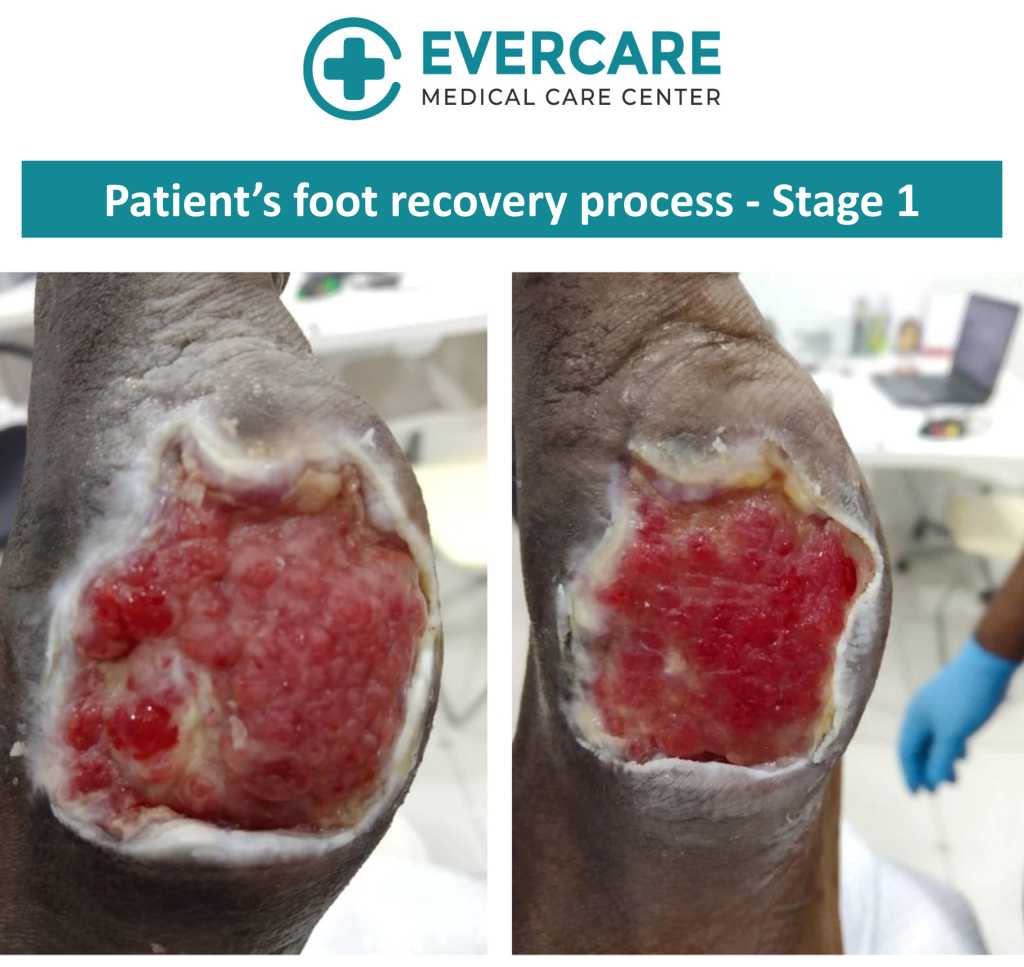
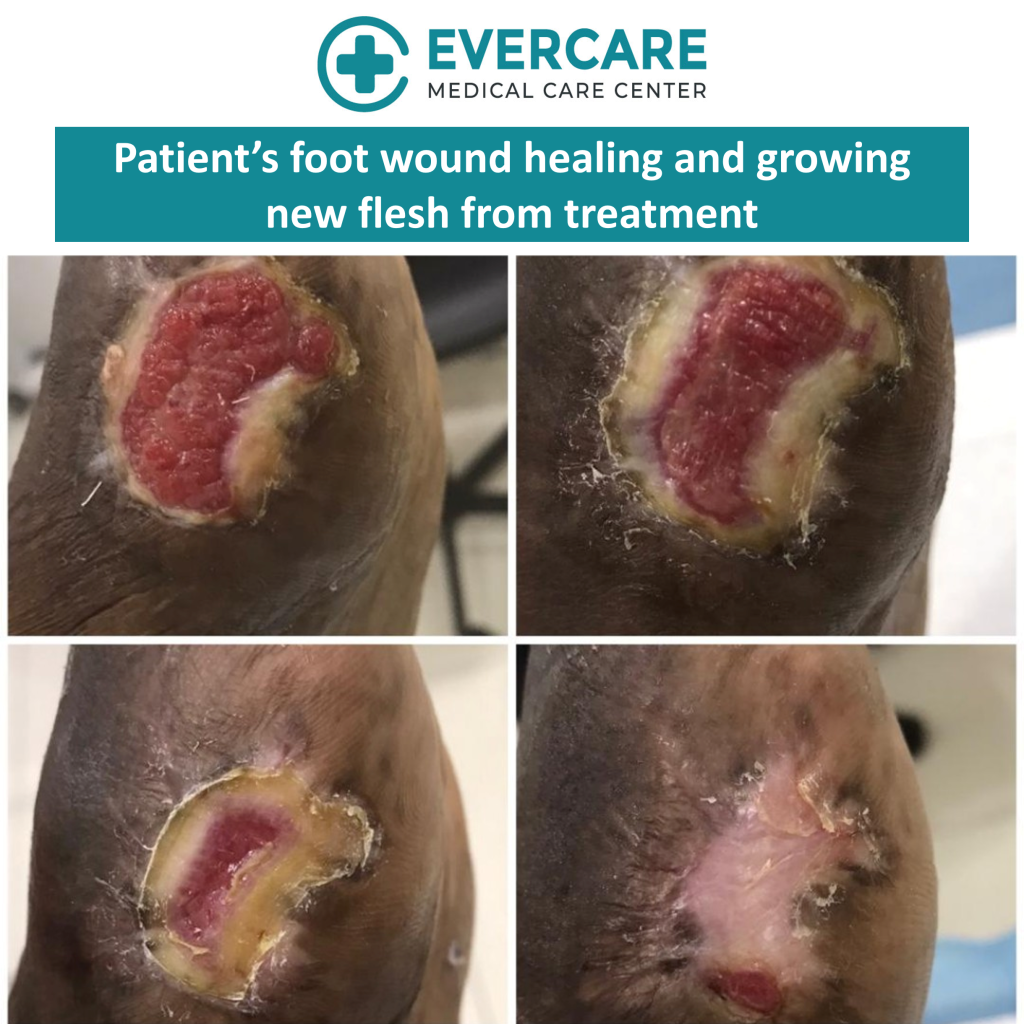
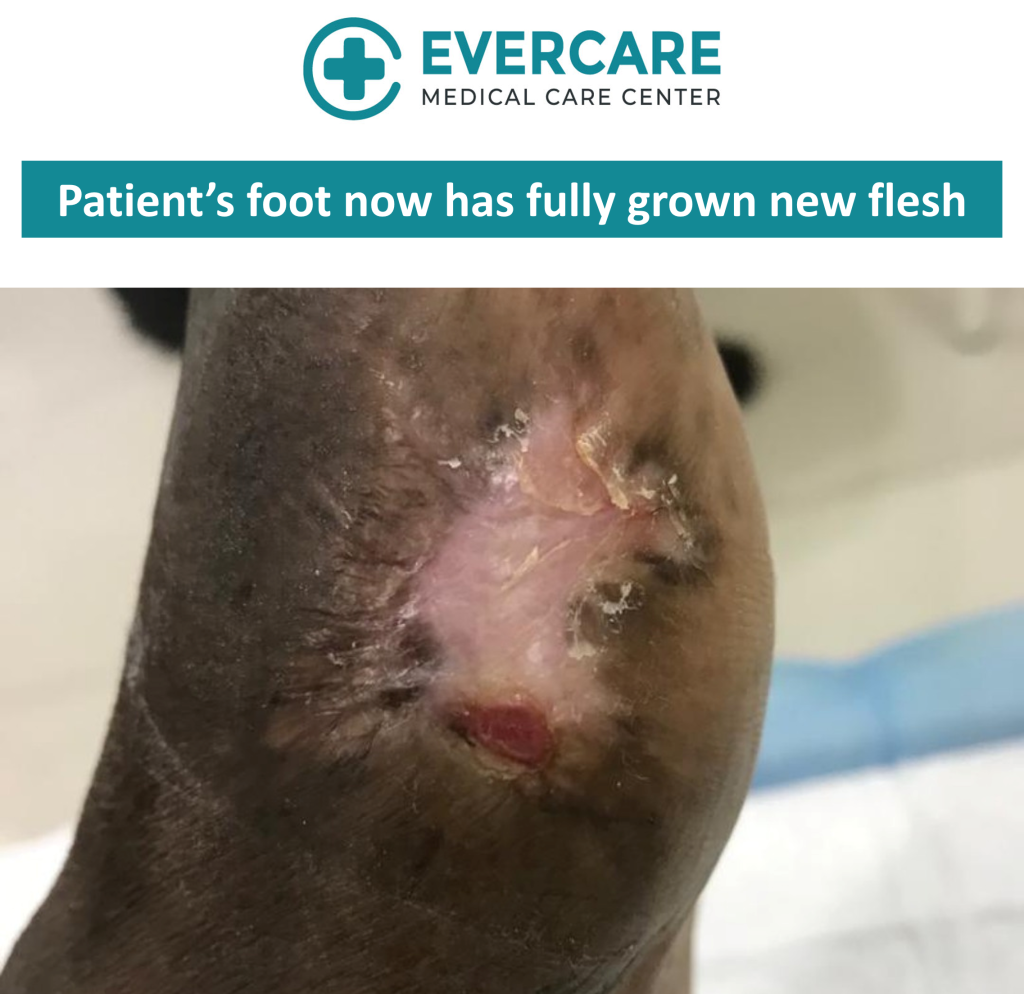
Healing Progress
With consistent care and adherence to treatment recommendations, gradual improvement in the wound condition was observed over time.
Reduction in wound size and progressive tissue recovery were seen during the course of treatment, leading to wound closure. Healing timelines may vary depending on wound severity, underlying health conditions, and the patient’s overall response to care.
Clinical Progression
The images presented illustrate the progression of wound healing over time under structured care and regular monitoring.
Images are shared with patient consent for educational purposes.
Key Insights
Diabetic foot ulcers in patients with renal impairment require early recognition and a structured treatment approach. Delayed care may increase the risk of prolonged healing and further complications.
Consistent wound care, effective pressure offloading, regular monitoring, and attention to underlying health conditions play a key role in supporting healing and reducing complications in diabetic foot ulcers complicated by renal impairment.
– Dr Sreedharan Muniandy
Advanced Wound Care Centre
Evercare Medical Care Centre, Penang, Malaysia.
Disclaimer
This content is shared for educational purposes. Individual outcomes may vary depending on overall health, wound condition, and adherence to treatment recommendations.